



It’s crunch time to finish your gift list before the holidays hit — and it may not come as a surprise that cybercriminals are leveraging AI to scam you while you’re scrambling to find the best deals.
“We used to tell people to look for misspellings and awkward English in things like phishing emails and fake advertisements,” Lisa Plaggemier, executive director of the National Cybersecurity Alliance, said. “You can’t use that as an indicator anymore.”

Scammers are getting smarter with AI, according to the National Cybersecurity Alliance. This holiday season is a prime opportunity to outsmart both the bad actors and their technology — and that starts with your passwords.
“They don't have to know where you have accounts; they're just going to take credentials that have been stolen in one breach, and they're going to use technology to spray those across the internet and see what it gets them into,” Plaggemier said.

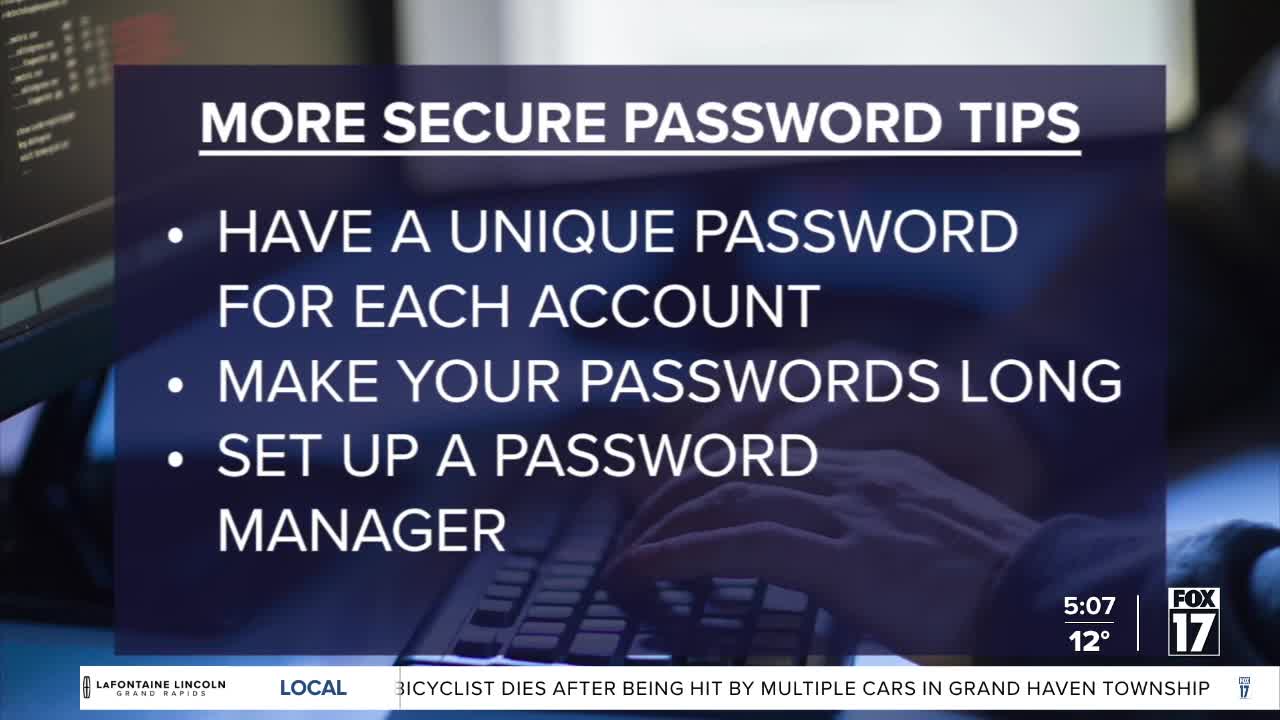
With access to just one password, scammers can run away with your personal information and money. The National Cybersecurity Alliance offers three tips to make your passwords more secure:

• Use a unique password for each account:
Reusing the same password across accounts is a common habit, but if scammers gain access to one, they can often get into many more.
• Make your passwords long:
Aim for at least 16 characters. According to the alliance, an eight-character password can be guessed by hacking software or AI in minutes. A 16-character password takes exponentially longer.
• Set up a password manager:
The average person manages more than 160 accounts. A password manager helps you maintain strong, unique passwords without having to remember them all.
How often should you change your password?
The National Cybersecurity Alliance says if you follow the above guidelines, frequent password changes aren’t necessary. In fact, changing passwords too often can lead to weaker habits, such as reusing old passwords.
