




KENT COUNTY, Mich. — Colorectal cancer is the third most common cancer in men and women and the second leading cause of cancer deaths in the U.S., with cases now rising among younger adults.
In 2026, the American Cancer Society estimates more than 150,000 people will be diagnosed with colorectal cancer. It is now a leading cause of cancer deaths in adults under 50, prompting screening guidelines to be lowered to age 45 for average-risk adults in 2018.
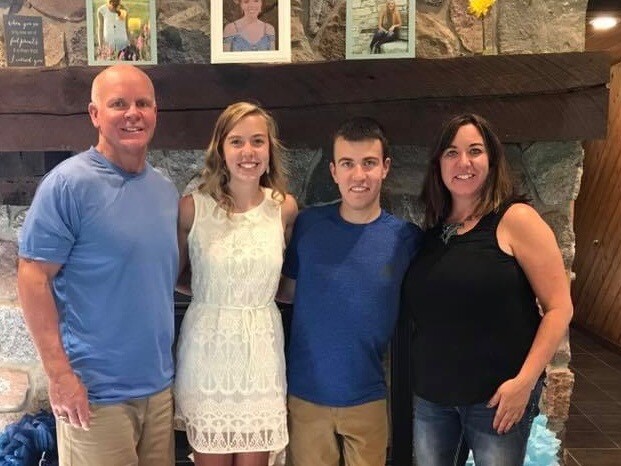
Dan Bolhuis went in for his first colonoscopy at 51 years old on June 14, 2017, the day after his wedding anniversary.
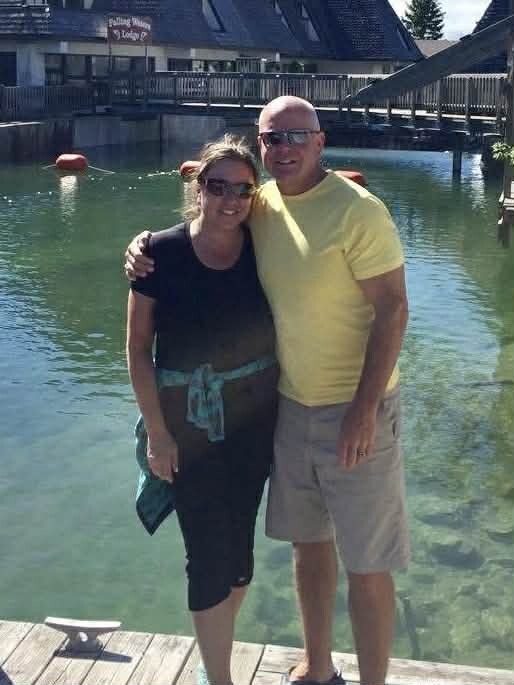
"The doctor who was performing the procedure didn't like what she saw," Bolhuis said. "You know, your head just spins, you know, all the what ifs."
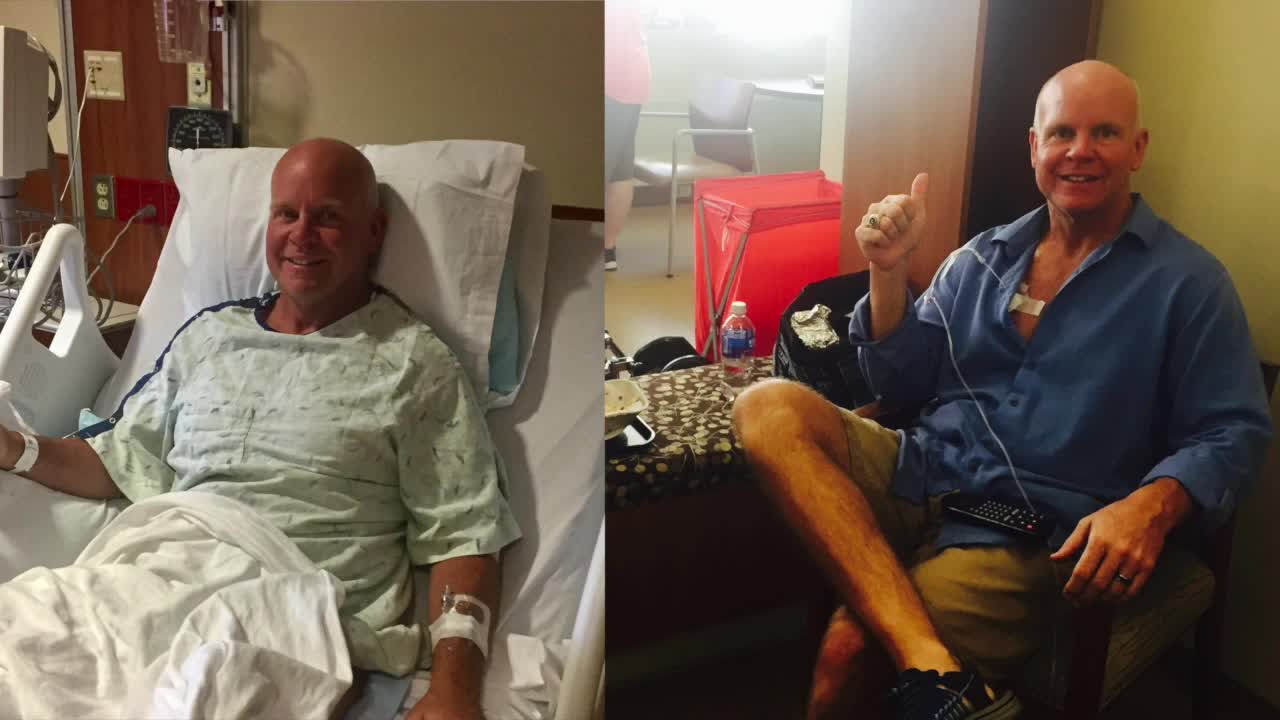
Bolhuis was diagnosed with stage three colon cancer. He underwent surgery followed by months of chemotherapy and is now cancer-free.
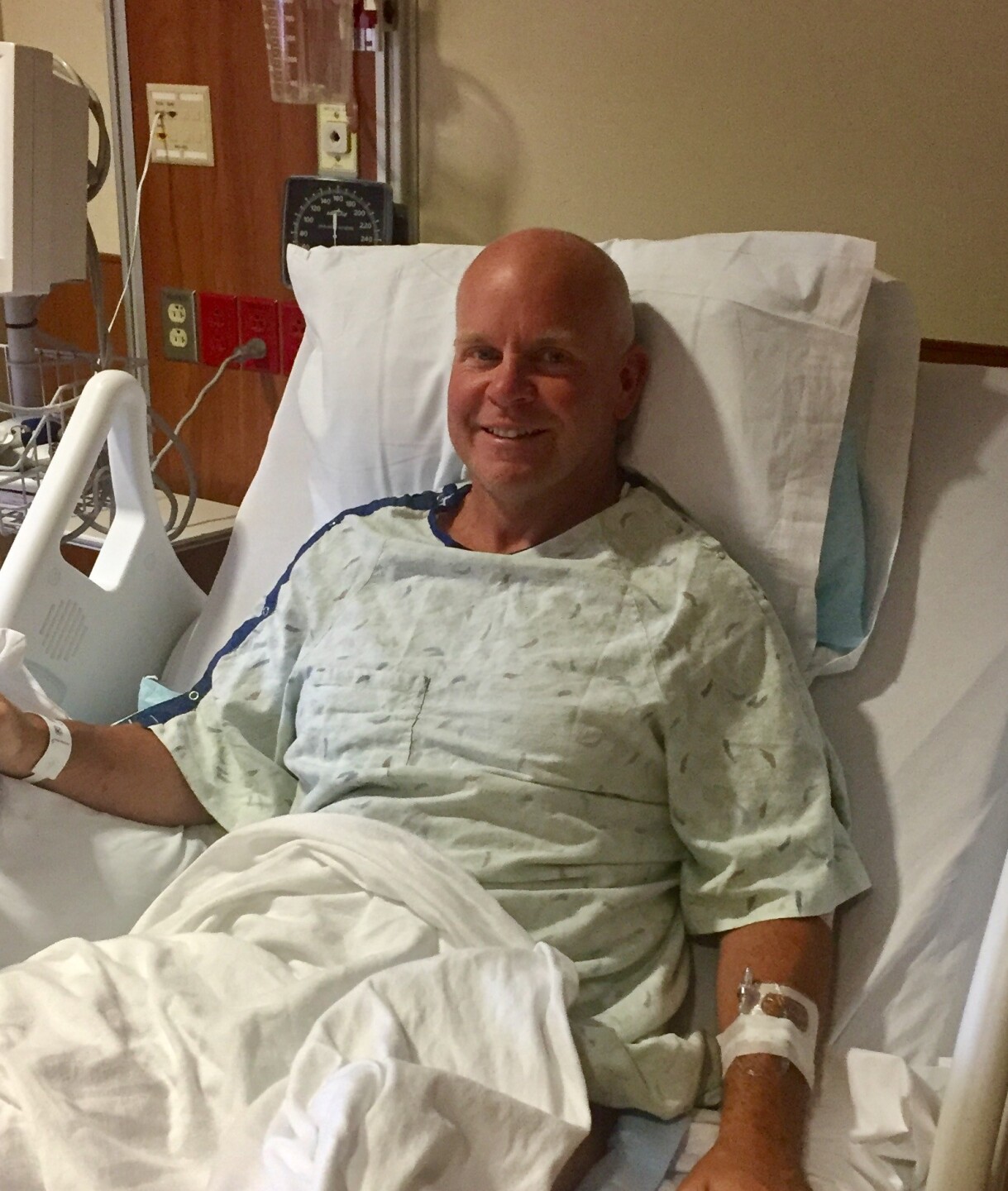
His diagnosis prompted his brother to get checked two months later, leading doctors to find pre-cancerous cells.

"His doctor said, if you had waited five years until you were 50, we'd be having a completely different conversation," Bolhuis said. "He said, 'You know, you saved my life. You getting cancer saved my life.'"

Dr. Curtis Weaver with Trinity Health said a colonoscopy is still the gold standard for screening, especially for people with a family history or previous polyps.
"It's very, very preventable and treatable if it's caught early, and that's what really makes screening so important," Weaver said.
Weaver noted there are other screening options available.
"There are other methods, including stool tests, a standard fit test, and then the more recent cologuard test. There's also a CT colonography, or virtual colonoscopy, some people call it," Weaver said.
Weaver said there are lifestyle changes that can lessen the risk of colorectal cancer.
"Avoiding smoking, keeping alcohol consumption in moderation, obesity is considered to be a risk factor, and then, then the other one that has been proven is red meats and a high amount of red meats and processed meats," Weaver said.
Bolhuis had a family history, losing his grandfather to colon cancer, but he did not experience any symptoms.
Warning signs to discuss with a doctor include bloating, constipation, blood in stools, changes in stools that persist for weeks, and unexplained weight loss.
Bolhuis is grateful for his support system and that he got checked when he did.
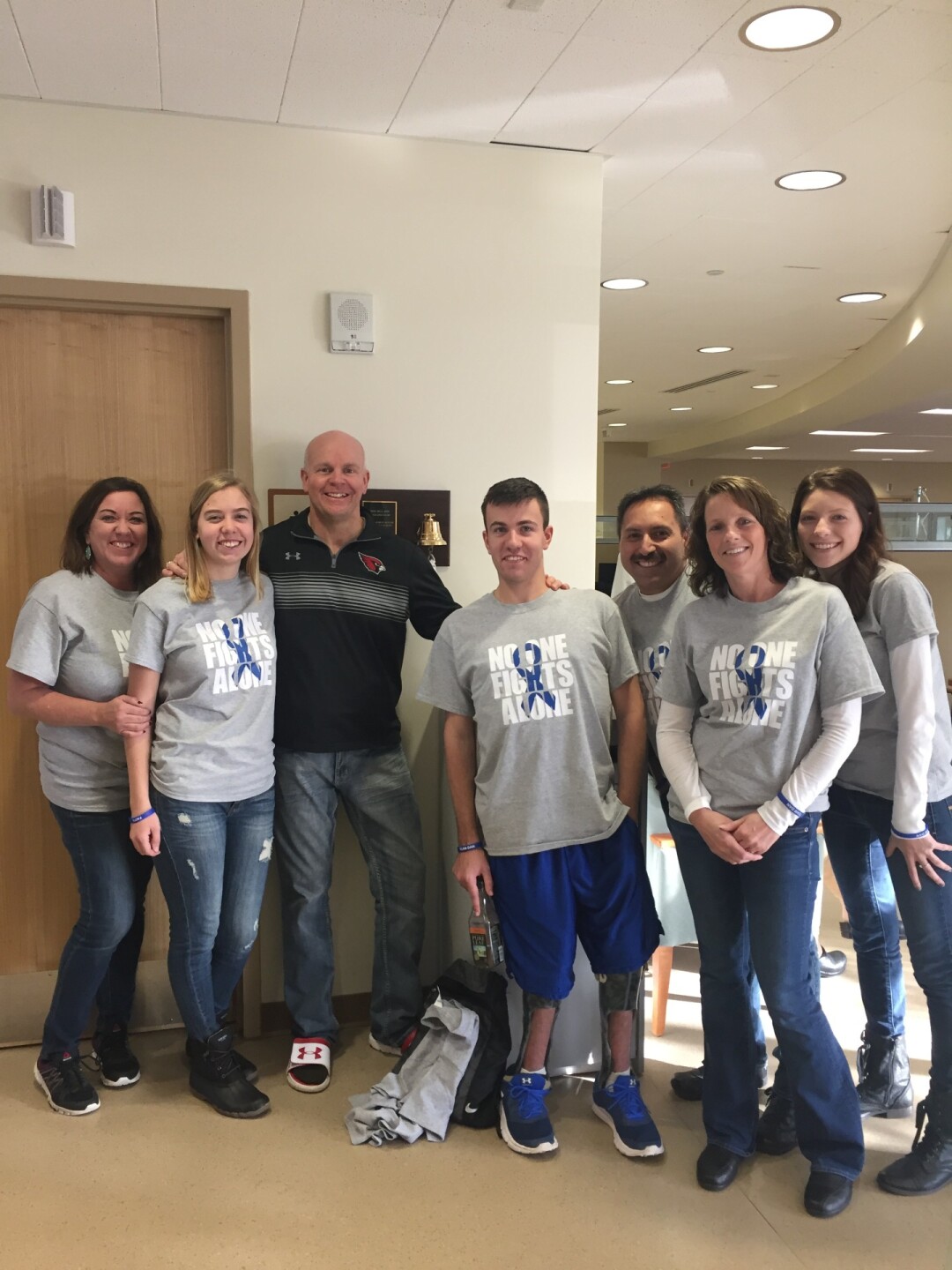
"I have my faith. I believe God has a purpose for my life," Bolhuis said.
"Sure getting a colonoscopy isn't a really fun procedure, but when you look at the alternative, you absolutely have to do it," he said.
March is Colorectal Cancer Awareness Month.
Dr. Diana Bitner with True Women's Health will discuss why cases are rising in young adults during her weekly segment Wednesday on FOX 17 Morning News.
If diagnosed, there are several personalized treatment options available.
This information was provided by Trinity Health:
The first is immunotherapy. Essentially, this treatment stimulates the patient’s own immune system to attack cancer cells. When immunotherapy is used with chemotherapy after surgery, the chance that the cancer will return is significantly decreased. Rather than simply extending life, in this setting we can increase the chance of cure.
A second personalized option targets specific gene mutations or enzymes to slow or stop the growth of cancer cells by interrupting the cancer cell signaling pathway. These mutations contribute to cancer growth and spread and we can now use specific drug combinations to slow the growth rate of some cancer cells.
A third approach involves adjusting the dosage of chemotherapy to increase tolerance. Approximately 3-8% of the population has a gene mutation that affects their ability to metabolize, or break down, commonly used chemotherapy drugs. If we know that in advance, we can adjust the dosage so they tolerate it better. This allows them to complete the course of treatment that’s needed to fight the cancer.
This story was reported on-air by a journalist and has been converted to this platform with the assistance of AI. Our editorial team verifies all reporting on all platforms for fairness and accuracy.
Read more stories from the FOX 17 Morning News team
Do you have an idea for the Morning News team or maybe an idea for a guest segment or something for the gang to come out and try? Send them an email at mornings@fox17online.com or call 616-447-5252 and leave a message.
Follow FOX 17: Facebook - X (formerly Twitter) - Instagram - YouTube
