




BYRON CENTER, Mich. — Rising fuel costs are creating challenges for Parkside Farm in Byron Center, prompting the owner to find creative ways to maintain operations and serve the community.
Nicole Zaagman started the agro-tourism farm in 2023 to share her love of agriculture with future generations, having grown up with farming in her roots.
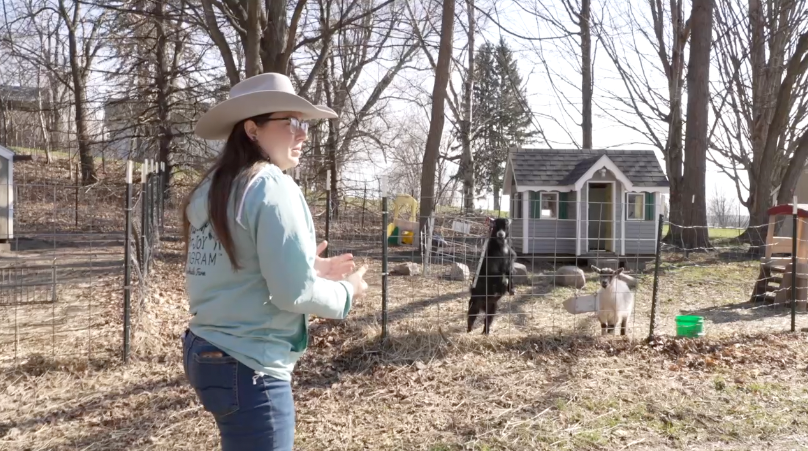
"I grew up in Clarksville, Michigan on a small hobby farm. I raised chickens, goats. We had rabbits. I showed horses," Zaagman said. "I was a big 4-H kid, and that was a cornerstone from my childhood."
The main attraction is the pygmy goats, which Zaagman has 13 of, as well as chickens, rabbits, and barn kittens.

The farm also features many farm-fresh products like maple and walnut syrup, cut flowers, pumpkins, honey and corn.
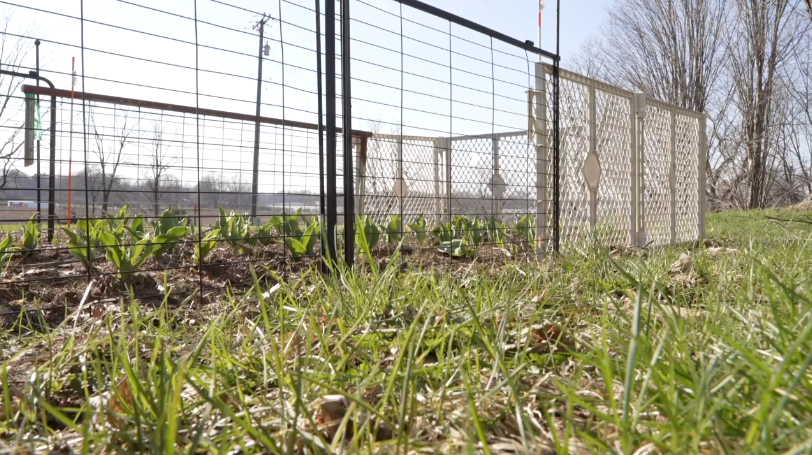
"We just finished up our maple and walnut sap season, where we produce maple and walnut syrup in the summer. We've got cut flowers, pumpkins, produce growing. We have honey bee hives that help to pollinate everything, and we collect the honey on the hives as well," Zaagman said.
Parkside Farm also offers educational opportunities, including classes and field trips.
Zaagman said, "They're learning about how you plant seeds, or in the fall, you can harvest seeds and continue to grow and plant things from those."
WATCH: Byron Center agro-tourism farm adapts to combat rising fuel costs.
However, maintaining the farm is becoming more difficult due to the rising cost of fuel.
"We can see the dollar signs going up at the gas pumps, right?" Zaagman said."We do have larger vehicles here that do take a lot of gasoline, and our equipment here will be impacted by that."
The financial strain has Zaagman focused on spending and operational efficiency.
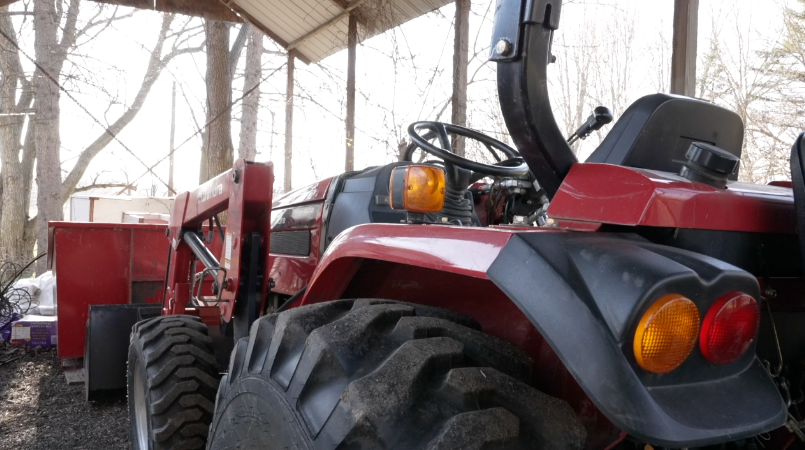
"Consolidate how to save on gasoline. We've got a lot of maintenance here with the lawn," Zaagman said."Thinking about how often we're using that diesel tractor and what we're using it for. Just being very intentional moving forward."
The cost crunch is also leading to new revenue strategies, such as a farm-to-table model.
"The more we can bring people onto the farm to get them to experience what we do here, the better chance that we can sell farm products and other opportunities here at the farm," Zaagman said.
Zaagman says crops will be in full bloom by June, in time to continue on her programs for the next generations to learn from.
This story was reported on-air by a journalist and has been converted to this platform with the assistance of AI. Our editorial team verifies all reporting on all platforms for fairness and accuracy.
