

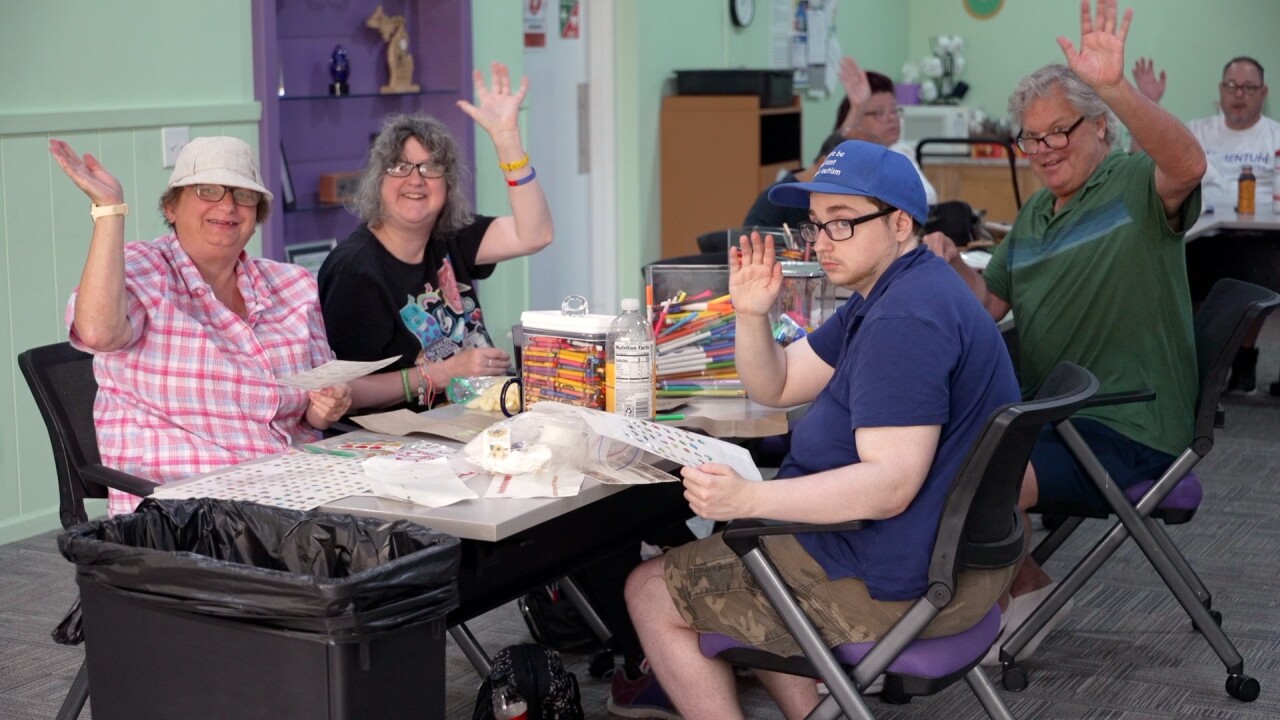


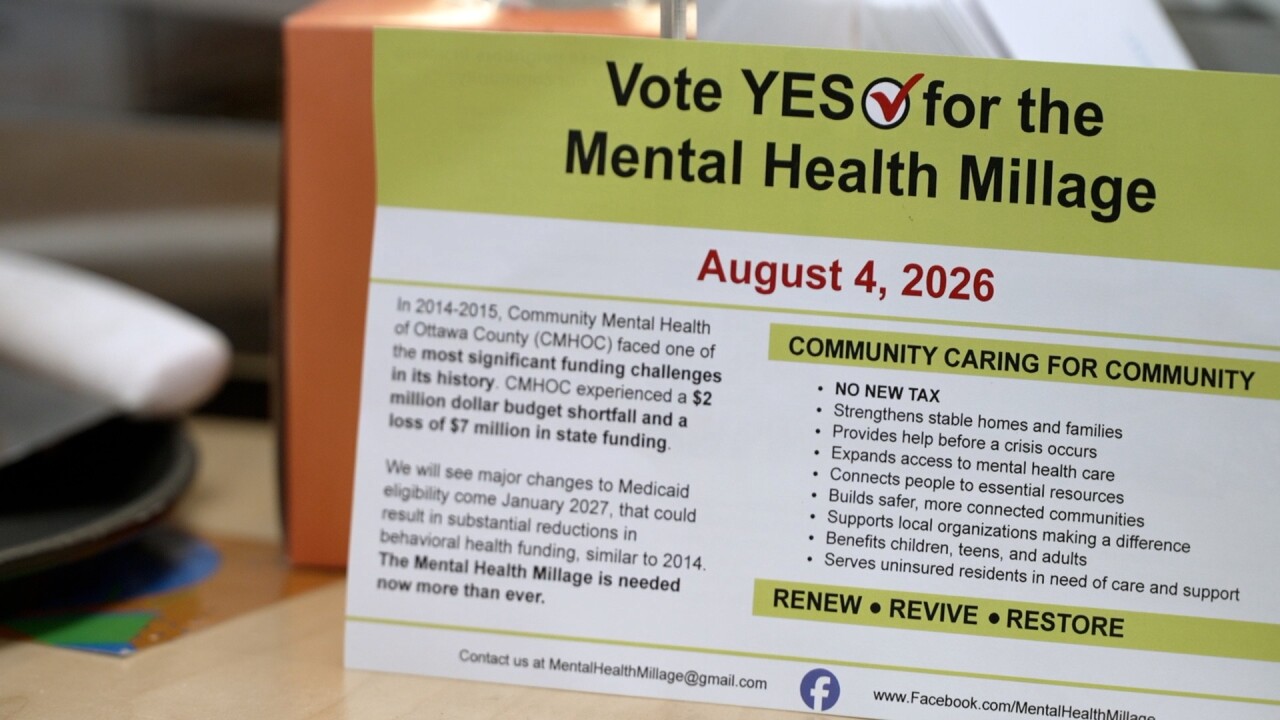
GRAND HAVEN, Mich. — Ottawa County voters will decide Aug. 4 whether to renew a mental health millage that supporters say is critical to sustaining programs for neighbors facing mental illness, addiction and disabilities.
WATCH: Ottawa County mental health millage renewal could shape future of programs like Momentum Center
The proposed renewal would extend the county’s 0.30 mill mental health levy for another 10 years. If approved, the measure is expected to generate about $5.6 million in its first year and would cost the average homeowner roughly $60 annually.
Funding from the millage makes up about 30% of the budget for the Momentum Center, a nonprofit organization with locations in Grand Haven and Holland that offers social and recreational programming, resources, support groups and community events.
“Momentum Center has been life changing,” member Bri Bertrang said. “It’s given me a place to be when I’ve been figuring out hard things. It’s given me a place to celebrate with people.”
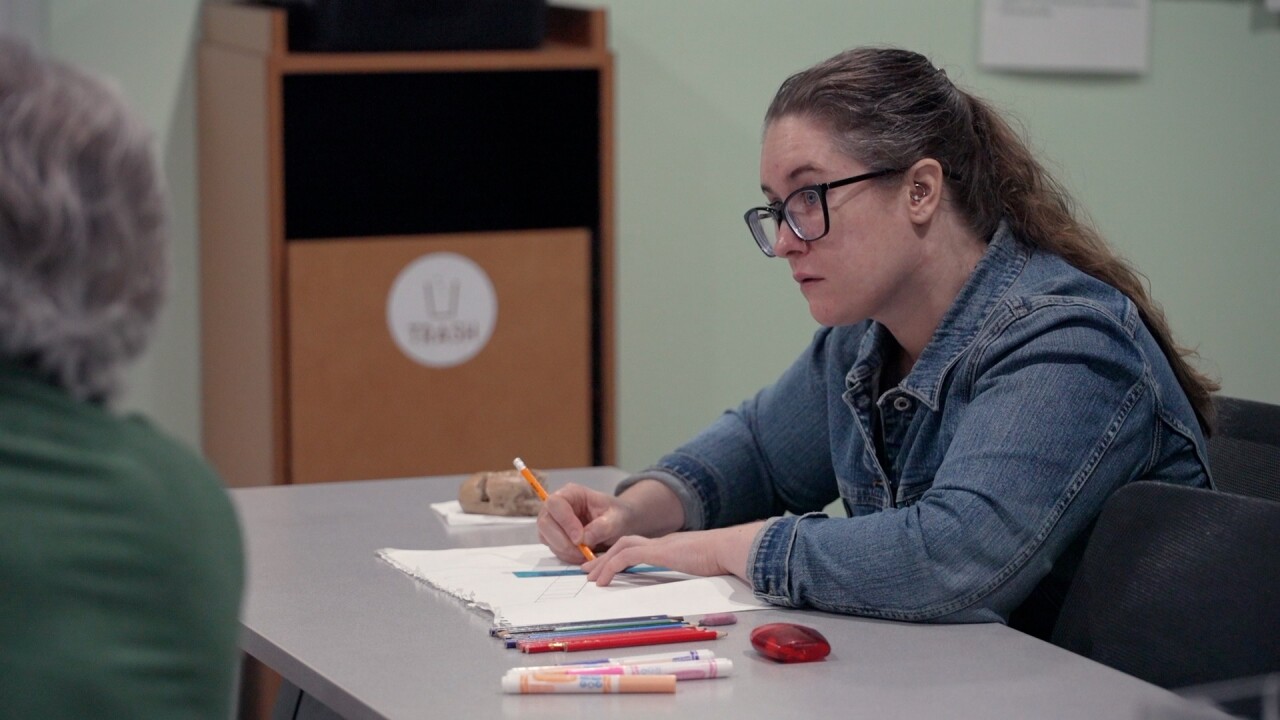
Bertrang, who first became involved with the nonprofit as a volunteer and now teaches weekly chair yoga classes there, said the organization has helped her navigate personal mental health challenges.
“Momentum Center definitely helps me stay sturdy in my recovery,” she said. “There’s groups such as the Smart Recovery Group that helps with a lot of different things.”
Founder and lead “experimenter” Barbara Lee said the nonprofit was launched after Ottawa County voters approved the mental health millage a decade ago.
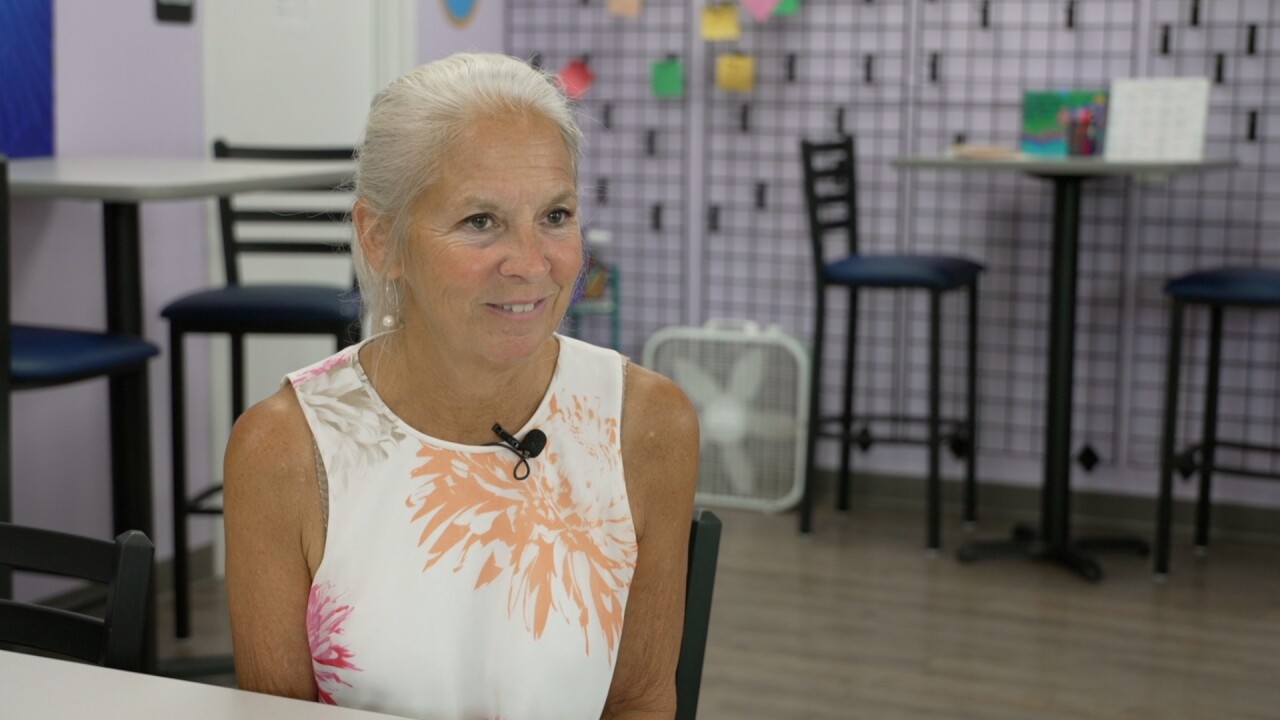
“When we first started, 100% of our budget was from the millage,” Lee said. “It’s critical for us because, as I said, it’s about 30% of our budget right now, and for every dollar we receive from that millage, we create a $4 return on investment.”
She said the organization works to make every person visible and connected in two key ways.
"We operate a social rec program for people with mental illness, addictions, and disabilities. Costs $1 a year to be a member, and no formal diagnosis or referral is required," Lee said.
The center offers classes such as art, cooking and crafts, along with recovery groups, free dinner-and-movie nights, weekly local outings and larger monthly trips to destinations including Meijer Gardens, sporting events and the zoo.
The second approach focuses on broader public engagement through community conversations and cultural immersion events.
“We address the social determinants of mental health,” she said. “We believe if we’re not addressing the systemic issues, then we’re not dealing with whole human beings.”
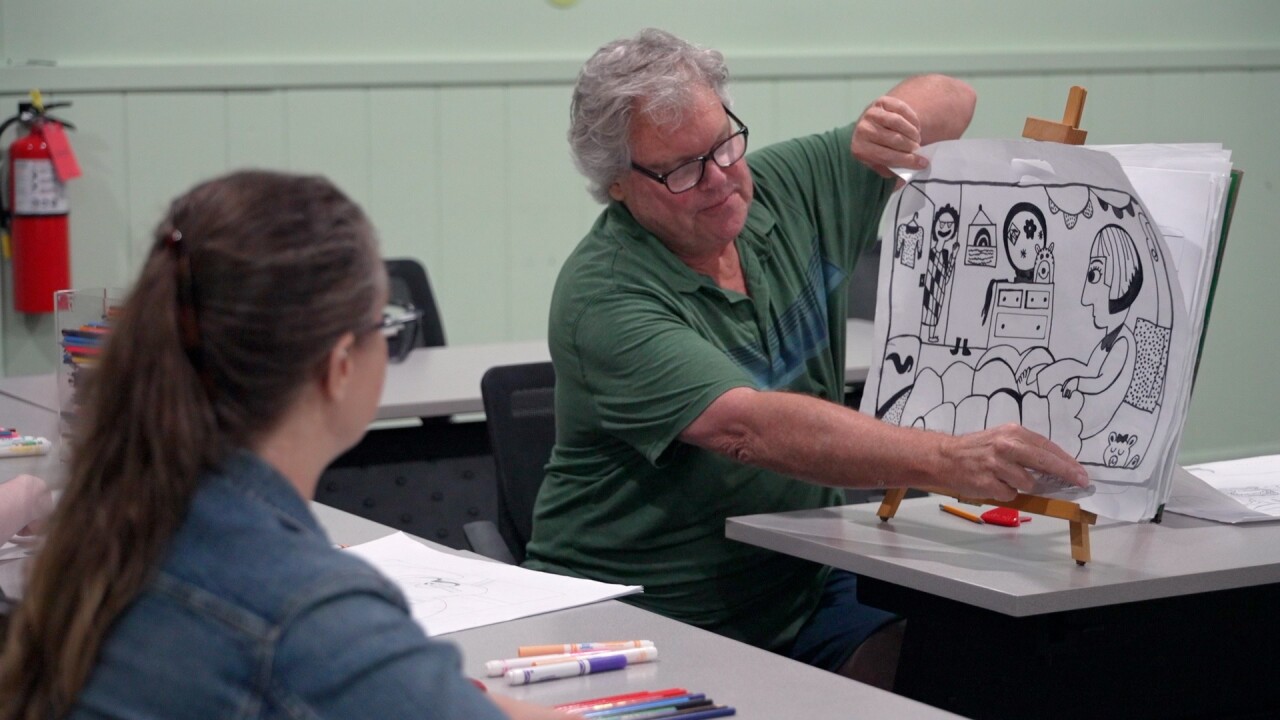
She added that the impact reaches beyond the center.
“It’s not just the members we serve, but their family, their friends, the entire community,” Lee said. “As we normalize the conversation and reduce stigma, we do that also through our community conversations.”
Lee said the funding sustains a broader countywide network of mental health programs and services.
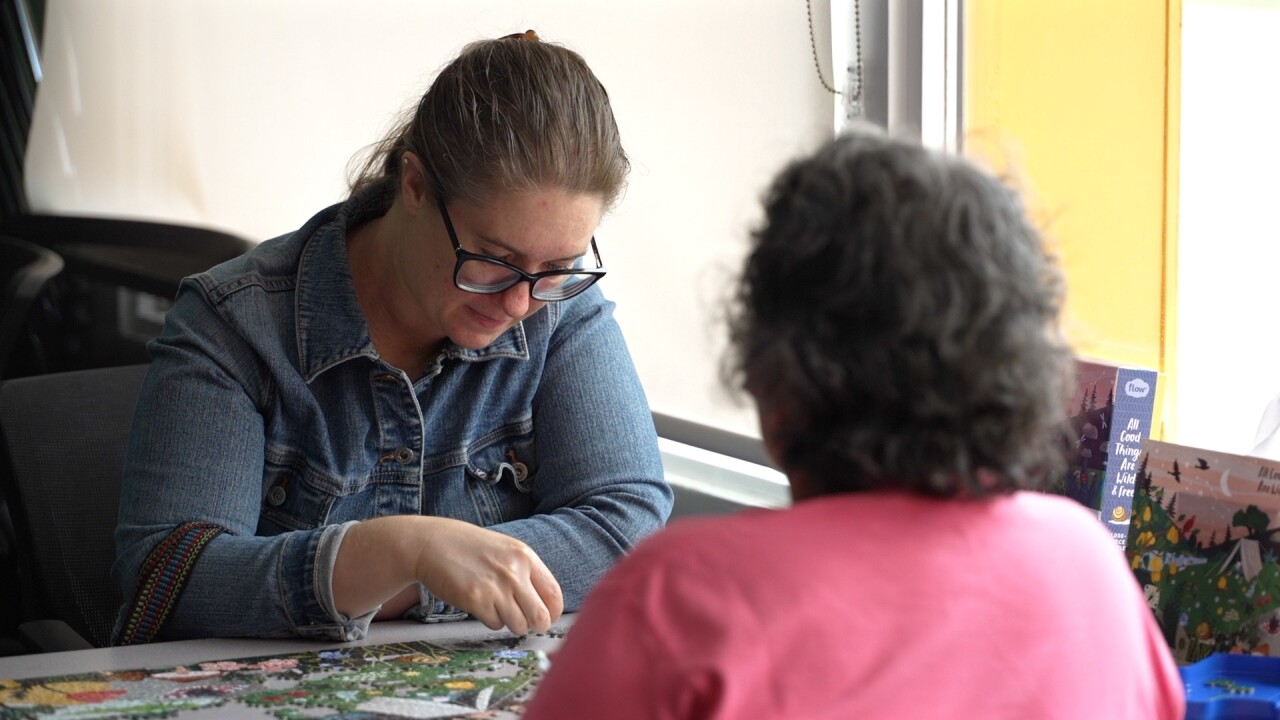
“There are so many programs that are dependent on millage money. It’s what has allowed us to create the safety net of individuals and programs and relationships," Lee said.
For Bertrang, the center represents a place where people can feel accepted without judgment.
“I think everywhere needs a community where you can just sit and be okay,” she said. “Where you can cry and be okay, where you can laugh and be okay, but where you can just be.”
This story was reported on-air by a journalist and has been converted to this platform with the assistance of AI. Our editorial team verifies all reporting on all platforms for fairness and accuracy.
