



DETROIT (WXYZ) — As cyclosporiasis cases continue to grow, many consumers are apprehensive about buying and eating produce.
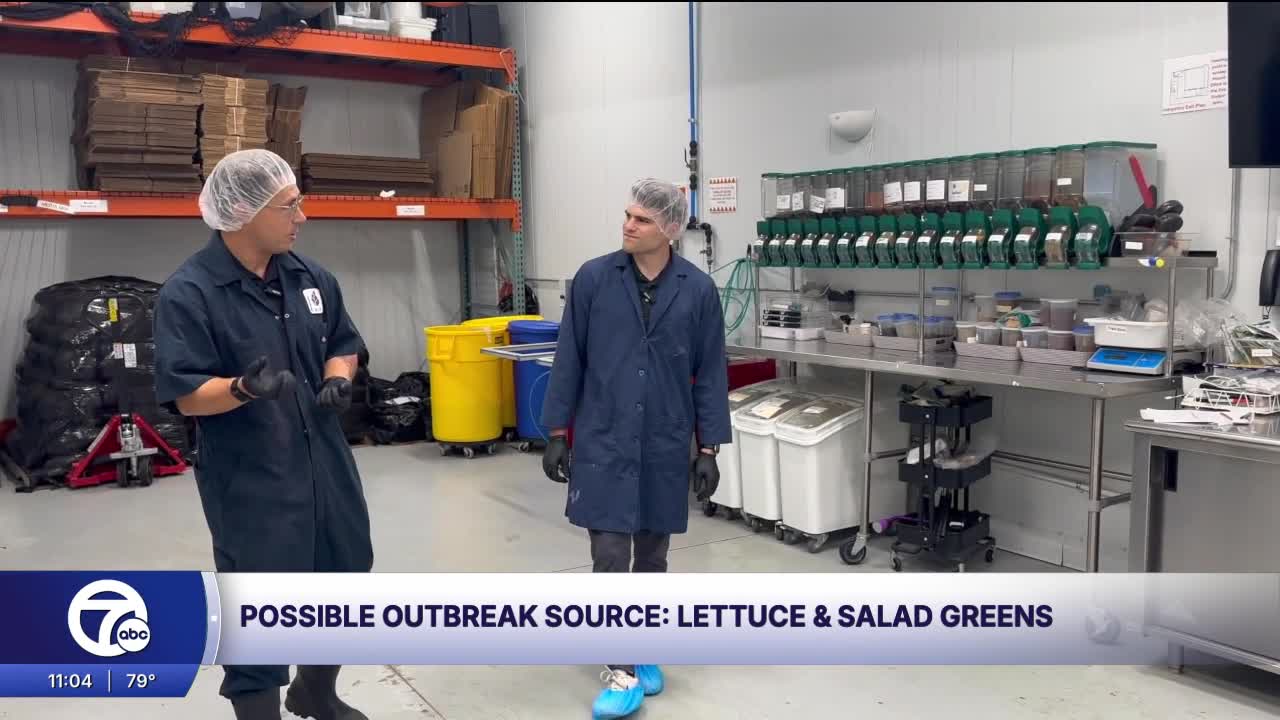
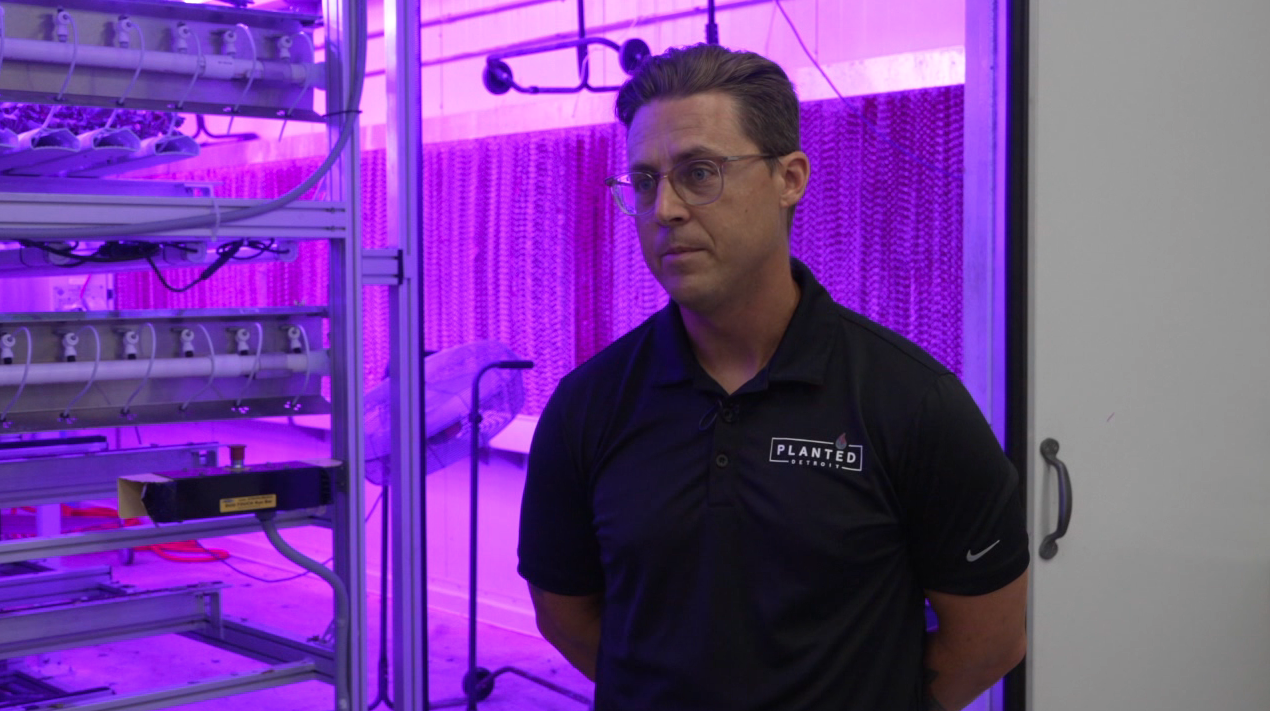
Planted Detroit, an indoor vertical farm on the east side of Detroit, grows fresh produce 365 days a year — from kale to broccoli to bok choy. The company grows ingredients for salad kits and sells produce at stores like Plum Market and Meijer. It is an industry now feeling the impact of a cyclosporiasis outbreak.
Watch Brett Kast's video report below:
Watch Ryan Marshall's video report below
"Cyclosporiasis is a little bit trickier because it's not something we normally test for," Dorian Ahler, chief operating officer of Planted Detroit, said.
With consumers apprehensive about fresh produce, Ahler says the company is doubling down on already existing safety standards. Before entering the indoor farm, visitors put on shoe covers, sanitize their feet and hands, and wear hair nets — measures the company always takes and wants customers to know about.
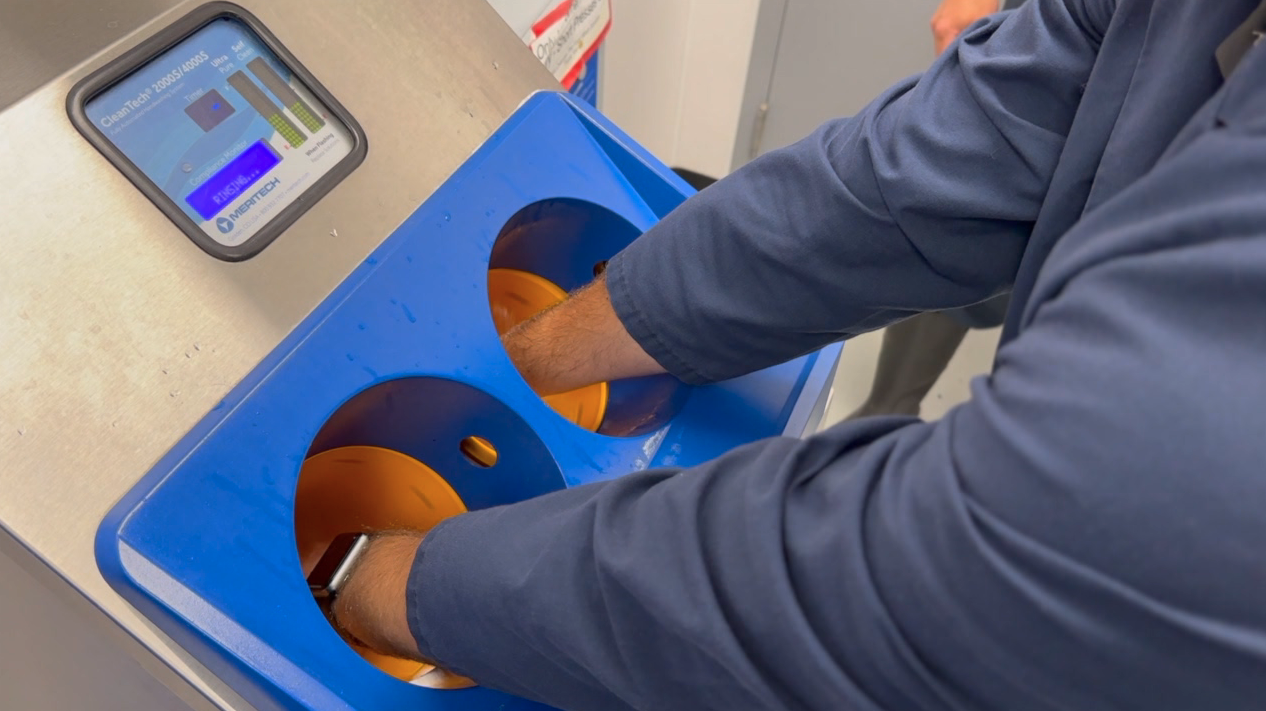
"Our risk isn't zero because we still get city water, however a lot of the standards we maintain and practices we have operating this farm, those risks are dramatically mitigated," Ahler said. “While we get our water from the City main like everyone else does for drinking water, it does go through an extra filtration process.”
As investigaiton into the source continues, the Great Lakes Water Authority issued a statement saying their water remains safe.
"There is no current evidence indicating that the drinking water supplied by the Great Lakes Water Authority (GLWA) is the source or contributes to the outbreak," the company said in a statement. "GLWA's multi-layered water treatment process is specifically designed to remove this type of contaminant from the drinking water it provides to its member communities."
The Michigan Department of Health and Human Services, has identified lettuce and salad greens as the potential culprit, but they have not ruled out other sources and the exact product or products remain unknown. Instead of buying bagged salads, officials suggest buying whole heads of lettuce, discarding the outer leaves and thoroughly washing the remaining greens. Cooking greens when possible offers the best protection against the parasite.
"If it's an item you can peel, peel it. If it's an item you can cook, cook it," said Dr. Natasha Bagdasarian, the state's chief medical executive.
Watch our full interview with Dr. Natasha Bagdasarian below:
Bagdasarian says the usual number of cases in Michigan is 40 to 50 per year. With a current count of over 2,600 cases and growing quickly, the scale is unprecedented.
“This is the largest cyclosporiasis outbreak that we've seen here in Michigan, and based on the numbers here in Michigan alone, this may be the largest cyclosporiasis outbreak nationally as well.”
Dr. Bagdasarian cautions that the investigation takes time, as symptoms can take more than a week to appear and testing can be delayed.
"The cases that are being reported to us today are likely not folks exposed over the weekend — they are likely people who were exposed several weeks ago," Bagdasarian said.
Previous coverage: Early results point to lettuce or salad greens as potential source for cyclosporiasis outbreak
Dr. Ali Shuayto, owner of The Heights Urgent Care in Dearborn Heights, says he has seen an influx of patients with intestinal issues and is testing more patients for the parasite than ever before, but results can take anywhere from three to seven days.
"We start testing for it immediately, and we're getting a significant number of positives coming back," Shuayto said. “We're sending off that stool sample, the labs obviously are backed up now, so usually five to seven days. Sometimes, we get them back in three days. It just depends."
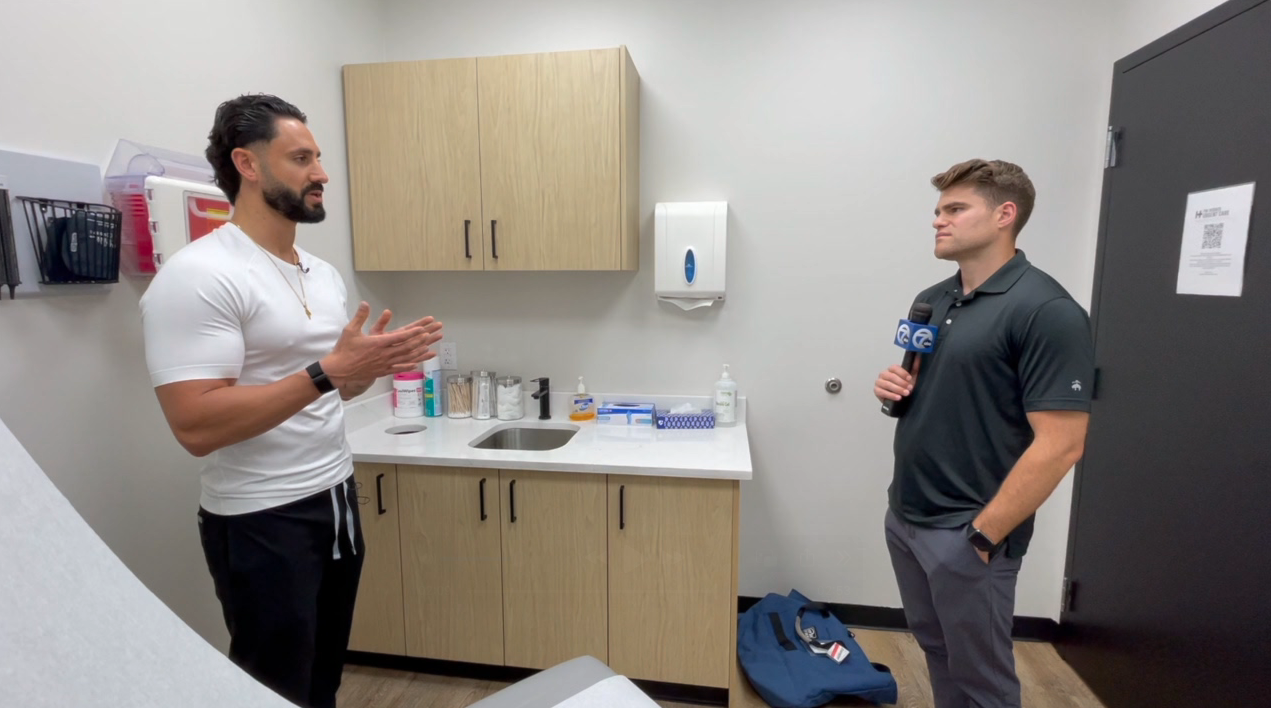
Until now, Shuayto says he had never tested a patient for the parasite. He also works as a doctor in a nearby emergency room, and says as word spreads, he is seeing more and more patients coming in looking for a test.
"They have one bout of diarrhea, so they're like 'oh man I got to get checked out, I definitely have this bug.' And it's definitely not a bad thing — go get checked out for sure — but there's still normal diarrhea out there as well. It's not always the parasite," Shuayto cautioned.
Shuayto estimates roughly 20% of those who come in for testing have a positive result. Once the results come back, treatment begins.
"What we do at our urgent care here is we offer IV hydration now to make sure those people that do seem dehydrated, we're able to give them that fluid,” Shuayto said. “A lot of these people we are treating are feeling relief after their course of the antibiotics.”
Previous coverage: Patient shares his cyclosporiasis experience
As health officials continue to investigate the exact product and source, produce consumers and providers are hoping for answers soon.
"The sooner we are able to trace it back to its origins, the better it's going to be for the entire produce industry," Ahler said.
—————
This story was reported on-air by a journalist and has been converted to this platform with the assistance of AI. Our editorial team verifies all reporting on all platforms for fairness and accuracy.
