

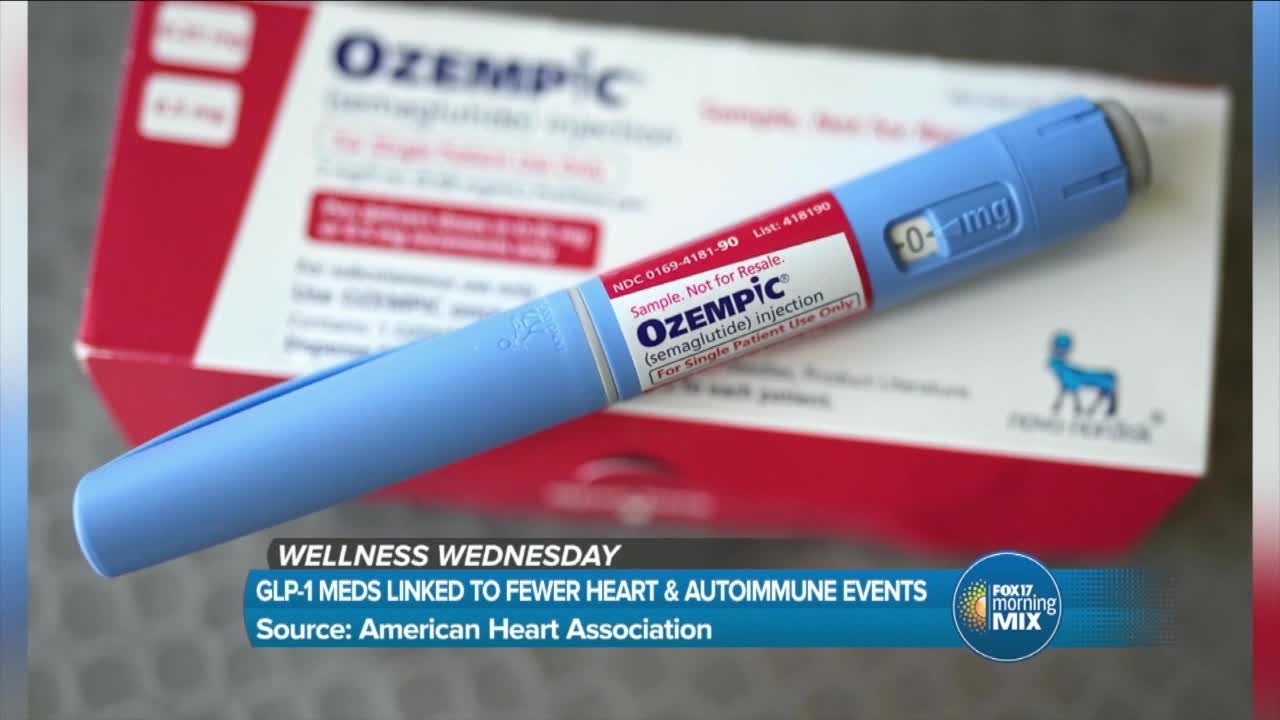


Additional impacts of taking GLP-1 medications
GLP-1 medications may be doing more than just helping people lose weight. A new study from the American Heart Association found that adults with both obesity and an autoimmune disease had better health outcomes when they were taking a GLP-1 medication.
Researchers looked at more than 26,000 people and found those taking GLP-1 drugs had fewer emergency room visits, fewer serious blood clots, and a lower risk of death compared to people who weren't taking the medications. The biggest number was a 44% lower risk of death during the study period.
Breakthrough treatment in pancreatic cancer announced via pill
Pancreatic cancer is one of the deadliest forms of cancer, often caught too late for effective treatment. Now, an experimental pill called Daraxonrasib is showing promise for patients with advanced disease.
The drug targets a mutation found in most pancreatic cancers. In a new study, patients taking the pill lived a media of 13 months, compared to about seven months for those receiving chemotherapy. The FDA is currently fast-tracking its review. Researchers say the drug could also help open the door to new treatments for other types of cancer.
Late night eating may impact gut health
Eating late at night may do more than disrupt your sleep - it could also affect your gut health. New research found that people who ate more than 25% of their daily calories after 9 P.M. while under stress were up to two-and-a-half times more likely to experience digestive issues.
Researchers also found that stressed late-night eaters had less diversity in their gut bacteria, which is linked to poorer overall gut health.
Experts say the combination of stress and late-night eating appears to be the problem, not late-night eating alone. They recommend finishing meals three to four hours before bed when possible, and if you need a late snack, keep it light and avoid heavy, greasy foods.
Follow the FOX 17 Morning Mix on: Facebook, Instagram, & TikTok
