



Disclaimer: This is sponsored content. All opinions and views are of the advertiser and do not reflect the same of Fox 17.
Did you know the average person manages more than 100 passwords?
How many do you have?
How many can you remember?
That's more than 100 chances to forget, mistype, get hacked, or get locked out. If you've ever reset the same password three times in a week, written login information on a sticky note, or reused the same password across multiple accounts because it's just easier — you're not alone.
Recent tech is aiming to eliminate the need for passwords entirely. They're being replaced with something called a passkey and you may have recently been asked to set one up while surfing online. So what are they?
Think of a passkey like a hotel keycard. The card itself doesn't have your name, password or code written on it — it just works. But it only works for your door, at that specific hotel. It's a unique digital handshake that verifies the card (you) and the door (website) are who they say they are.
A passkey operates in a similar way. Instead of a password you type in, your phone holds a unique digital key that unlocks your account automatically. You don't memorize it. You don't store it anywhere. It just works... and it only works on legitimate websites.
Passwords can be guessed, stolen, or exposed in a data breach. Passkeys can't. Because your passkey never leaves your device and is never transmitted to a website, there's nothing for a hacker to intercept or steal. Even if a company's servers are compromised, your passkey isn't in their system to begin with.
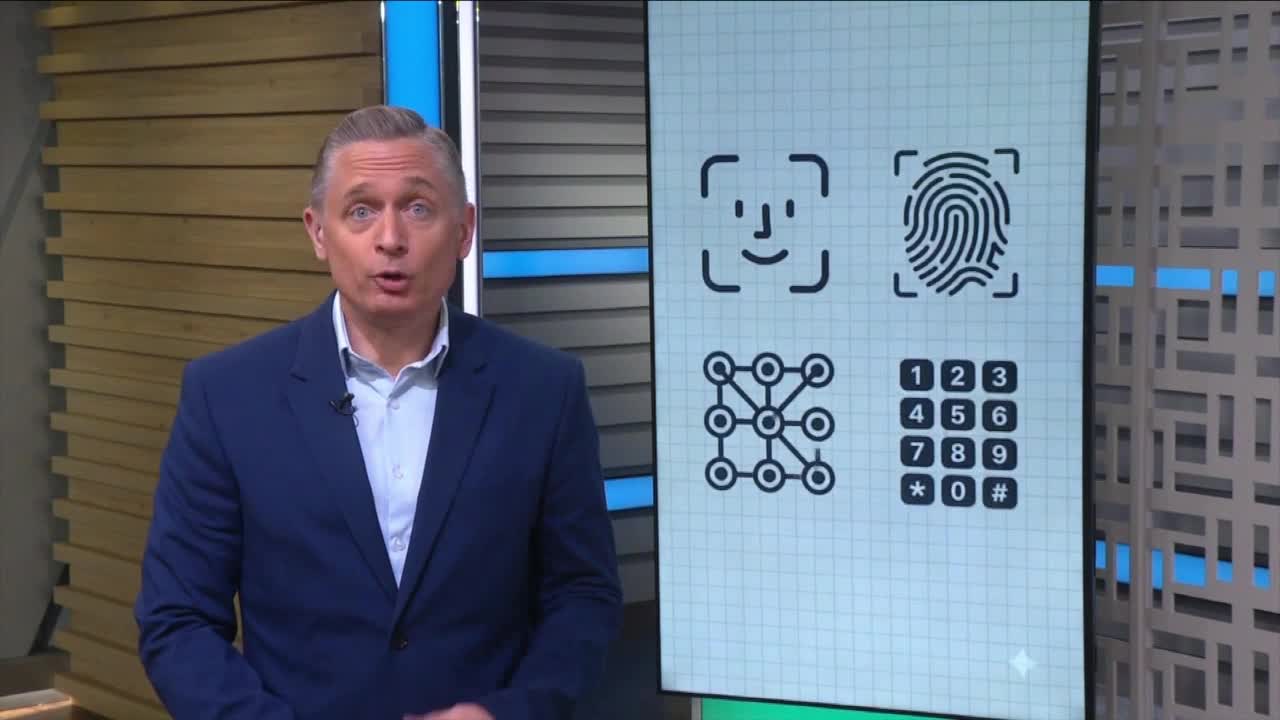
For those concerned about using a fingerprint or face scan, just know that your actual face and fingerprint are never stored anywhere. Your device converts your biometrics into a scrambled mathematical value that stays locked inside the phone. No photo. No fingerprint file. Nothing gets sent.
If you'd rather skip biometrics entirely, your PIN works just as well. Just make sure you keep the PIN private and make it hard to guess. If your phone has passkeys set up and someone gets into your phone via that PIN, they'll have access to those accounts.
Passkeys already work on Amazon, Google, Apple, PayPal, and hundreds of other sites — with more added every month. Once you set one up, you'll find logging in much easier, with no more two factor authorizations or passwords to type in, and safer as nothing ever leaves your device.
Tech Check with Todd Chance is a new series on the Morning Mix dedicated to stripping away the complexity of the digital world. If you remember floppy disks and dial-up internet, you might feel like all the new advancements in technology are coming too fast and without a lot of guidance.
The goal is simple: to help you navigate the rapid pace of modern technology with confidence rather than confusion. Whether it’s demystifying the latest AI tools, protecting your privacy, or finding clever ways to save time and money, we want to showcase tech as a solution, not a source of stress. In this series, we tackle the topics that matter most to your daily life, providing practical, step-by-step guides to help you master the devices in your pocket, home, or car.
Have an idea for a Tech Check segment? Want to reach out to Todd directly? Email: todd.chance@fox17online.com
Follow the FOX 17 Morning Mix on: Facebook, Instagram, & TikTok
