



Disclaimer: This is sponsored content. All opinions and views are of the advertiser and do not reflect the same of Fox 17.
Tech Check with Todd Chance is a new series on the Morning Mix dedicated to stripping away the complexity of the digital world. If you remember floppy disks and dial-up internet, you might feel like all the new advancements in technology are coming too fast and without a lot of guidance.
The goal is simple: to help you navigate the rapid pace of modern technology with confidence rather than confusion. Whether it’s demystifying the latest AI tools, protecting your privacy, or finding clever ways to save time and money, we want to showcase tech as a solution, not a source of stress. In this series, we tackle the topics that matter most to your daily life, providing practical, step-by-step guides to help you master the devices in your pocket, home, or car.
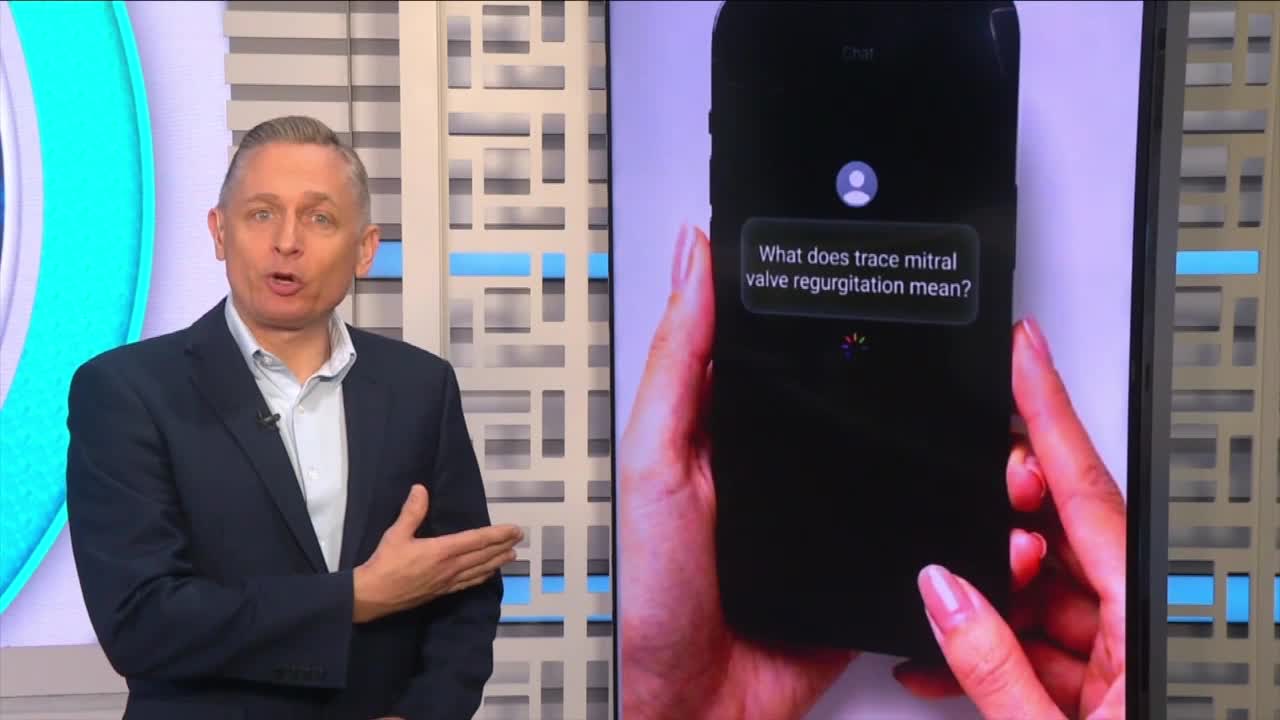
Episode one deals with a common situation... the confusion you may feel when you open your After Visit Summary from the doctor and see a wall of text that looks like a foreign language. Medical reports are written for professionals, not patients. Phrases like "Grade 1 diastolic dysfunction" or "Trace-to-mild mitral regurgitation" can send anyone into a late-night Google spiral, where every search result seems to point toward the worst-case scenario.
Todd explores how to bridge this gap using AI tools like ChatGPT, Google Gemini, and Claude. These aren't just for writing emails; they can act as a personal medical translator, turning intimidating jargon into clear, actionable information. He used the example of a report after a fictional echocardiogram test was run. By using the large language models as a reference and translator, he showed how you can clear up any confusion you may have about what you're reading.
Useful? Yes. But a common hesitation for some is the safety issue. Does the AI now know your medical history? Is it keeping this info? Is it safe to share?
Todd showcased how to use them safely. The simplest way is just to type the terms in and ask about them without identifying yourself. These tools know the what, they don't need to know the who, for them to work. Don't want to type? You can copy and paste a photo of the report — just make sure to mark out your name, date of birth, and any social security or account numbers.
Think of the AI as a highly intelligent dictionary rather than a doctor. It is excellent at explaining what words mean, but it doesn't "know" you personally. By stripping away your private identifiers, you can get the clarity you need while keeping your personal data secure. For even more protection, you can always turn on "Incognito Mode" so the conversation you have isn't stored or saved anywhere for future reference.
The goal of using these tools isn't to self-diagnose or replace your physician. Instead, they can help you clear the "jargon fog" before your next appointment. When you understand what the words actually mean, you can walk into the office with better questions and more confidence. Most of the these tools will also suggest follow-up questions you may want to ask your doctor.
Don't let a wall of text spark a panic. Use the technology at your fingertips to get the facts so you can focus on what really matters.
Because technology should work for you, not make things more complicated.
Have an idea for a Tech Check segment? Want to reach out to Todd directly? Email: todd.chance@fox17online.com
Follow the FOX 17 Morning Mix on: Facebook, Instagram, & TikTok
