

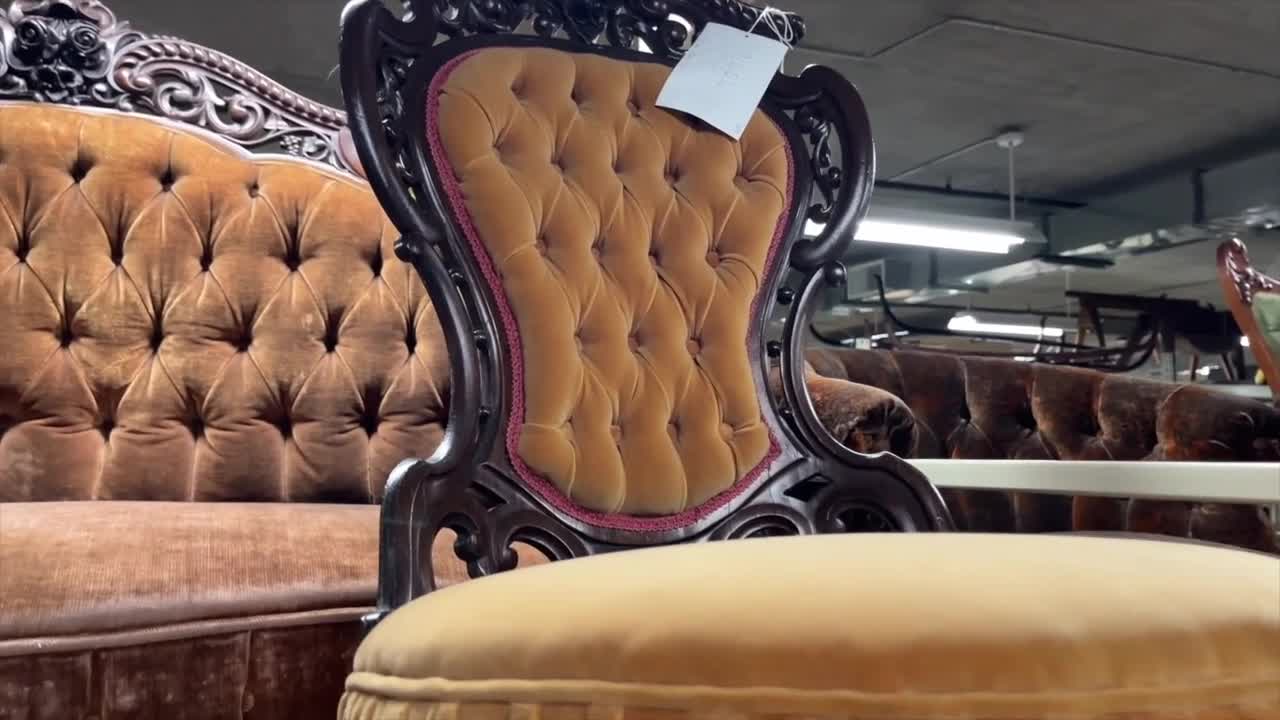


GRAND RAPIDS, Mich. — Grand Rapids earned the title "Furniture City" through a combination of natural resources, industrial innovation, and a little old-fashioned log piracy.
WATCH: How Grand Rapids became America's Furniture City
The Community Research and Archives Center in Grand Rapids holds about 1,500 pieces of furniture — a physical record of how the city built its identity around an industry that once employed more people than Detroit's auto industry employed at its peak.
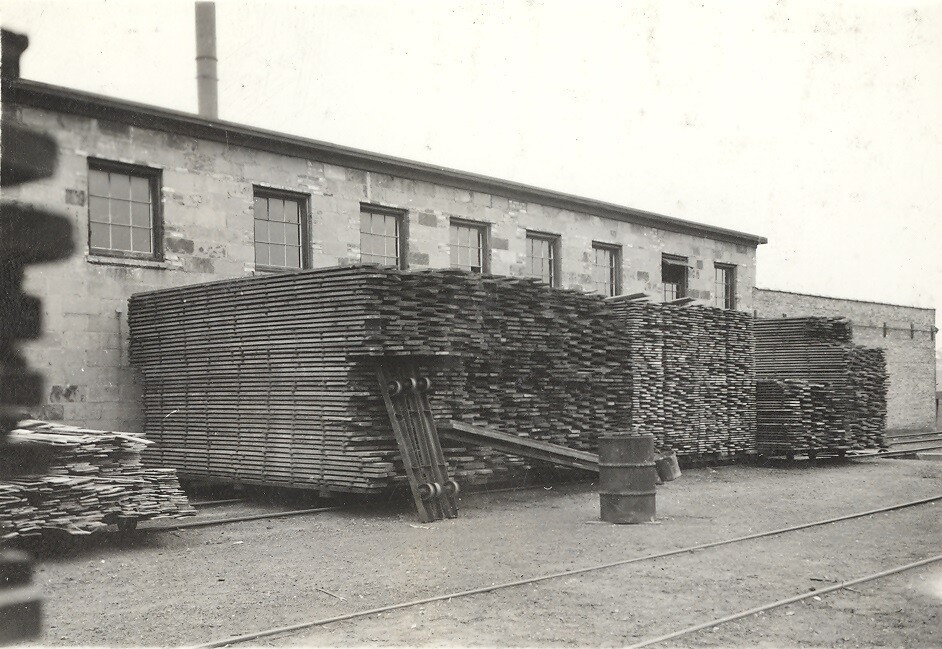
The story starts with Michigan's dense hardwood forests and numerous waterways, which at one point made the state the largest timber producer in the nation. Lumber barons moved raw materials downriver to Grand Rapids — though not always by the book.

"It was much easier to just wait a few miles downstream, cut the end off of the log and rebrand it with a different company name. Basically, they were log pirates," Alex Forist, Grand Rapids Public Museum chief curator, said.

From those raw materials, Grand Rapids factories developed a reputation for efficiency that extended well beyond Michigan.
"The Grand Rapids factories were really the state of the art anywhere in the world for completing this whole process in kind of an efficient, cost-effective way," Forist said.
That efficiency translated into affordability — and a broader market.
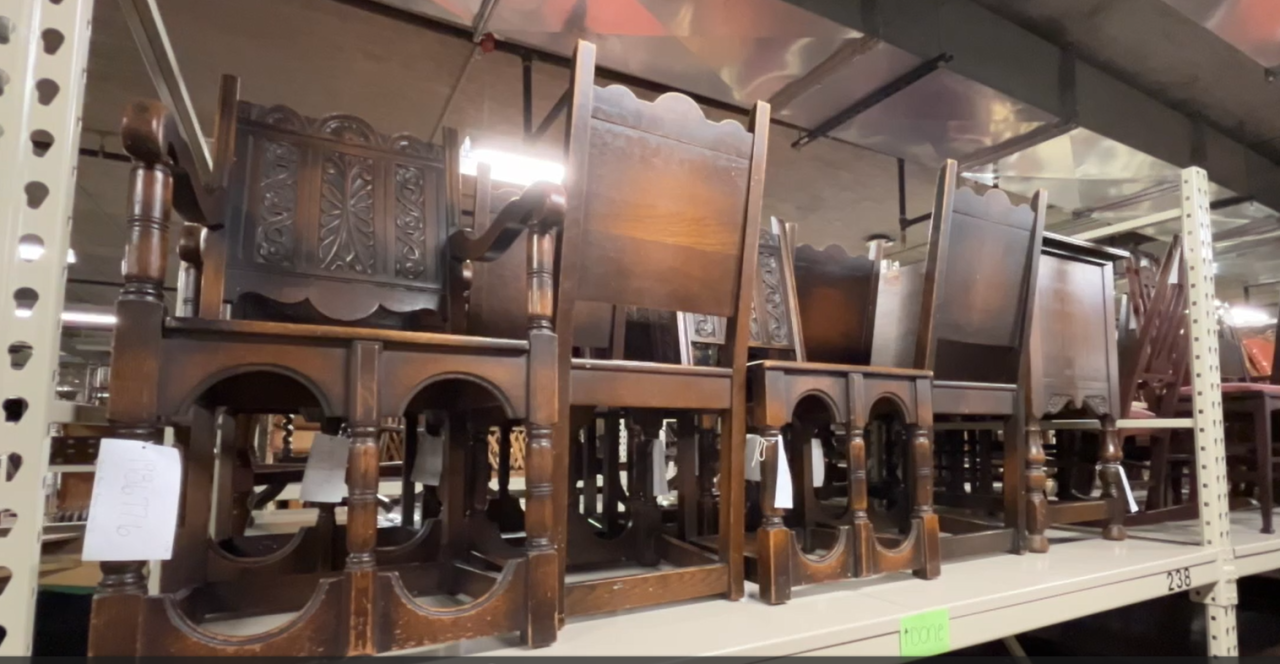
"They were able to bring the cost of a piece of furniture that looks like this down enough so that a middle-class buyer could have afforded it, and that is what really allowed them to expand their market and have Grand Rapids become furniture city," Forist said.
A blue-ribbon-winning entry at the 1876 World's Fair put Grand Rapids on the map nationally. Over the nearly 200 years since, more than 800 different companies helped manufacture furniture in the city, with the majority producing at the end of the 19th century.
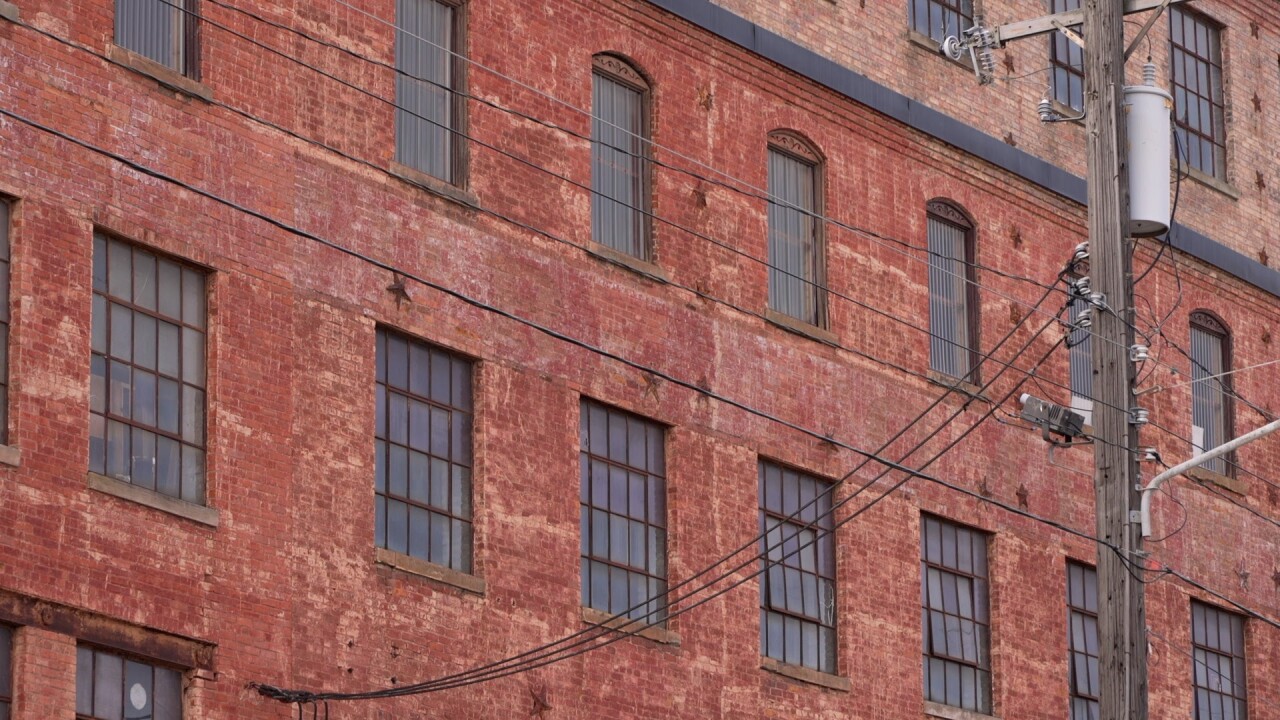
"A much higher percentage of people in Grand Rapids worked making furniture than worked in Detroit making cars. Grand Rapids really did have all its eggs kind of in one basket in terms of the furniture industry," Forist said.
The Great Depression changed that. Much of the city's production moved south, where labor and production costs were lower. Grand Rapids eventually pivoted from home furniture to office furniture and beyond — and some of that production never left.
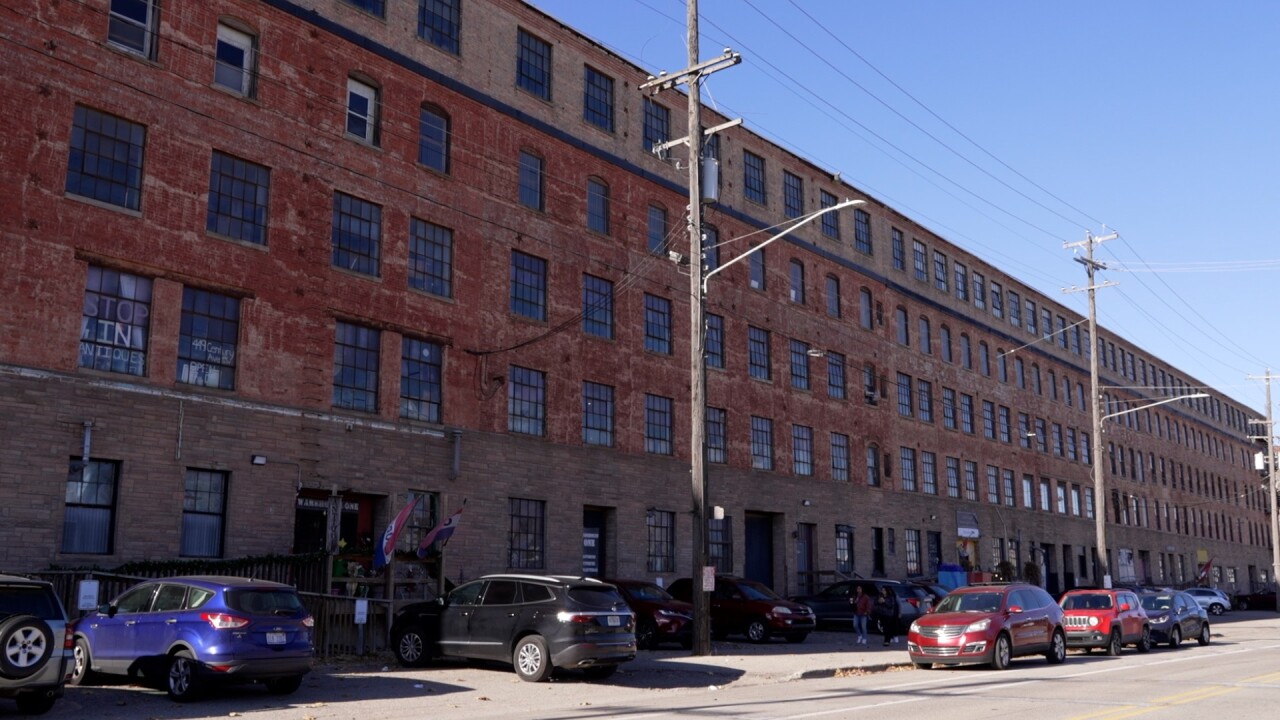
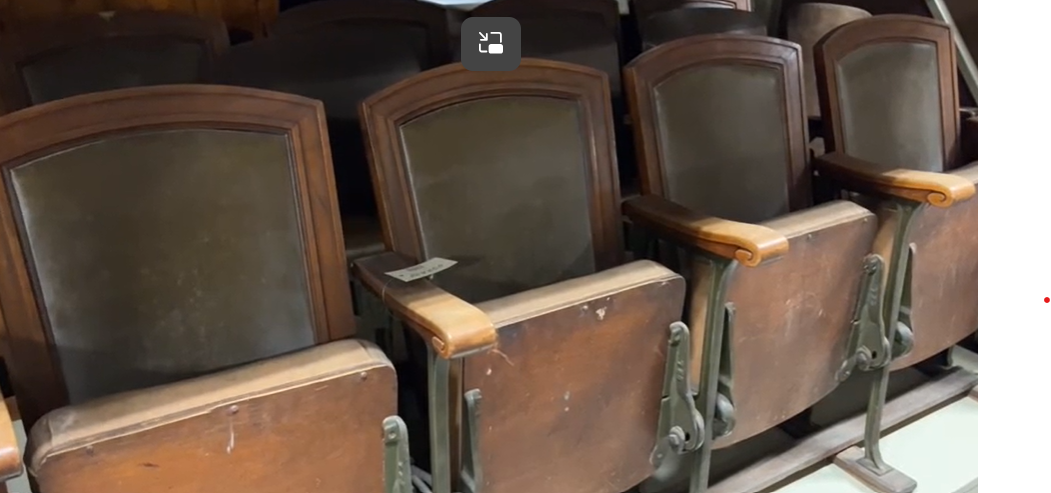
"The Irwin seating, the American Seating Company, still makes some very significant percentage of the fixed seating in the world, the seating at stadiums and movie theaters, and on buses and trains that is all still produced in Grand Rapids," Forist said.
Much of what people sit on today traces its design roots back to the height of the Grand Rapids furniture boom.
This story was reported on-air by a journalist and has been converted to this platform with the assistance of AI. Our editorial team verifies all reporting on all platforms for fairness and accuracy.
