

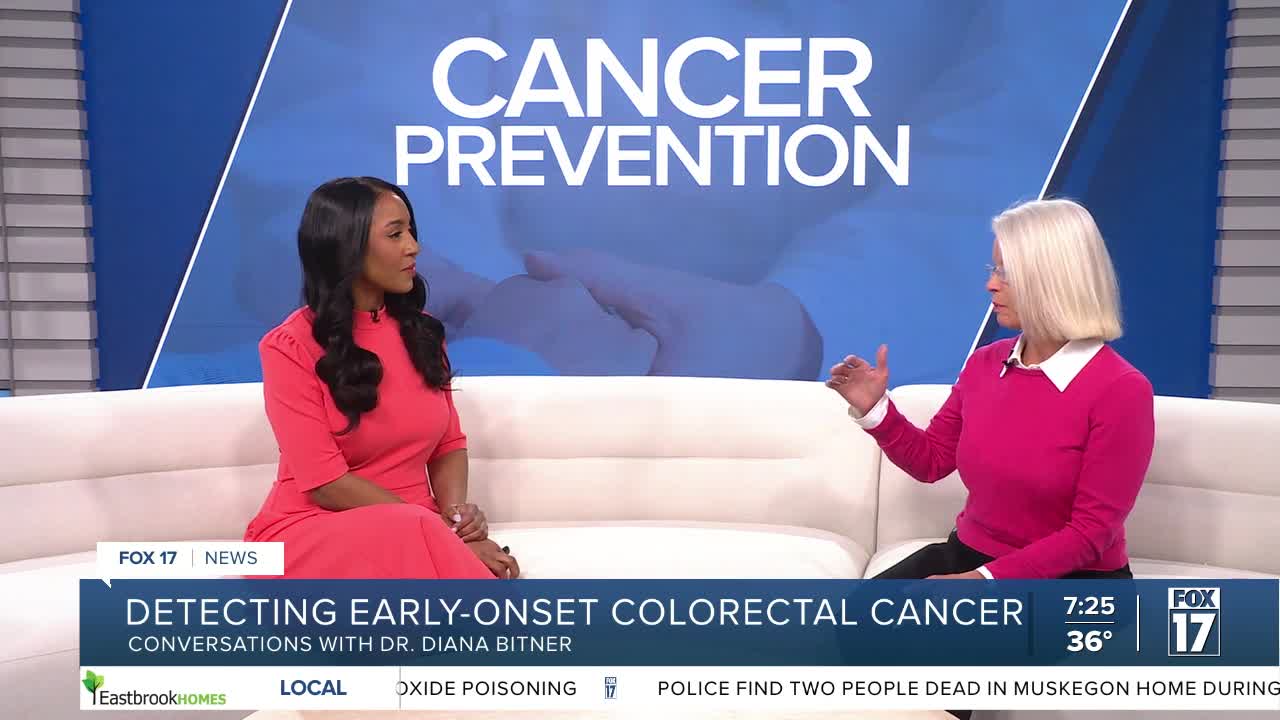

WEST MICHIGAN — Being the third most common form of cancer in men and women, health experts say colorectal cancer is being found in young people at an increasing rate. March is Colorectal Cancer (CRC) Awareness Month, and between 1988 and 2015, the rate of people getting CRC before 50 has increased by 63%.
Dr. Diana Bitner is the co-founder of True. Women's Health, and she's pointing to several risk factors that could increase the chance of CRC:
- Heredity factors: Inherited genetic mutations including Lynch syndrome and Familial Poliposis
- Lifestyle/dietary factors: High sugar drinks, high fat, processed meat
- Obesity of BMI > 30
- Gut biome: Over exposure to antibiotics, low fiber, more bacteria creating inflammation
Knowing risk factors can offer opportunity for people to change habits and reduce risk for themselves and families.
- Heredity factors: If you have a family history of CRC before the age of 50, 1/5 are related to genetic conditions. get tested for genetic mutations and get screening 10 years before your family member was diagnosed.
- Lifestyle & diet: Quit drinking high sugar soda, limit processed foods and high fat dairy. Try to exercise at least 20-30 minutes a day, keep alcohol to fewer than 7 drinks per week and reduce or stop smoking cigarettes.
- Obesity: Obesity is not a choice for many people; there are many factors out of people's control. Consider medical treatment for obesity, many safe and effective therapies now exist.
- Gut Biome: Testing is not easy and not routinely done. To improve your gut biome, take in 35 grams of dietary fiber (berries, broccoli, beans, whole grain bread, avocado) and add probiotics in fermented food (kefir, kombucha, pickles, sauerkraut, kimchi).
Knowing risk factors can provide insight for who should get tested before 45. The gold standard of testing is a good quality colonoscopy. It detects not only cancer, but also pre-cancerous polyps and inflammatory bowel disease.
Cologuard is an every 3 year screening test done by testing for DNA from tumors on BM samples. There are also blood tests available that can be offered every year.
The science behind gut bacteria screenings and tests is new, but promising. Harmful bacteria break down protective mucous layers, damage DNA in the colon, block cancer detecting immune cells, and enhance effects of fried and processed foods. Knowing your risk factors for CRC can help you get ahead of the condition, and act on it before it's too late.
Read more stories from the FOX 17 Morning News team
Do you have an idea for the Morning News team or maybe an idea for a guest segment or something for the gang to come out and try? Send them an email at mornings@fox17online.com or call 616-447-5252 and leave a message.
Follow FOX 17: Facebook - X (formerly Twitter) - Instagram - YouTube

