

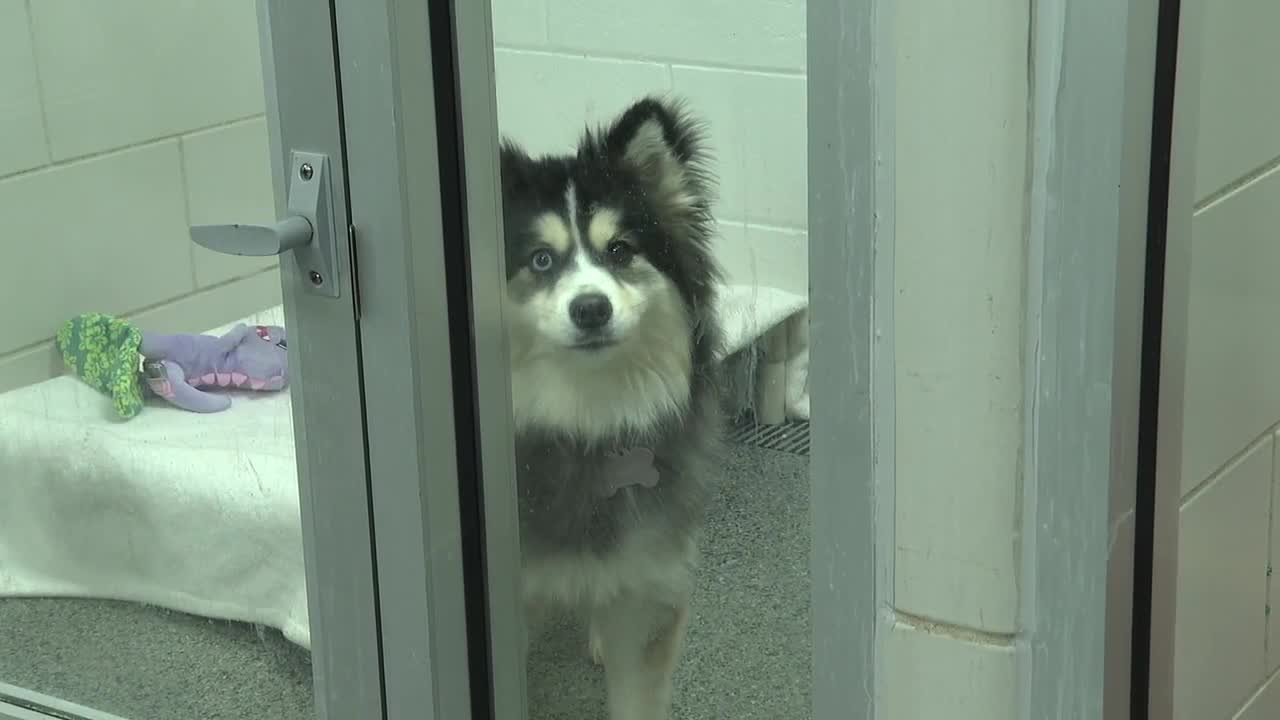


WALKER, Mich. — It's hard to tell who is louder, the dogs barking or the kids attending Winter Day Camp. Okay, it's the dogs.
And they are all in separate rooms. The kids (ages 5 through 12) are in the multipurpose room, formerly called the training room, and the dogs are in their enclosures. They get excited when people are around, and to help keep them calm, the public is no longer permitted. Neighbors interested in meeting a possible adoption are invited to special rooms where the dog or cat comes to them.
At the Humane Society of West Michigan, every kennel holds a story and the hope of a forever home. And the shelter is bursting at its seams.
"We are just so full," says Winni Walsh, director of development and marketing. "We have so many wonderful animals who are up for adoption right now, and unfortunately, our 'surrender wait list' is about three times as long as our capacity."
The surrender wait list consists of people who want to give their pets to the shelter, maybe "people who are needing support, maybe can't care for their animals," notes Walsh. She points out the Humane Society shelter does not euthanize to make room, despite the fact that when one animal finds its forever home, three more are waiting in line for that same precious space.
The shelter these days faces similar problems every holiday season: adoptions slow down, and conflicting messages about pet adoption swirl through social media and family gatherings. Don't give pets as Christmas gifts, goes the conventional wisdom. But statistics tell a different story than holiday folklore suggests. There's little evidence that pets adopted during the holidays have higher return rates..

Yet here sits a shelter overflowing with animals desperately needing homes.
Walsh threads this needle with the precision. "Pets are not one-time gifts. They are a lifelong commitment."
The solution, Walsh suggests, lies not in avoiding holiday adoptions but in approaching them with the same thoughtfulness reserved for any major life decision. Research the commitment. Talk with household adults. Understand what you're signing up for. And perhaps most importantly: don't make pets surprise gifts.
And there are options beyond adoptions.
For Lynae Umlor, the shelter's human resources manager, fostering pets, starting with dogs then concentrating on cats, has been a years-long commitment. Currently she is fostering Gerry, a resilient female kitten who survived being trapped between a wood and metal fence.
"I started fostering years ago," she recalls. She even brought bottle-fed kittens to her job interview at the shelter because the air conditioning in her Jeep had died on a sweltering summer day. It was the kind of moment that defines a workplace culture—when bringing foster kittens to an interview isn't just acceptable but perfectly logical.
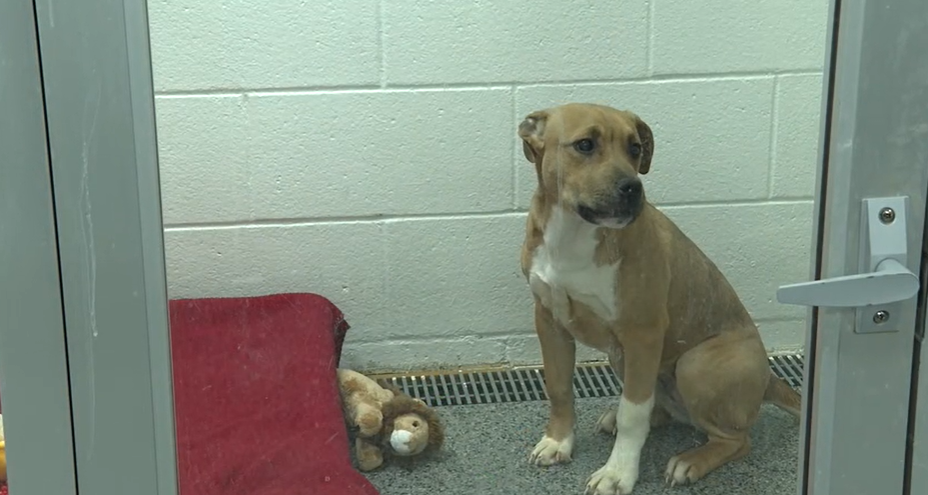
Fostering offers a pressure release valve for the shelter's capacity challenges while providing something equally valuable: temporary homes where animals can decompress, heal, and prepare for their permanent families. The shelter provides food, medical care, and supplies—foster families provide the love and attention that institutional settings, no matter how well-intentioned, cannot replicate.
The emotional toll varies with each animal. Umlor readily admits some fosters are easier to let go than others. Gerry's hyperactive brother? "I was very happy to see him go to the home that he belonged to, because he was a lot to deal with." But Gerry herself, after months of medical treatments and bonding, presents a different challenge entirely.
Beyond adoption and fostering, the shelter operates on what Walsh calls "the gift of time"—volunteers who provide the human contact that transforms institutional care into something approaching family. With four volunteers for every paid staff member, the Humane Society has built its operations around community involvement.
Then there's the emergency foster program that few people know about: P.E.T.S. (Providing Emergency Temporary housing), which offers up to 30 days of care for owned animals whose families face domestic violence, unexpected hospitalization, or temporary homelessness. It's the kind of program that prevents beloved pets from joining the surrender wait list while families navigate life's unexpected storms.
The numbers themselves tell the story of community impact: roughly 3,000 animals flow through the shelter's programs annually, with between 250 and 300 in care at any given time. These aren't just statistics—they represent individual stories of loss, hope, second chances, and new beginnings.
Monetary donations fund everything from food to enrichment activities. Product donations through Amazon and Chewy wishlists provide immediate necessities. The pet food pantry helps families keep their animals during financial hardship.
Every penny helps, Walsh insists, because the alternative—a community where loving families surrender pets they cannot afford to keep—serves no one's interests.
The Humane Society of West Michigan isn't trying to work itself out of business, Walsh acknowledges with a wry smile. There will always be animals needing homes, families requiring support, and communities grappling with the intersection of love and responsibility that defines pet ownership.
But in the meantime, every kennel that empties makes room for another animal to begin its journey from abandonment to belonging—and every community member who chooses to help ensures that journey continues.
Do you have a story idea in Walker, Northview, or Comstock Park? Email robb.westaby@fox17online.com
This story was initially reported by a journalist and has been converted to this platform with the assistance of AI. Our editorial team verifies all reporting on all platforms for fairness and accuracy.
