

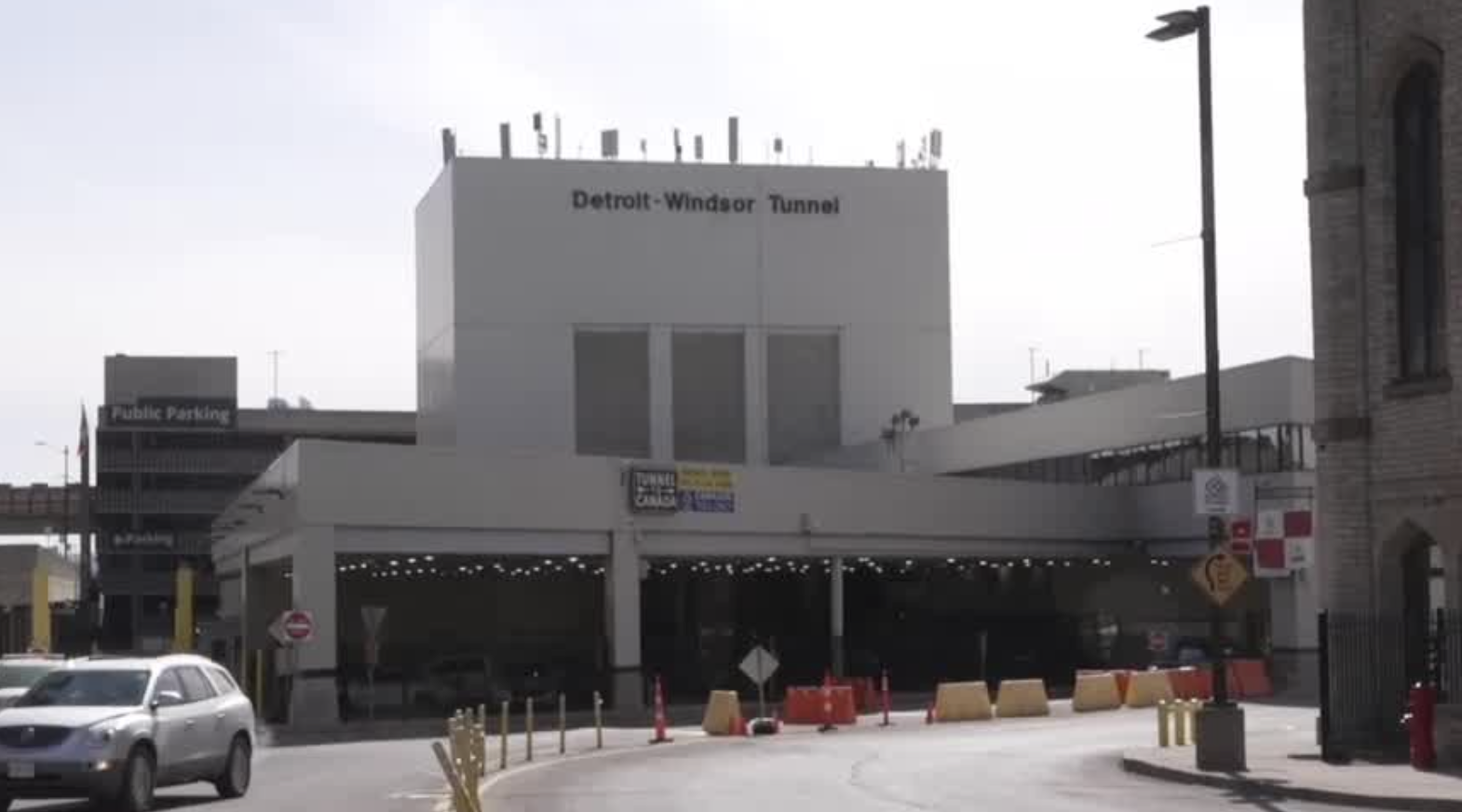


DETROIT (WXYZ) — A 30% drop in Canadians crossing land borders into the United States is impacting businesses in Michigan, tourism officials say, as political tensions and currency exchange rates keep Canadian visitors home.
Detroit is home to the largest and busiest land border crossing between the two countries. The decline, reflected in data released by the Canadian government this week, is being felt in neighborhoods just minutes from the border.
Watch Brett Kast's video report below:
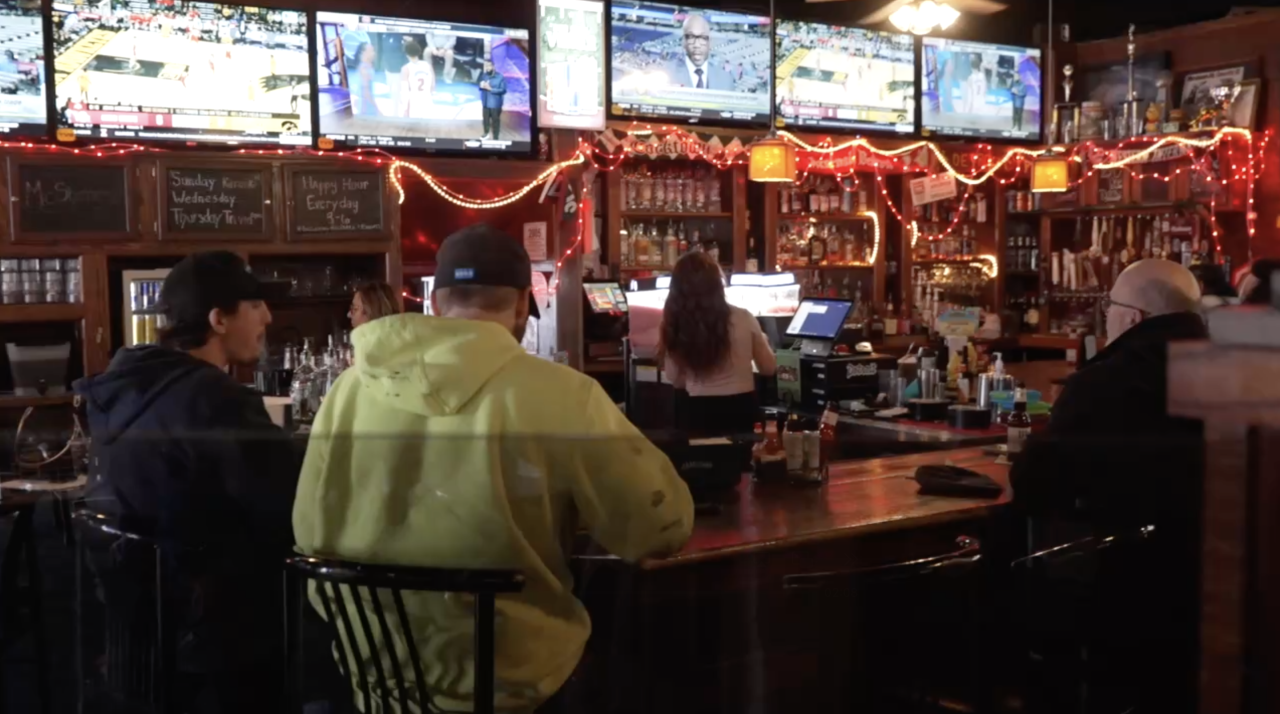
At McShane's Irish Pub in Corktown — roughly a five-minute drive from the Canadian border — manager Rita Cazaras said the Canadian regulars her staff once counted on have become a rare sight.
"We have seen the decline, and it's been a little hurtful to us," Cazaras said.

Cazaras said she was not surprised by the statistic, and says it's especially noticeable on game days and for big events.
"We've seen a 30% dip in Canadian visitors to Detroit and Southeast Michigan and that's certainly had an impact on hotels, our restaurants, our attractions," said Claude Molinari, president and CEO of Visit Detroit.
Many have heard from Canadians who no longer wish to travel to the United States amid the current political conflict between the two countries, with some finding it more patriotic to spend their money at home.
"Definitely the sentiment has changed, and we're seeing it both statistically and anecdotally," Molinari said.
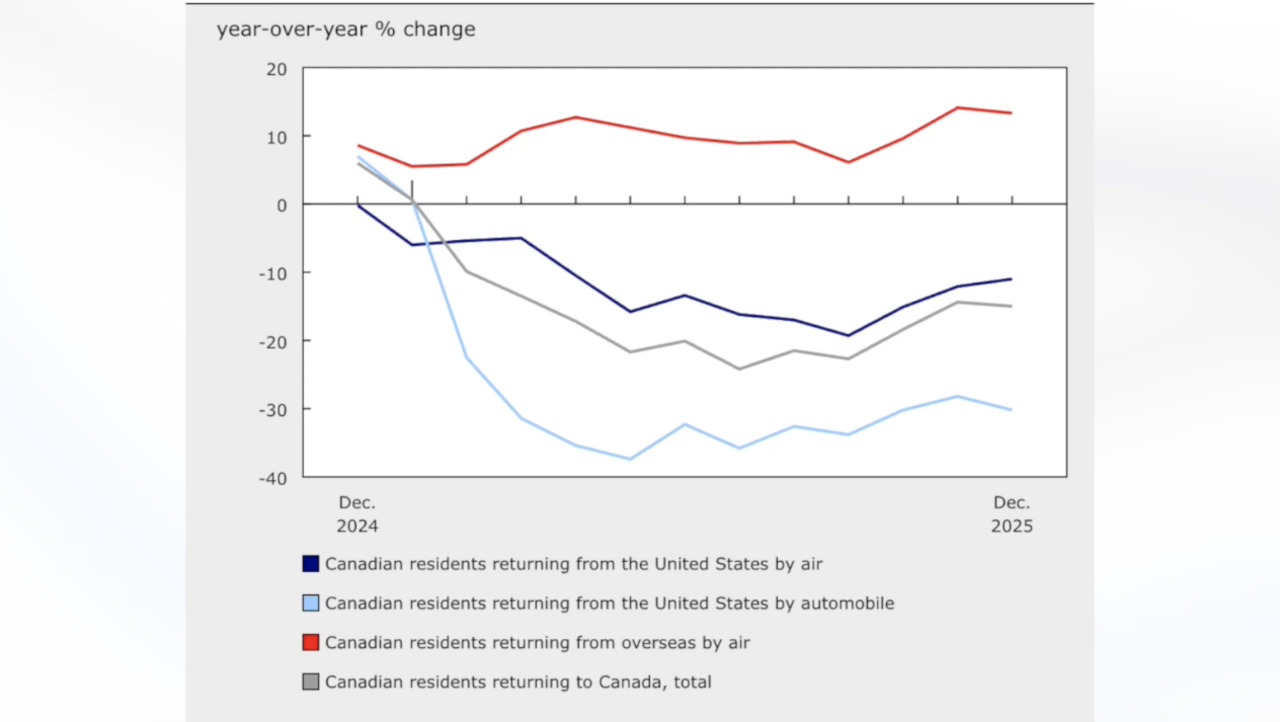
Molinari noted that while overall tourism in Detroit remained flat, a stronger showing from Canadian visitors would have produced an overall increase in 2025.
"It matters for people who depend on tourism and hospitality for a living. You've lost a segment of the population that's just not coming right now," Molinari said.
Hear more from Claude Molinari below:
But the decline can't be blamed soley on politics, according to Molinari and some Canadian residents.
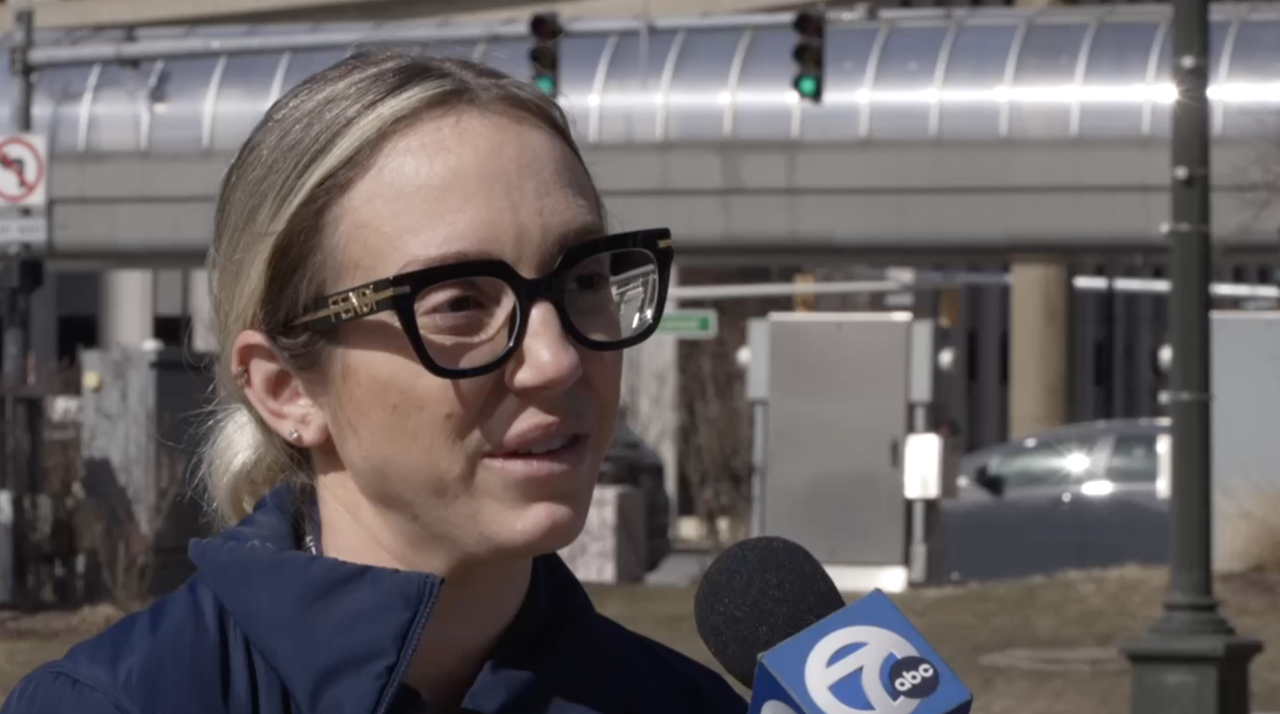
Felicia Chibante, who lives in Windsor, Ontario, but works in Detroit, said finances are the bigger factor for her. Every U.S. dollar costs Canadian travelers roughly $1.37 in Canadian currency, making shopping and dining in Detroit less affordable.
"For leisure, we do find ourselves traveling a lot less than usual because it's not worth it," Chibante said. "It was nice to come here and shop and then maybe get dinner and stuff like that, so you find yourself doing a lot less of that."
Despite the decline, tourism officials say the door remains open.
"When they feel that it's an appropriate time to come back, we will welcome them back. I don't think they've wronged us," Molinari said.
Cazaras agrees, expressing hope the slowdown won't last.
"We are hopeful for that. We're hopeful it's just a temporary bump," Cazaras said.
—————
This story was reported on-air by a journalist and has been converted to this platform with the assistance of AI. Our editorial team verifies all reporting on all platforms for fairness and accuracy.
