

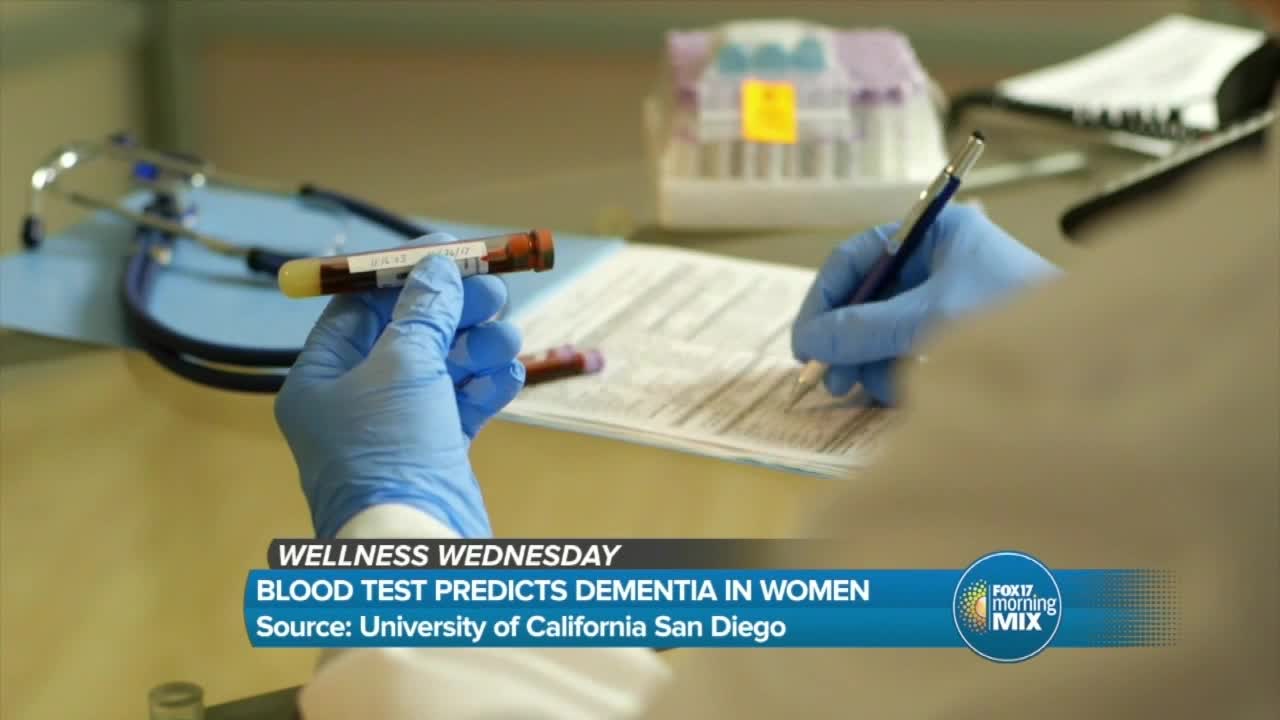


Blood test link to dementia risk in women
A new study suggests a simple blood test may one day help predict a woman's risk of dementia decades before symptoms begin! Researchers at the University of California San Diego found that higher levels of a protein called P-TAU217 in the blood were strongly linked to future memory problems and dementia.
The study followed more than 2,700 women for up to 25 years, and those with higher levels of the protein were far more likely to develop cognitive decline later in life. Scientists say the discovery could help identify people at risk long before memory loss begins, opening the door to earlier prevention and monitoring.
The test isn't ready for routine doctor visits yet, but researchers say blood-based biomarkers like this could one day make dementia screening much easier and less invasive with current methods.
Colorectal cancer cases rising in adults under 50
Colorectal Cancer isn't just an "older person's" disease anymore, and experts warn that outdated idea could be costing lives. Cases are rising in younger adults, with about 1 in 10 diagnoses now happening in people under 50, and since the mid-1990s, rates in that group have been climbing about one to two percent each year.
Colorectal Cancer is now the leading cause of cancer deaths for men under 50 and the second-leading cause for women in that same age group. Screening guidelines recently lowered the recommended age from 50 to 45, but doctors say if you have a family history or certain conditions, you may need to start even earlier.
Don't ignore symptoms like persistent abdominal pain, changes in bowel habits, rectal bleeding, fatigue, or unexplained weight loss. Listen to your body, know your family history, and don't be afraid to speak to your doctor.
Cholesterol screenings recommended at earlier ages
New guidelines say heart health should start earlier than ever. The American Heart Association and American College of Cardiology now recommend cholesterol screening beginning in your 30s.
Doctors are now looking at both ten year and 30 year risk using a new tool called "Prevent" to get a clearer picture of a person's lifetime heart health. Experts say the goal is simple: lower "bad" LDL cholesterol early to reduce the total exposure your body has over a lifetime.
For most people, doctors now aim to keep LDL levels under 100, with medication like Statins considered if lifestyle changes aren't enough.
Follow the FOX 17 Morning Mix on: Facebook, Instagram, & TikTok
