



PCOS re-named PMOS
A condition that affects about one in eight women is getting a new name in hopes of clearing up years of confusion. What has long been known as Polycystic Ovary Syndrome, or PCOS, will now be called Polyendocrine Metabolic Ovarian Syndrome, or PMOS.
Experts say the old name put too much focus on ovarian "cysts", which aren't a defining feature of the condition for many patients. The new name is meant to better reflect how the disorder affects multiple systems in the body, including hormones, metabolism, weight, skin, mental health, and fertility.
Researchers also hope the change will lead to earlier diagnosis and better understanding, since many people with the condition still go undiagnosed for years. The transition to the new name is expected to roll out over the next few years, along with updated education and awareness efforts worldwide.
Art engagement may slow aging
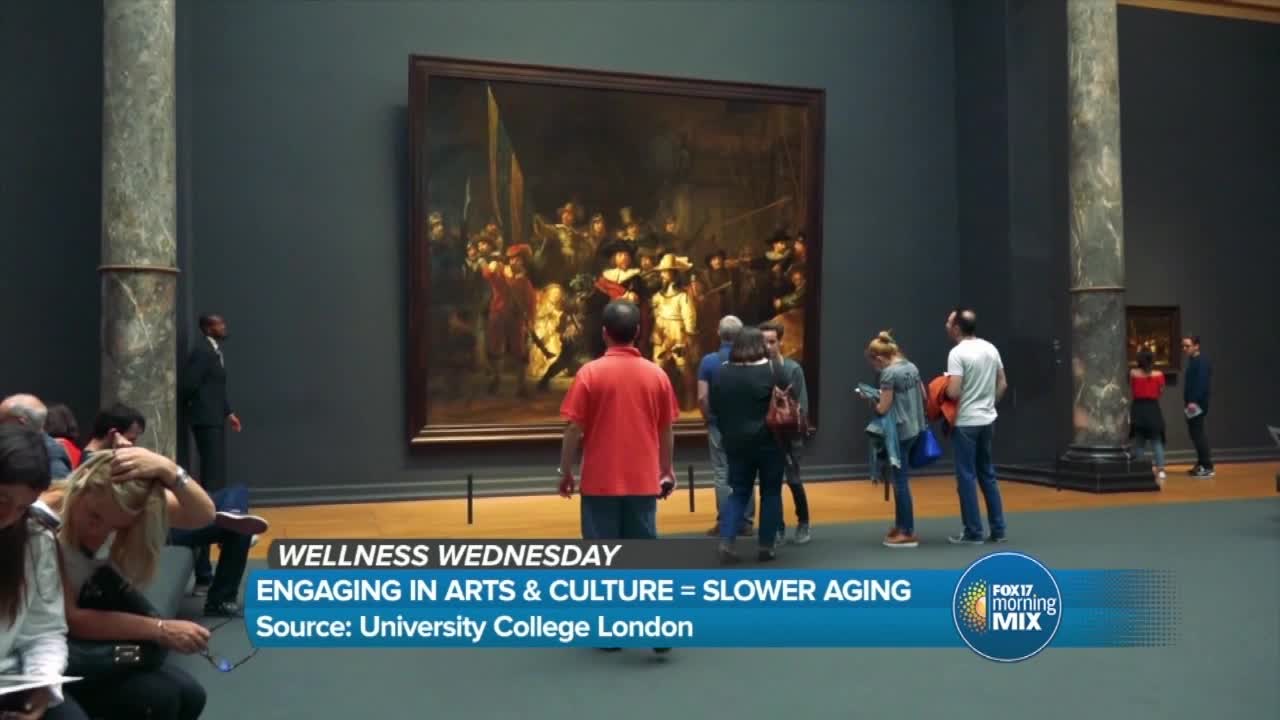
New research from University College London found that people who regularly engage in arts and cultural activities may actually age more slowly at a biological level.
Researchers looked at DNA-based markers of aging and found that people who participated in things like music, reading, theater, or art activities every week showed signs of slower aging, with benefits similar to regular exercise. Experts say these activities may help lower stress, reduce inflammation, and keep the brain, body, and emotions actively engaged all at once.
Links to mental health and heart health
New research is adding more science to something many people already feel: a healthier mind may help support a healthier heart.
A review of multiple studies found that positive psychological practices like mindfulness, gratitude journaling, and optimism training can improve heart-health habits, including stress management, medication consistency, and overall well-being.
Most of the programs lasted betwen six and 12 weeks and were offered in person, online, or through hybrid formats. Researchers say these interventions appear to help people stick with healthier routines and lower some of the risk factors linked to cardiovascular disease.
While scientists are still studying the long-term impact, the findings continue to reinforce that mental and physical health are
Follow the FOX 17 Morning Mix on: Facebook, Instagram, & TikTok
