



Heart attack survivors may experience higher cognitive decline as they age
A new study is strengthening the connection between heart health and brain health, finding that people who have had a heart attack may face a higher risk of cognitive decline as they age.
Researchers followed more than 20,000 adults over a ten-year period and found that heart attack survivors had about a 5% higher yearly risk of developing memory and thinking problems compared to people without a history of heart attack. Even so-called "silent" heart attacks, which can happen without obvious symptoms, were linked to faster cognitive decline.
Experts say the findings suggest damage to blood vessels in the heart may also reflect changes happening in the brain. Managing things like blood pressure, cholesterol, blood sugar, sleep, and physical activity can help support both heart and brain health over time.
UC San Diego develops individualized depression treatment plans through technology data
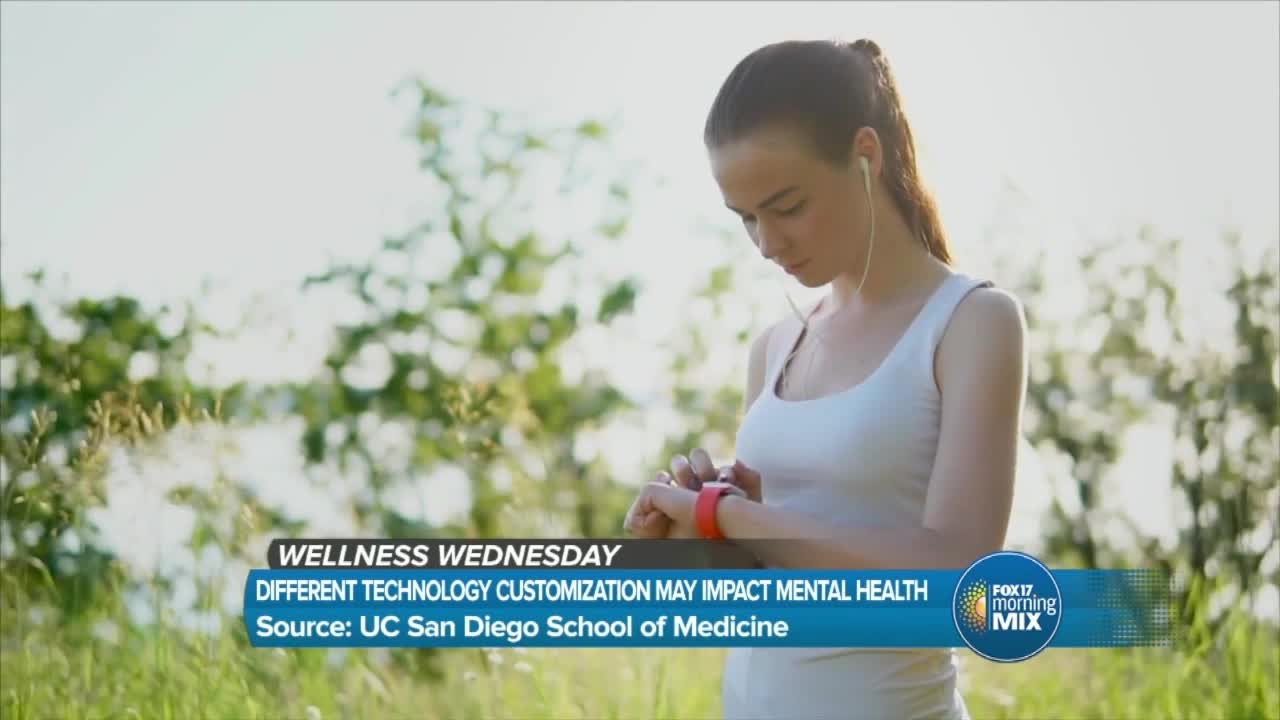
A new study is showing how personalized technology may help people better manage depression with one daily habit at a time.
Researchers at University of California San Diego used smartwatch data, mood tracking, and machine learning to create customized wellness plans for people with mild to moderate depression. Instead of giving everyone the same advice, the program identified which factors most affected each person's mood, whether it was sleep, exercise, social connection, or diet.
After six weeks of personalized coaching, over half of participants no longer met the standard screening criteria for depression, and many also reported less anxiety and better quality of life.
Researchers say the big difference may be that people were only asked to focus on the changes most relevant to them, rather than trying to overhaul everything at once. Larger studies are still needed, but the findings offer a glimpse into the future where mental health support may become more personalized, accessible, and data-driven.
Misinformation on perimenopause spreading on social media
Doctors are sounding the alarm about a growing wave of misinformation surrounding perimenopause, especially on social media. Experts say more women are self-diagnosing hormonal changes and requesting treatments like Hormone Replacement Therapy without realizing they may still be fertile or dealing with an entirely different health issue.
Specialists stress that while better awareness around menopause is a positive thing, symptoms like fatigue, migraines, or sleep trouble can have many different causes and shouldn't automatically be attributed to perimenopause. They also say hormone therapy can be life-changing for the right person, but it's not a one-size-fits-all solution.
The big message: social media may start the conversation, but individualized medical advice should still guide decisions.
Follow the FOX 17 Morning Mix on: Facebook, Instagram, & TikTok
