

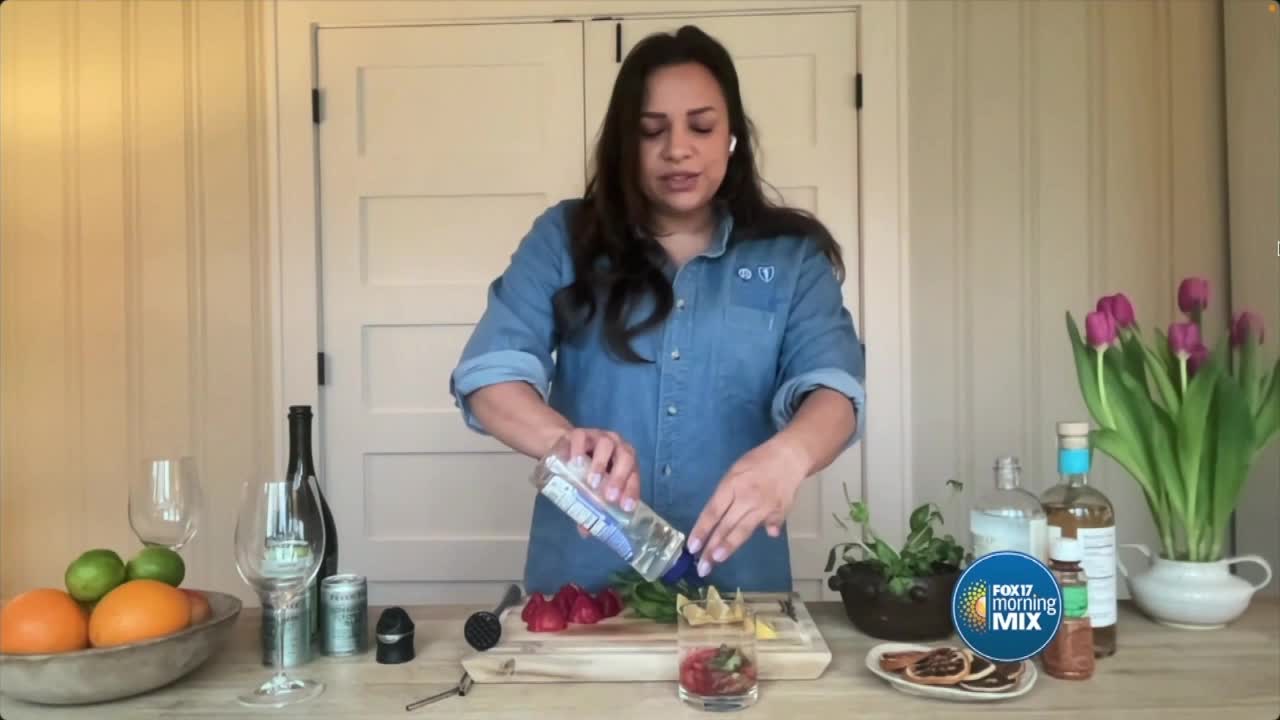


Whether you are someone looking to reduce alcohol intake or try something new, mocktails are growing in popularity and expanding in creativity with a variety of recipes.
BCBS of Michigan registered dietitian and health & wellness spokesperson, Shanthi Appelo, visited the Morning Mix to share mocktail recipes to try and tips for mixing!
Every great mocktail starts with high-quality mixers. Stocking a range of these ensures versatility:
- Soda, tonic water and flavored sparkling waters add fizz and structure.
- Fresh citrus (lemon, lime, orange) is non-negotiable. Pineapple, cranberry and pomegranate add depth. Opt for 100% juice or fresh squeezed when possible.
- Brewed teas like hibiscus and green tea offer complexity.
- Coffee and cold brew are perfect for mocktail versions of espresso martinis or after-dinner drinks.
Balance is everything in a mocktail, and sweeteners help round out acidity and bitterness:
- Simple syrup: A staple you can easily infuse with herbs like rosemary or basil.
- Honey and agave: Add richer, more nuanced sweetness.
- Shrubs (drinking vinegars): These bring a tangy kick that mimics the bite of alcohol.
- Bitters (non-alcoholic versions): Add depth with just a few drops.
Fresh elements take your mocktails from basic to bar-quality:
- Mint, basil, thyme and rosemary add herbaceous notes and garnish.
- Berries, citrus slices, cucumber and even watermelon are great to muddle and garnish with.
- Ginger, cinnamon sticks and chili flakes for heat and complexity.
One of the biggest innovations in non-alcoholic drinks is the rise of liquor alternatives. These are crafted to mimic the flavor profiles and mouthfeel of traditional spirits without the alcohol. These products aren’t exact replicas, but they provide structure and complexity that juice alone can’t achieve.
- Gin alternatives: Often botanical-forward, with notes of juniper, citrus and herbs.
- Whiskey alternatives: Smoky, oaky and slightly sweet, ideal for alcohol-free Old Fashioneds.
- Rum alternatives: Tropical, spiced or caramel-toned for mojitos and tiki drinks.
- Tequila alternatives: Earthy and peppery, great for margarita-style mocktails.
Alcohol-removed wines (sometimes called dealcoholized wines) are made by producing traditional wine first, then removing the alcohol through processes like vacuum distillation. You’ll still get varietal characteristics, like the crispness of a Sauvignon Blanc or the berry notes of a Merlot, but often with a slightly lighter body. Alcohol contributes to weight and texture, so these wines can feel thinner. However, newer techniques are improving this significantly. Served chilled on their own or as a base for spritzer.
Mocktails deserve the same attention to detail as cocktails. Presentation enhances the overall experience and makes your drink feel intentional.
- Citrus twists, dehydrated fruit, and edible flowers make for a classic garnish.
- Salt, sugar or spice-rimmed glasses still bring flavor.
- Coupe glasses, highballs and rocks glasses offer for elegant presentation without the proof.
Try some of these recipes out:
Focusing on prevention like healthy eating and exercise can lead to lower health care costs and more affordable insurance for all. Learn about Blue Cross Blue Shield of Michigan’s (BCBSM) commitment to affordability here.
For more recipes and health information, visit ahealthiermichigan.org.
Follow the FOX 17 Morning Mix on: Facebook, Instagram, & TikTok
