



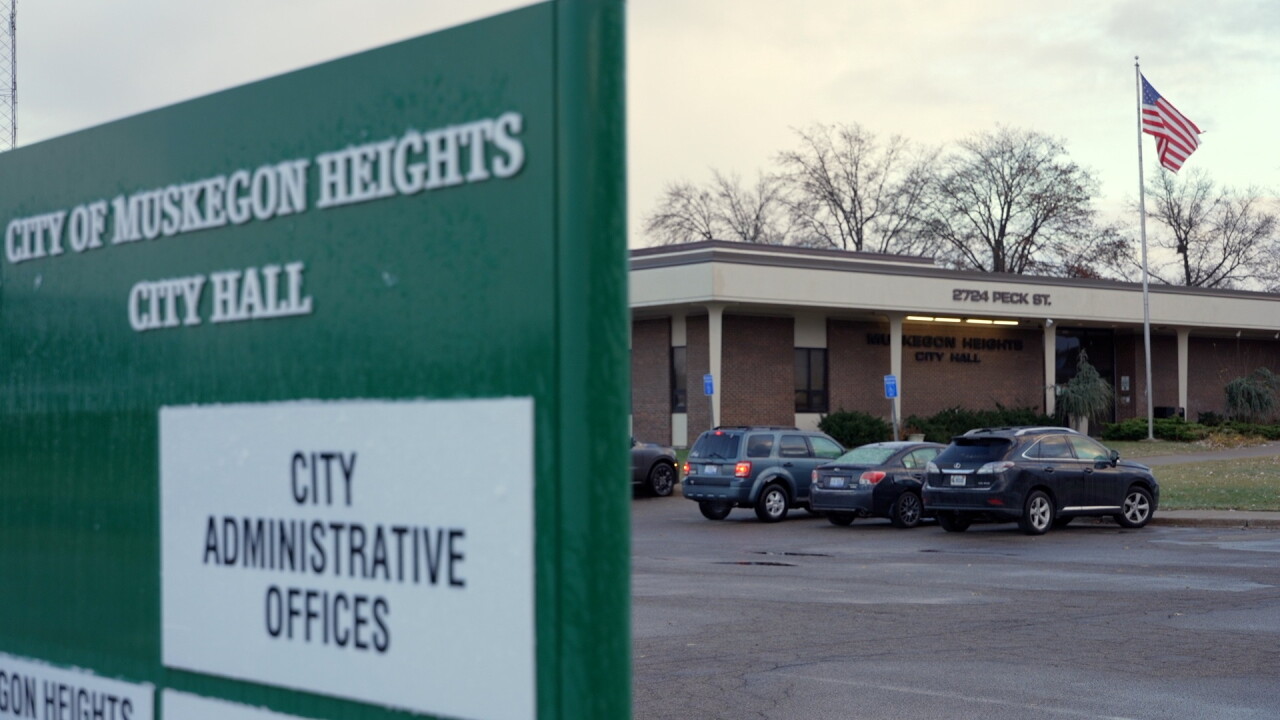
MUSKEGON HEIGHTS, Mich. — A Muskegon Heights City Council meeting ended before members could discuss how to address the city’s nearly $1.75 million deficit Monday night after a council member left, costing the council its quorum.
WATCH: Muskegon Heights council loses quorum before taking up deficit elimination plan
Councilman William Kitchen left before the council reached two major financial items on its agenda: amendments to the city’s 2026 operating budget and discussion of a deficit elimination plan.
The city is facing a Dec. 1 deadline to put a deficit plan in place.
“With Councilman Kitchen exiting the building, we no longer have a quorum,” Mayor Pro Tem Kellie Kitchen said. “Therefore, the remaining items on the agenda under G, new business, and H, the public hearing, cannot be addressed today.”
The unfinished items are expected to return to a future council agenda.
Earlier Monday, the city’s finance department reported the current 2026 deficit at $1,747,167.56, while noting some journal entries still needed to be recorded.
Council members also questioned what expenses could potentially be reduced as the city works on its deficit elimination plan, including contracts and vendors paid through the general fund.
Public safety funding dominates discussion
Much of Monday’s meeting focused on a public hearing over whether the city should generate additional revenue for police and fire under Michigan’s Public Act 33 of 1951.
City officials said public safety accounts for about 65% of the general fund and argued additional revenue for those departments could ease pressure on the city’s finances.
Officials discussed two possible levels of additional funding: 5 mills each for police and fire, or 7.5 mills each.
Under the first option, officials estimated the two departments would generate roughly $1.3 million combined. The higher option would generate just over $2 million.
Public safety officials warned staffing could be reduced if additional revenue is not found, potentially affecting response times.
Residents raised concerns about increasing taxes while the city is facing broader financial challenges, with some calling on officials to explore other cuts or alternatives first.
“I’m all for public safety,” one resident said. “But I do have a problem with raising my taxes and paying this money.”
Another resident called for more transparency about how the proposal was developed and where the additional money would go.
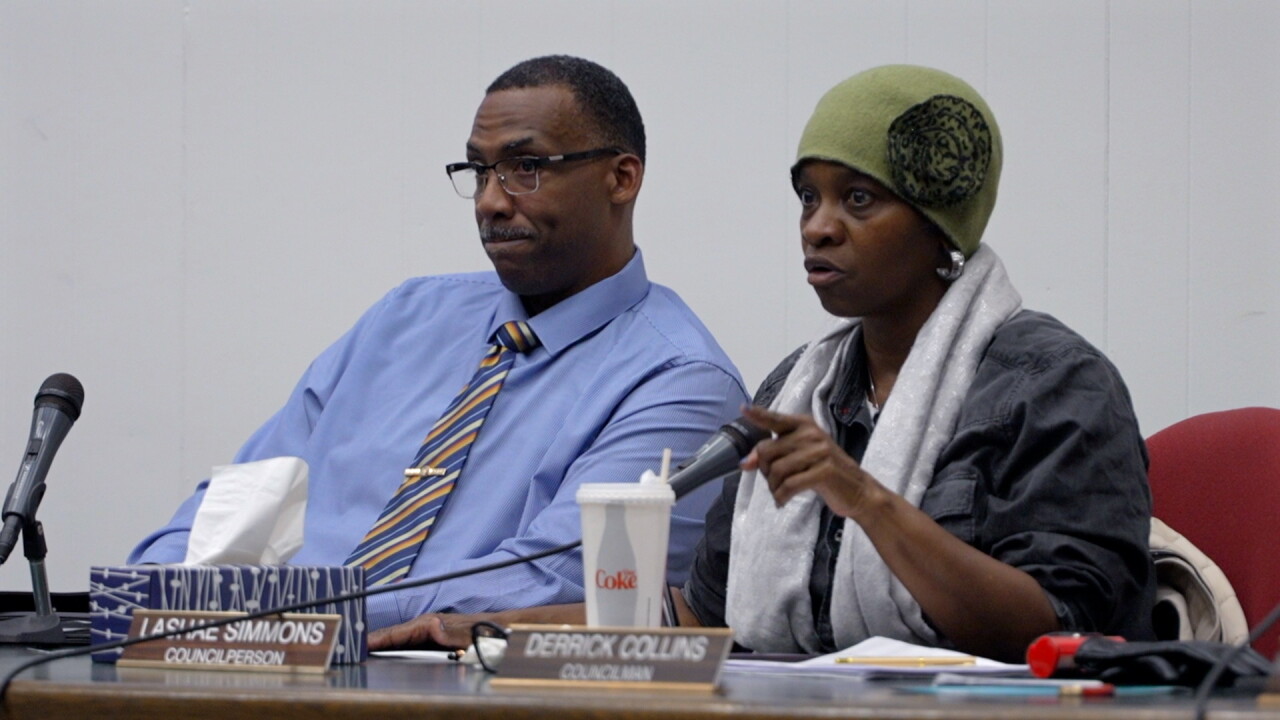
Councilperson Lashae Simmons said she would not support an increase without residents having a say.
“I am not going to support an increase on the citizens’ taxes at all, unless you all vote for it, and that is it,” Simmons said.
No final decision on the proposal was made Monday.
Leadership questions remain
Council members also spent part of the meeting discussing ongoing leadership issues at City Hall.
The council continued its search for an interim city manager and agreed to invite two potential candidates to appear before members at the Dec. 14 council meeting. A virtual option could be offered if necessary.
Council then returned to the status of the vacant mayor’s seat.
Members disagreed over how the city charter should be applied and whether former Mayor Bonnie McGlothin should receive a hearing related to the forfeiture of the office.
A motion to move the mayor pro tem into the mayor’s position failed for lack of support.
William Kitchen argued the charter gives council a role in determining whether the forfeiture should stand, while the city attorney maintained the dispute should ultimately be resolved through the courts.
Council did not resolve the issue Monday.
Meeting ends with business unfinished
Council later began considering a request for $38,620 in fiscal year 2027 senior millage funding from the Muskegon County Board of Commissioners.
During the discussion, Simmons said she planned to abstain from the matter.
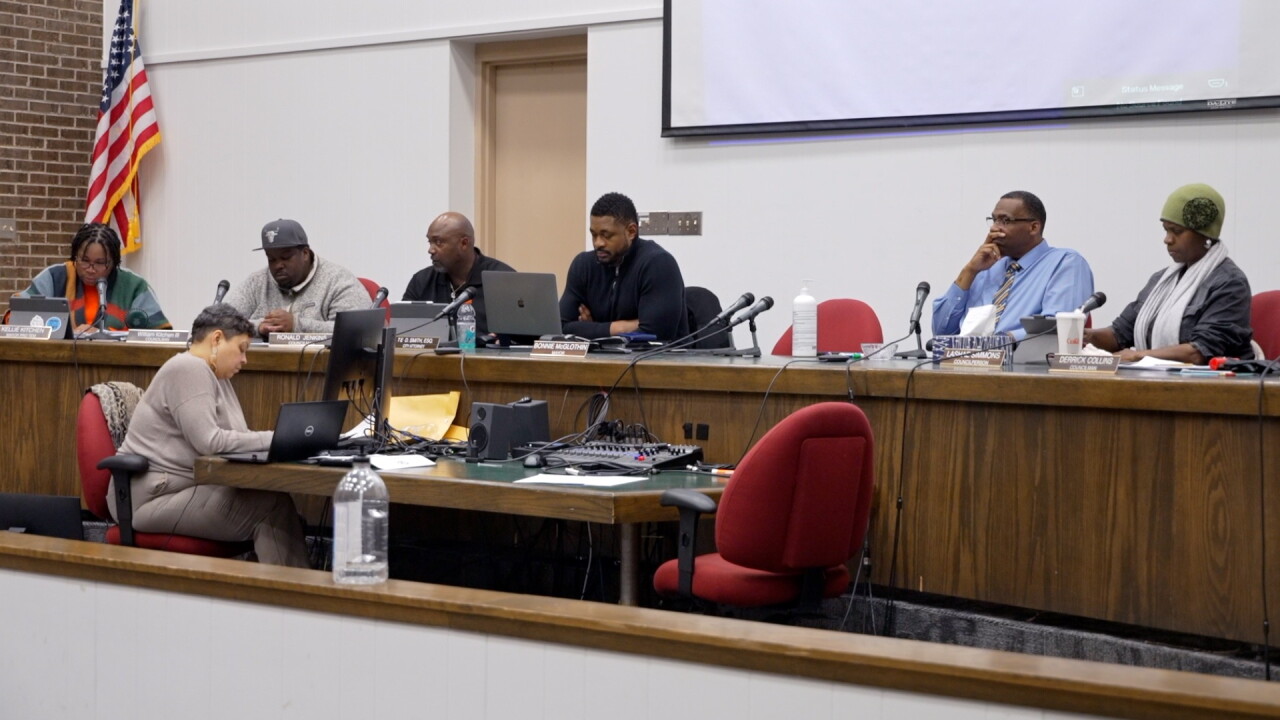
William Kitchen later left the building. With his departure, council no longer had the quorum required to continue conducting business.
That ended the meeting before council could reach its operating budget amendments or deficit elimination plan, with the Dec. 1 deadline approaching.
Another public hearing on the Public Act 33 proposal is scheduled for Tuesday, Nov. 24.
This story was initially reported by a journalist and has been converted to this platform with the assistance of AI. Our editorial team verifies all reporting on all platforms for fairness and accuracy.
