

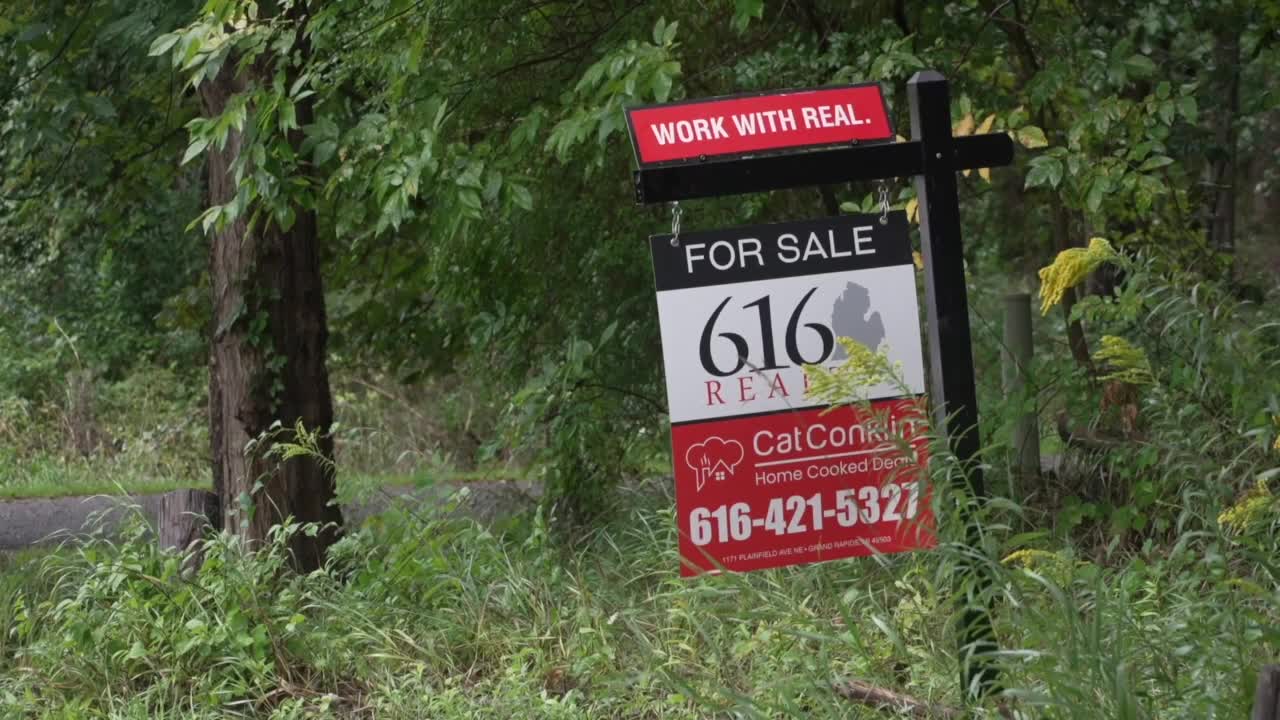


FOREST HILLS, Mich. — Mortgage rates have climbed again, reaching their highest level in 13 months and prompting both buyers and sellers to adjust their strategies in the local housing market.
The average 30-year fixed mortgage rate has risen to 6.71%, up from 6.66% the previous week, according to Freddie Mac, which tracks mortgage rates nationwide.
For real estate broker Cat Conklin of 616 Realty, who is selling a home in Ada, the rising rates mean focusing on more than just price.
"There's way more of a focus now on presentation and making sure, just getting people into the door," Conklin said. She explained that buyers are being more careful.
Why Rates Are Rising
Grand Valley State University economics professor Paul Isely attributes the rate increases to inflation concerns sparked by the Iran war.
"What's driving interest rates higher is a fear of inflation and that fear of inflation has happened because of the Iran war," Isely said.
The conflict has led to higher oil and gas prices, raising broader inflation fears that push investors to sell bonds, which in turn increases interest rates, Isely explained.
Rates were expected to drop to around 5.5% this summer, but the war changed that trajectory. "The combination of things, if where we expected to be and where we are now, is an extra $350 a month for someone paying a mortgage," Isely said.
Other factors also influence mortgage rates, including Federal Reserve policy, bond market activity, demand for mortgages, and what economists call "crowding out" — when government and corporate borrowing competes for available money, driving up interest rates for everyone else.
WATCH THE VIDEO STORY
Impact on Buyers
The rate increases have created a significant financial impact for homebuyers. "Compared to where we were in February and now, for a house that's $350,000, this is adding about 150 to $200 to what someone would pay in their mortgage," Isely said.
Sustained Demand Despite Higher Rates
Despite the climbing rates, buyer demand has remained relatively steady, driven largely by demographics. Isely points to millennials now in their 30s and 40s who are reaching the life stage where they want to own homes.
"We still have a lot of millennials, this big pile of young people who are now in their 30s to 40s. And they're reaching that point in their life where they'd really like to have a house," Isely said. Many have been unable to buy due to high prices and low supply, creating built-up demand.
Advice for Buyers
Ross Mortgage President Tim Pasquarella recommends buyers start with their budget rather than focusing on interest rates.
"The reality is, what payment do you want, and then based on your financial situation, what does that allow you to borrow, and then determine what you want to buy," Pasquarella said.
For those who can make the numbers work, Conklin advises not to wait.
"If you can make it work, getting in now, down the road is going to save you money," she said.
Isely warns that rates are unlikely to drop significantly in the near term. Even if geopolitical tensions ease, elevated prices and increased government borrowing are expected to keep rates higher than previously anticipated for the next two years.
This story was initially reported by a journalist and has been converted to this platform with the assistance of AI. Our editorial team verifies all reporting on all platforms for fairness and accuracy.

