



Surgeon Shortage
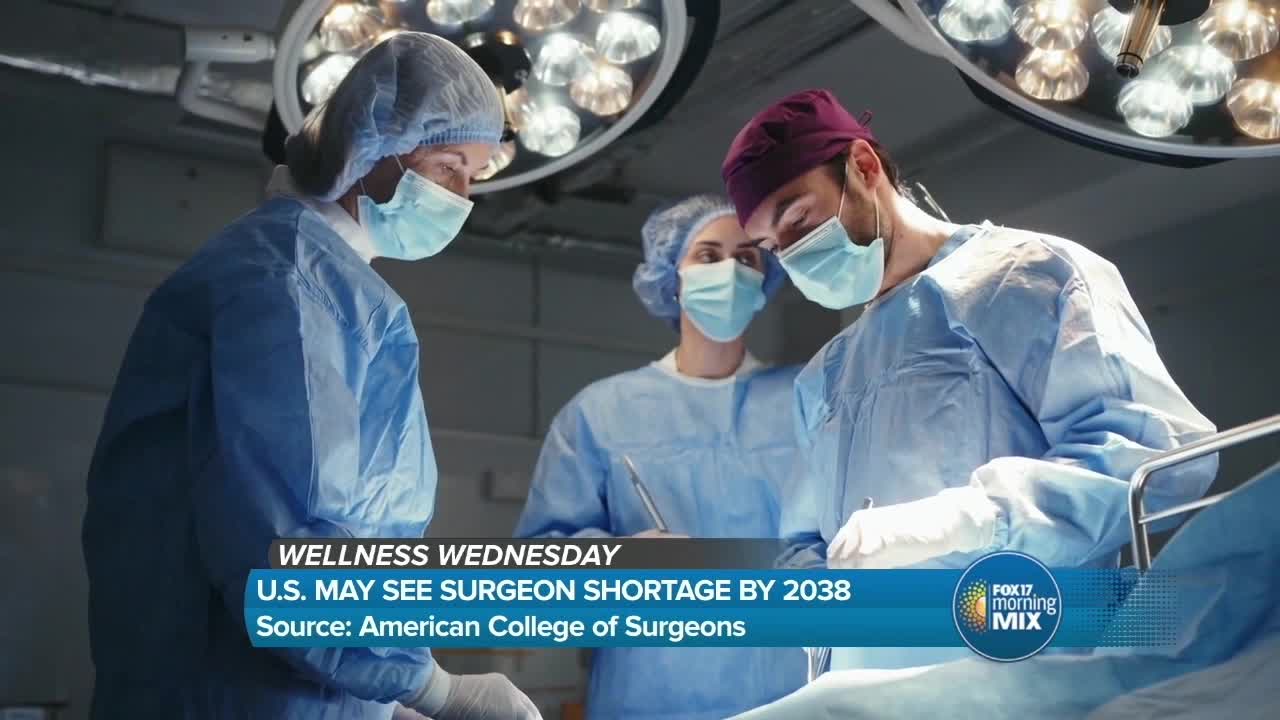
The US could be short nearly 28,000 surgeons by 2038, and researchers say rural communities will feel it first. A new report presented to the American College of Surgeons projects the supply of surgeons will drop about 4% over the next 12 years while demand climbs almost 13%. The biggest gaps are expected in vascular surgery, eye surgery, chest surgery and plastic surgery — with vascular meeting only about 66% of patient need. For patients, that translates to longer waits and longer drives to get care. One potential fix is a bill in Congress that would train more surgical residents and offer loan forgiveness to doctors who practice in rural areas. The number of training slots hasn't changed since 1997.
Deli-meat Dangers?
That daily sandwich may deserve a second look. A new review from 27 researchers found that eating about 25 grams of processed meat a day, roughly one or two slices of deli meat, was linked to a 44% higher risk of dementia and a 52% higher risk of Alzheimer's. The work looked at dozens of studies, including one tracking 500,000 people in the U.K. Researchers say ultra-processed foods now make up about 55% of the average American's daily calories, and swapping out just 10% of them for whole foods could lower dementia risk by nearly 20%. Important caveat, though: this is observational research, so it shows a link, not proof of cause.
Grip Strength as a Health Indicator
Your handshake might say more about your health than you'd think. Doctors are increasingly using grip strength as a kind of vital sign, a quick test with a squeeze device that takes just a few minutes. A weak grip is linked to higher risk of heart disease, type 2 diabetes, stroke, osteoporosis and dementia. One University of Michigan researcher says it predicts cardiovascular disease even better than blood pressure. The point isn't to see who's strong; it's to spot who's at risk of frailty, falls and losing independence as they age. But here's the catch — squeezing a tennis ball all day won't fix it. Your forearms are just a window into total body strength, so doctors say the real answer is full-body strength training.
