



1 in 4 U.S. moms claim to have "excellent" physical and mental health
According to a new study, only one in four moms in the U.S. say they have "excellent" physical and mental health - and that number is dropping.
Research looked at nearly 200,000 mothers and found a significant decline in self-reported mental health between 2016 and 2023, with physical health also slipping. The biggest impact was seen among single mothers, those with lower educational attainment, and families with public insurance, but declines were seen across all backgrounds.
Experts say factors like social isolation, limited access to mental health care, and everyday stressors from inflation to safety concerns may be taking a toll.
Last year, the U.S. Surgeon General even called parental stress a public health issue, reminding us that when parents struggle, kids feel it, too.
Stopping weight loss drug? Weight may be gained back
Many people who stop taking popular weight loss drugs may gain the weight back within two years, according to new research. A review of more than 30 studies found that weight regain happens faster after stopping GLP-1 medications than after diet and exercise-based weight loss.
Experts say this doesn't mean the drugs don't work, but rather highlights that obesity is a chronic condition that often requires long-term management. When medications are stopped without lifestyle changes, appetite can return quickly, making overeating more likely.
Researchers emphasize the importance of a comprehensive approach that includes nutrition, movement, and behavioral support.
Strength training also matters, since some of the weight lost on these drugs can be muscle, especially for adults over 65.
Movement releases "good" chemicals
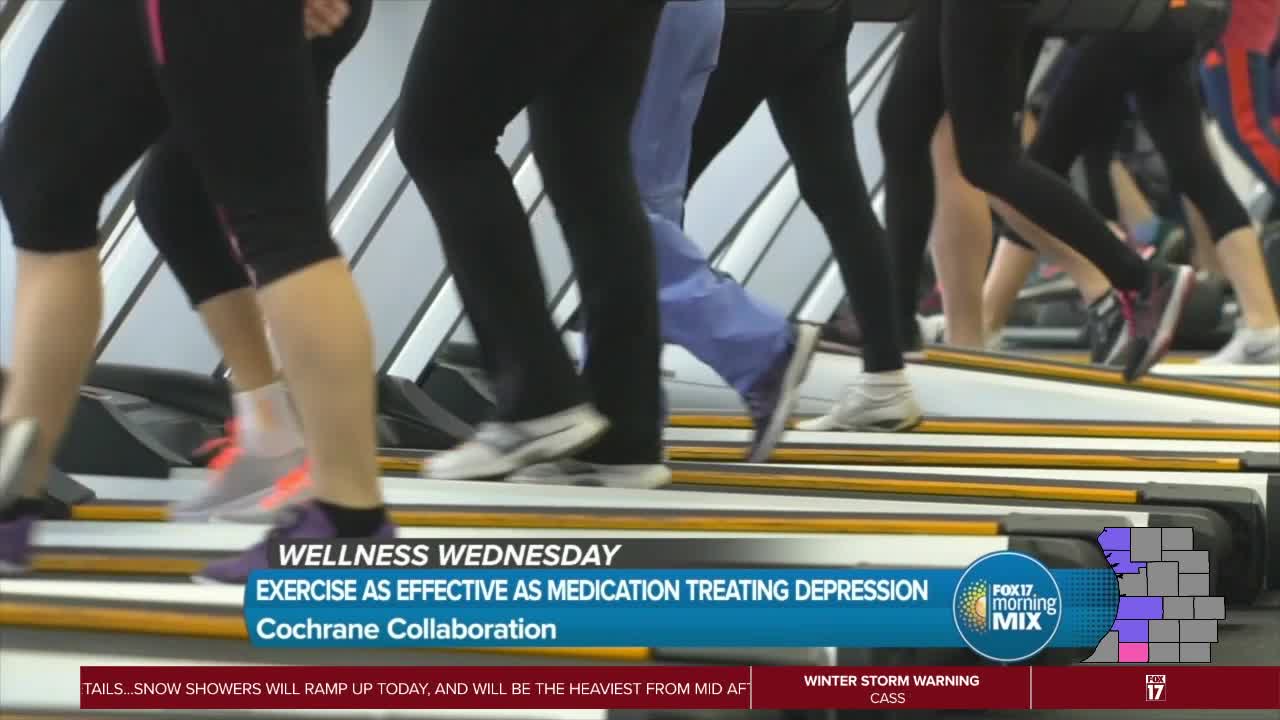
Feeling a mood boost after moving your body? Science says you're not imagining it. A major review of more than 70 studies found that exercise can be just as effective as medication or therapy for relieving symptoms of depression.
Movement helps release feel-good chemicals like serotonin, dopamine, and endorphins, and helps the brain become more adaptable and resilient. You don't have to go hard on exercising to feel it, though! Even light to moderate exercise like a daily walk can make a difference.
Experts say a mix of aerobic activity and strength training works best, but the key is starting small and staying consistent.
Follow the FOX 17 Morning Mix on: Facebook, Instagram, & TikTok
