

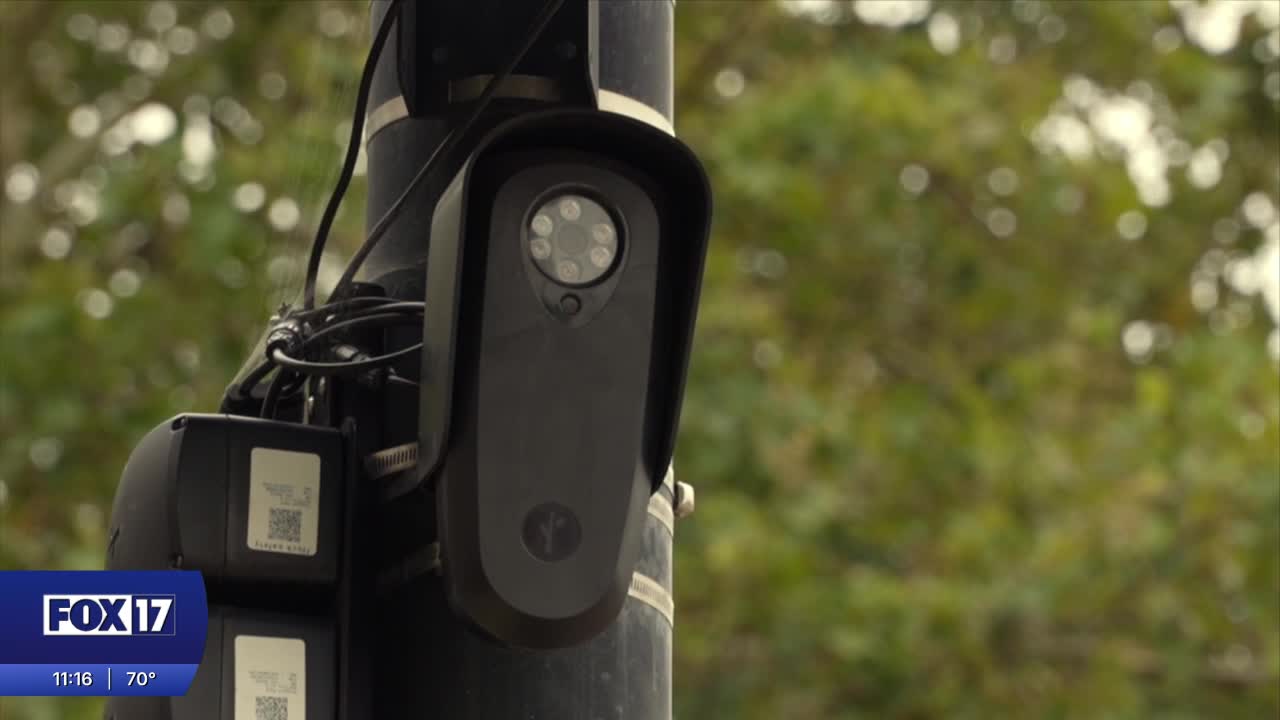


HOLLAND, Mich. — Holland's Department of Public Safety presented details about its automatic license plate reader system — known as Flock cameras — to city council during a study session Wednesday night, as more than a dozen residents voiced concerns about privacy and data security during public comment.
WATCH: Holland City Council hears presentation on license plate reader cameras amid privacy concerns
Mayor Nathan Bocks said the presentation was an opportunity for council to get informed.
"There's been a lot of discussion in the community, I think in the nation as a whole, and council members said, 'We would like to have a discussion about this,'" Bocks said.
Residents who spoke during public comment raised concerns about privacy and the pace at which the city could move forward with the technology.
"I find it to be really concerning because I care that everybody's privacy should be protected to some degree, even though we're out there in public," one neighbor said.
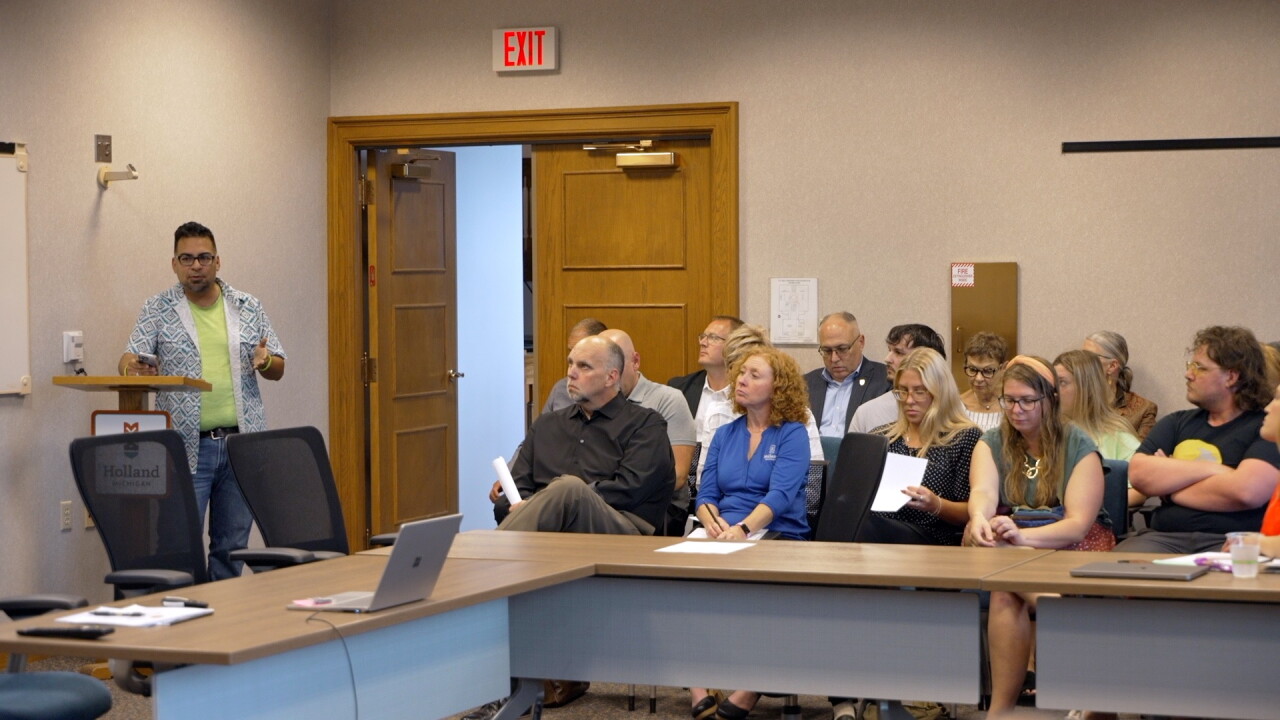
"I think we need to put a serious pause on this and talk about regulations and safety guardrails before we move forward with this at all," another resident said.
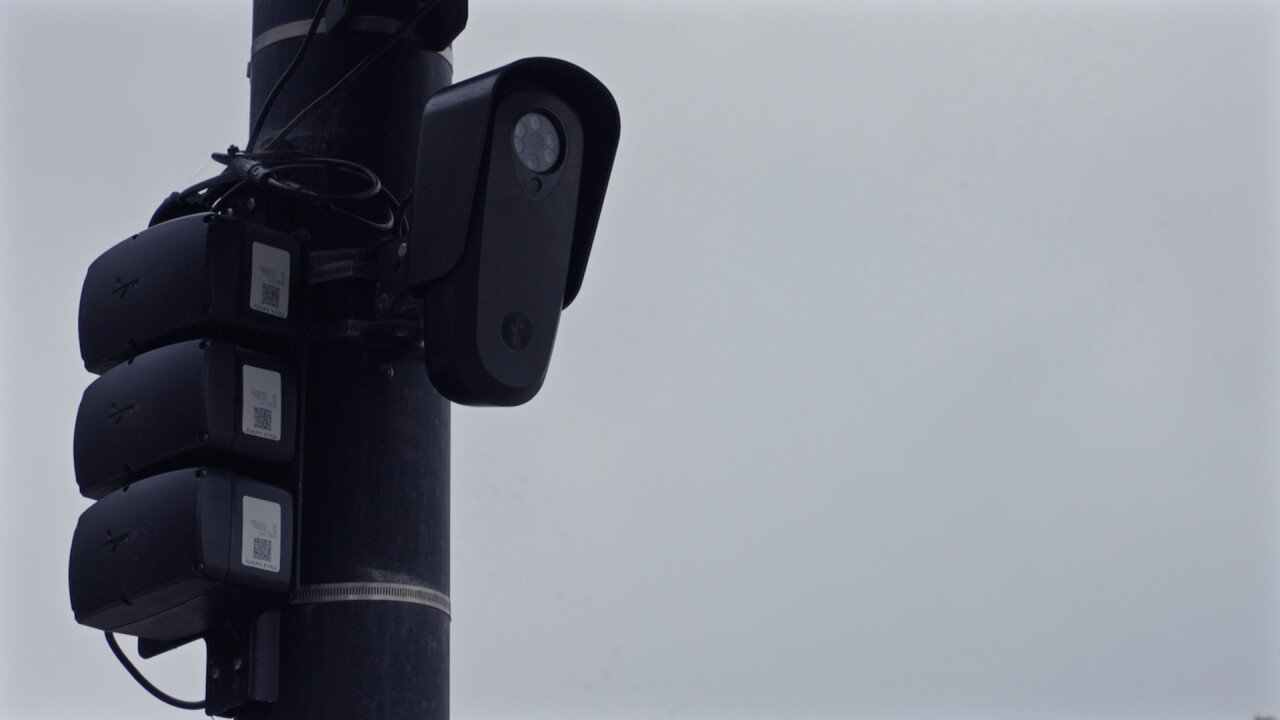
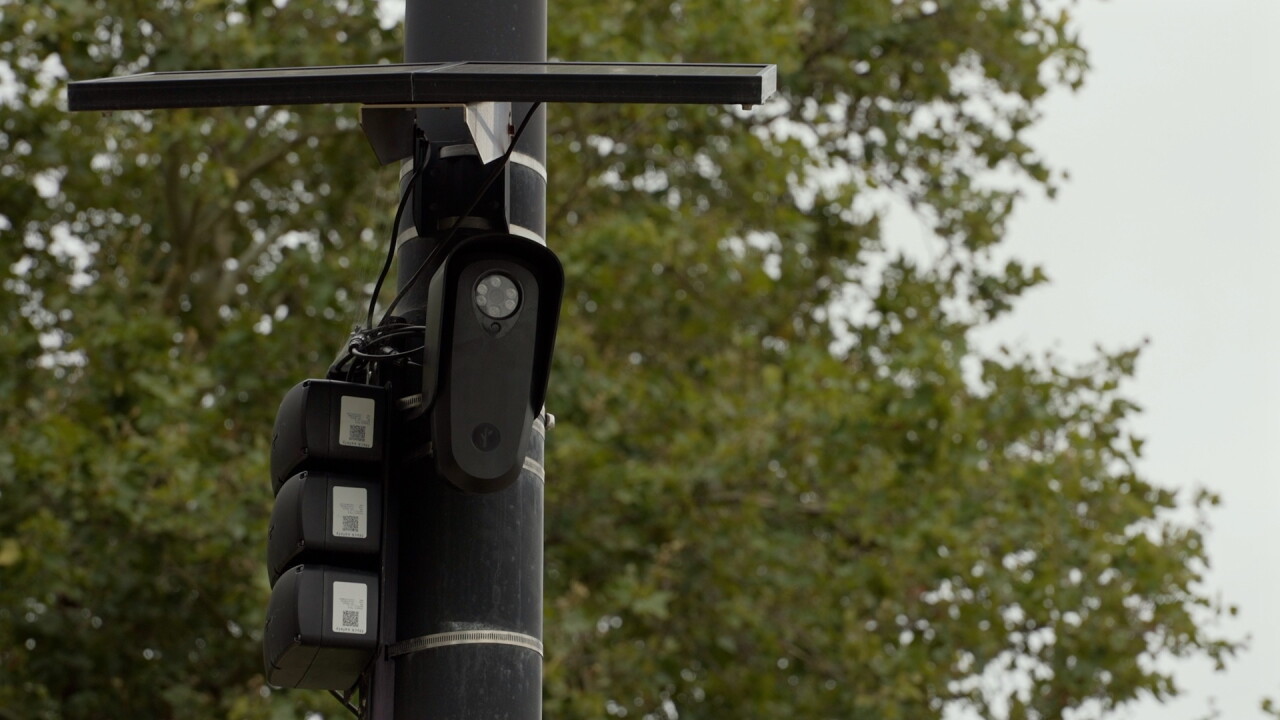
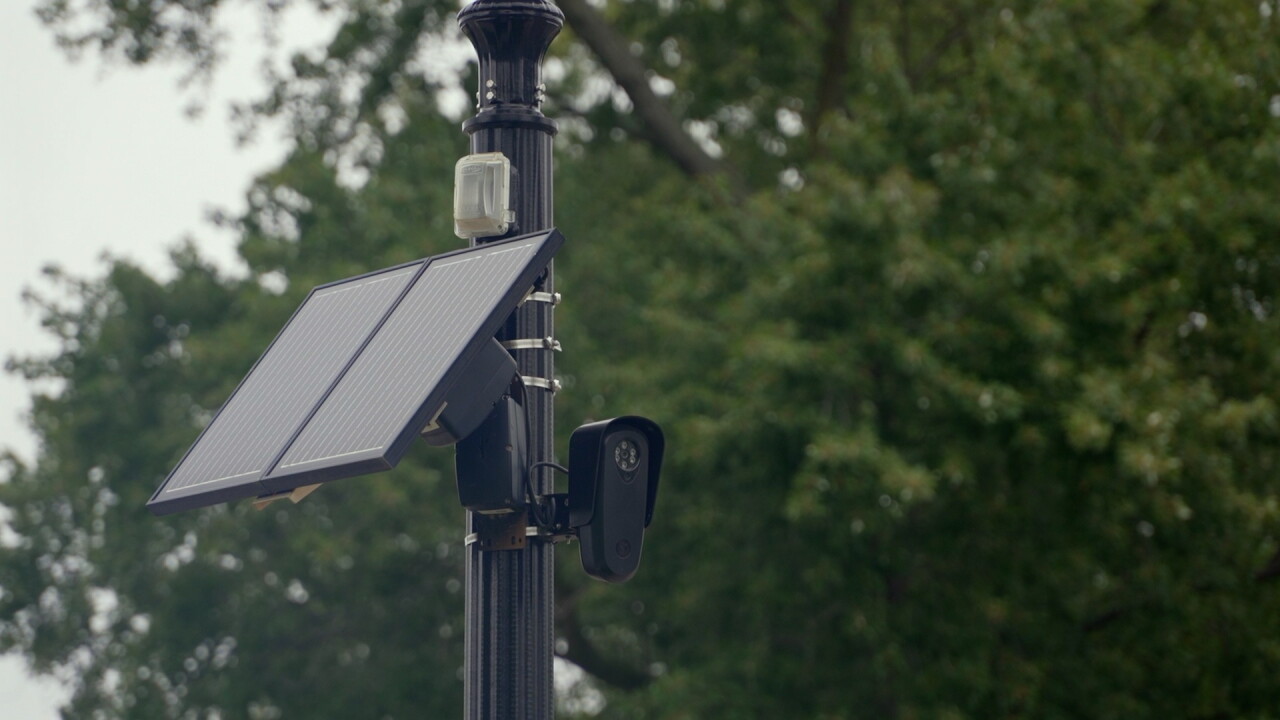
The Department of Public Safety said it has 21 Flock cameras installed at key entry and exit points throughout Holland, placed there in 2022. The city's Transportation Department also has a Flock camera for security purposes, which Chief of Public Safety Matt Messer said is not "necessarily hooked up to our system."
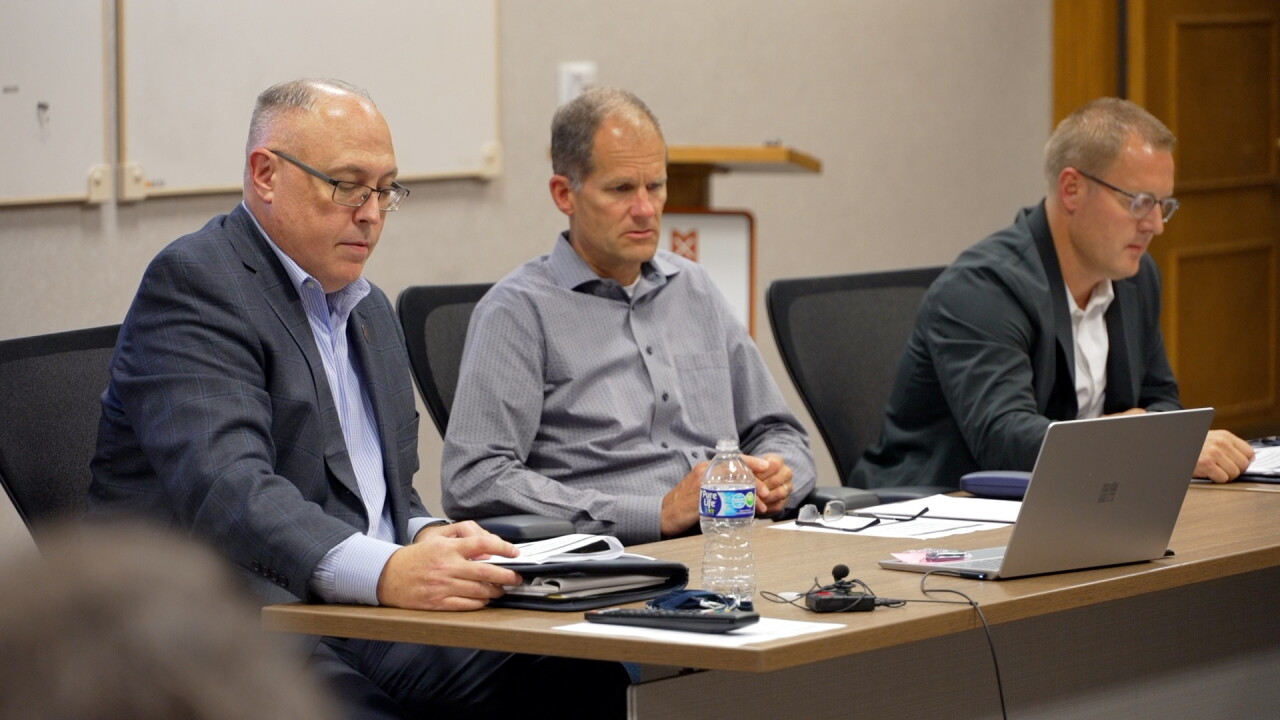
Messer, along with Keith Mulder, Captain of the Patrol Division, and Kris Haglund, Captain of the Criminal Investigation Division, broke down what information the cameras can and cannot provide to law enforcement, and how the system is used to solve crimes and keep residents safe.
Messer said the cameras are limited in scope by design, but said the system has yielded measurable results in cases ranging from retail fraud and hit-and-run accidents to breaking and entering, criminal sexual conduct, murder investigations, and locating missing and endangered persons.
"Based on our experience with the investigative benefits of the ALPR system, there is no doubt that our community is safer for citizens and officers. And the ALPR has also increased our ability to solve crimes, has improved overall efficiency. No doubt about it," Messer said.
Messer said the cameras capture still images only and are focused on vehicles, not people.
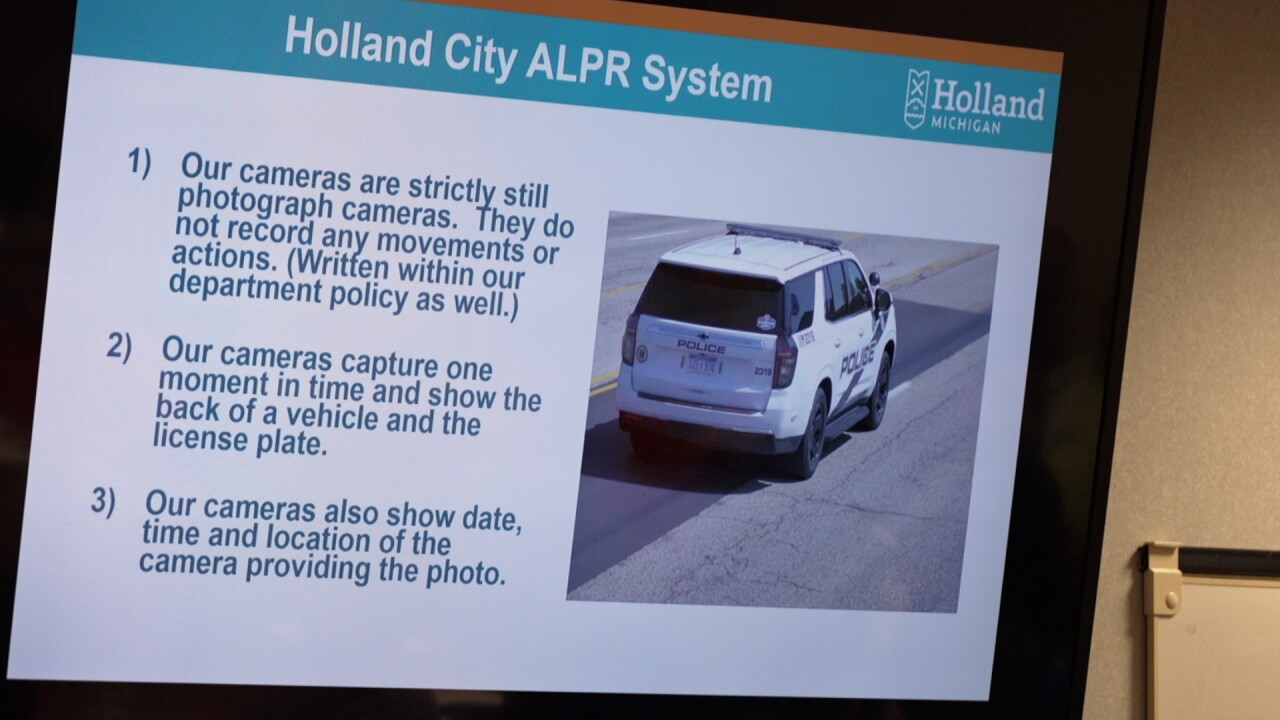
"Our cameras are strictly still photography cameras. I specifically set them up that way in the very beginning, and I can go through what they don't do. They do not record any any movements or actions," Messer said.
Messer said the system does not collect a range of personal data.
"Does not provide GPS data or tracking information. Does not use facial recognition technology. It does not continuously track an individual's movement. It does not use data to issue traffic tickets. Does not capture demographic data. Does not capture cell phone information or IP address data. It does not provide immigration information or status. Our cameras have never done that, nor will they do that in the future," Messer said.
Mulder explained that searches within the system are tightly controlled and tied directly to active investigations. Vehicles checked in the system are very limited and specifically selected based on information gathered by officers and detectives during a lawful investigation. Officers and detectives collect information — which might include a license plate or a vehicle description — and use that to query the ALPR system.
Mulder said every search must be connected to a case involving criminal activity, a wanted suspect, or a missing person, and that each check requires justification by entering a complaint number that ties it to a case and documents a lawful reason for the search. He added that all checks are fully tracked, subject to audit, and that the department conducts those audits to ensure proper use.

When it comes to data sharing, Mulder and Haglund said the department limits distribution to law enforcement agencies only — not federal agencies.
"We're willing to share with law enforcement agencies in Michigan, in bordering states, and also Texas, because that's one of our interests. The states that we see a lot of our drugs that are coming from Texas into Holland," explained Haglund.
Messer said the department made deliberate decisions from the start about how the system would be used and who would have access to its data.
"Right from the very beginning, we chose not to share or receive information from immigration. That's what went from the very beginning, we chose that. Day one when we implemented it, we chose that, and that stayed in place," said Messer.
On the question of data breaches, Haglund cited the department's local Flock representative.
"When it goes from our system into the cloud, he said, Flock is contractually obligated to never sell your data, so HPD's data. It's a violation of over 6,000 contracts if they did. It's automatically deleted on a rolling 30-day hard delete all metadata and images, which is date, time, images, not recoverable," Haglund said.
Messer said transparency is a top priority for the department, which is why it is in the process of establishing a public transparency portal.
"That will allow the public to see statistics about our use of the system, the reason for each specific search, and the audit oversight procedures that we use," Messer said.
Messer summed up the system's value in straightforward terms.
"If you're a victim of a crime or a missing person, this system's your best friend. It really is. It is your best friend. It helps us a lot. If you commit a crime, it's your worst enemy, no doubt about it," Messer said.
This story was reported on-air by a journalist and has been converted to this platform with the assistance of AI. Our editorial team verifies all reporting on all platforms for fairness and accuracy.
