




GRAND RAPIDS, Mich. — An honorable discharge from the U.S. military gives veterans full access to various benefits provided by the Department of Veterans Affairs, including healthcare.
But for almost all of our country's history, veterans who received a less than honorable discharge due to bad behavior have been unable to access the full scope of these benefits, even if their behavior was caused by a mental health condition.
Ten years ago, this all changed with the Fairness for Veterans Act, a law written by Michigan Sen. Gary Peters that was inspired by a Grand Rapids veteran.
"We have an obligation as a country to stand behind those who've stood on the front line for us," Sen. Peters said to FOX 17 News. "We should do everything we can to make sure they can transition into civilian life, and live a comfortable life that can take care of their families and provide for their future."
After a Marine who served in Afghanistan received a less than honorable discharge — a designation that came by way of bad behavior brought on by a pair of traumatic brain injuries — he was unable to receive the medical and mental health treatment he needed and fell on misfortune.
Patrick was his name. He was homeless, living on the streets of Grand Rapids, and went to the West Michigan Veterans Assistance Program to find a place to stay.
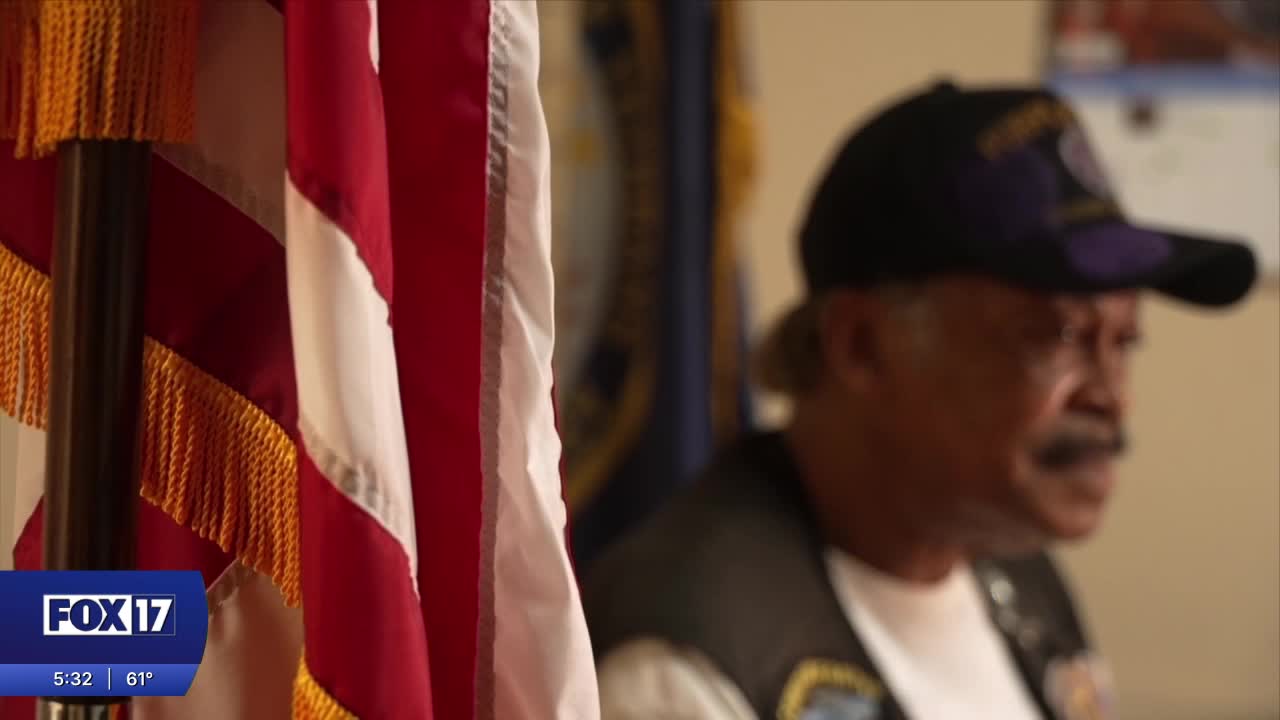
"He had issues," said Thornell Billingslea, vice president with the WMVAP. "There's a lot of them like Patrick. They don't know what to do. They wait years and years and years (for assistance)."
Billingslea took Patrick's story to Peters, and one man's life led to legislation.
The Fairness for Veterans Act directs the Department of Defense to "give liberal consideration to petitions for changes in discharge status to honorable if the servicemember has been diagnosed with PTSD, TBI or related conditions in connection with their military service," according to Peters' office.
By way of this law, the office says 21,000 veterans across the country have earned access to veteran benefits for the first time.
Patrick was one of those people. According to Billingslea, he's now living in Louisiana and is "doing well."
"People need to make sure that their voices are heard," Peters said. "When they are heard, that can lead to substantial change."
During his time in office, Peters has also played a role in the Support for Veterans in Effective Apprenticeships Act — which made apprenticeship programs more accessible to veterans — and the PACT Act — which provided healthcare and benefits to veterans who were exposed to burn pits, Agent Orange, radiation, and other toxic substances.

Kent
An end to veteran homelessness in Kent County
Whether it be for PTSD, TBIs or exposure to burn pits, Billingslea says treatment options are often available to veterans — including those who may have been wrongly given a less than honorable discharge — if they're willing to seek it out through the VA.
"If you serve and you get to a point in your life that you need and can't afford to pay for an operation or your medication, even though you put together a pretty good life, you should be given healthcare," Billingslea said. "That's what we owe them."
To learn more about how apply for benefits through the VA, click here.
To learn more about how apply for a discharge upgrade through the VA, click here.


