



Weight loss drugs linked to mental health decline
A new study out of South Korea is raising concerns about the mental health side of popular weight-loss drugs like Wegovy and Mounjaro. Researchers at ASAN Medical Center looked at nearly 28,000 adults and found people taking weight-loss medication were nearly twice as likely to report depression as non-users, and almost three times more likely to report suicidal thoughts. The risk was even higher among those who regained weight after stopping the drugs.
Researchers say it is likely due to a mix of the medication's effects on the brain and the psychological toll of feeling like treatment failed. Despite the findings, demand isn't slowing, with Mounjaro topping 1.5 million prescriptions in South Korea in just 10 months, with most of them among people in their 20's and 30's.
Doctors advice anyone under these medications should keep an eye out on their mental health alongside physical results.
Small studies finding possible benefits from nicotine molecule
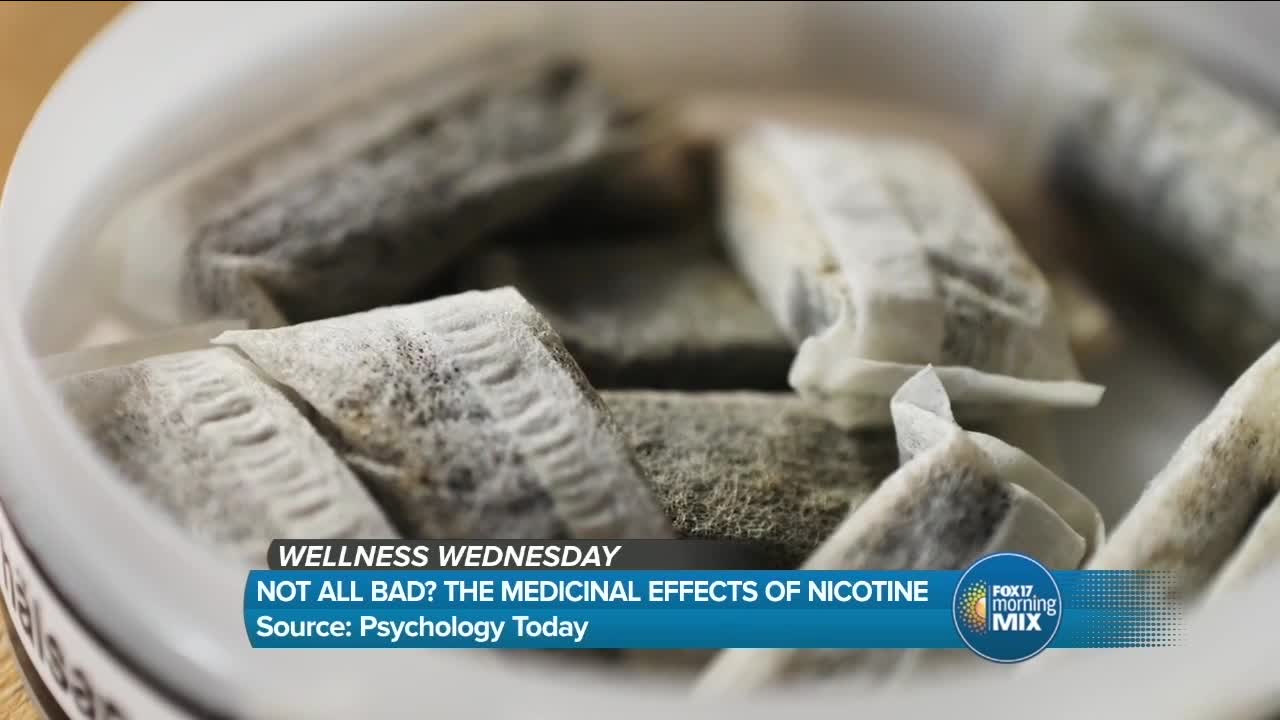
Nicotine has a rough reputation because of its tie to cigarettes, but researchers are finding that the molecule itself, separate from smoking, may have surprising brain benefits.
Small studies have linked nicotine patches to improvements in depression, attention, and even tic severity in tourette's syndrome, and research is also looking at potential effects on conditions like Parkinson's, ADHD, and memory decline. Experts stress that most of this research is early and based on small groups of people with mixed results, so it is not a green light to use nicotine casually.
Even so, use still comes with risks including nausea, insomnia, and addiction risk. While the science may be intriguing, experts say more data is needed.
One alcoholic drink a day may increase cancer death risk
A new study in the Lancet is putting a hard number on something doctors have been warning about for years: alcohol and cancer risk. Researchers found the share of cancer deaths linked to alcohol has doubled over the past 33 years, with yearly alcohol-related cancer deaths in the U.S. more than doubling since 1990.
One standard drink a day was enough to raise risk for cancers including breast, colorectal, liver, and head and neck. Men and adults over 55 saw the biggest jump, but researchers say women and younger adults face higher risk per drink.
Science has show there is no "safe" amount of alcohol, and while researchers aren't suggesting to quit entirely, even cutting back a little makes a real difference.
Follow the FOX 17 Morning Mix on: Facebook, Instagram, & TikTok
