



Sad music makes you feel better
We've all done it where we've had a rough day and put the saddest playlist on. Researchers think they now know why that works: a study out of Durham University in the U.K. and the University of Jyvaskyla in Finland surveyed over 2,400 people and found melancholy music mostly triggers three things - pleasure, comfort, and pain, usually tied to the memories the song brings back.
Scientists say there's chemistry behind it as well, as music releases dopamine at those big emotional peaks, and some research links sad songs to a hormone that helps the body blunt grief.
A caveat, however, is that this not applicable to everyone.
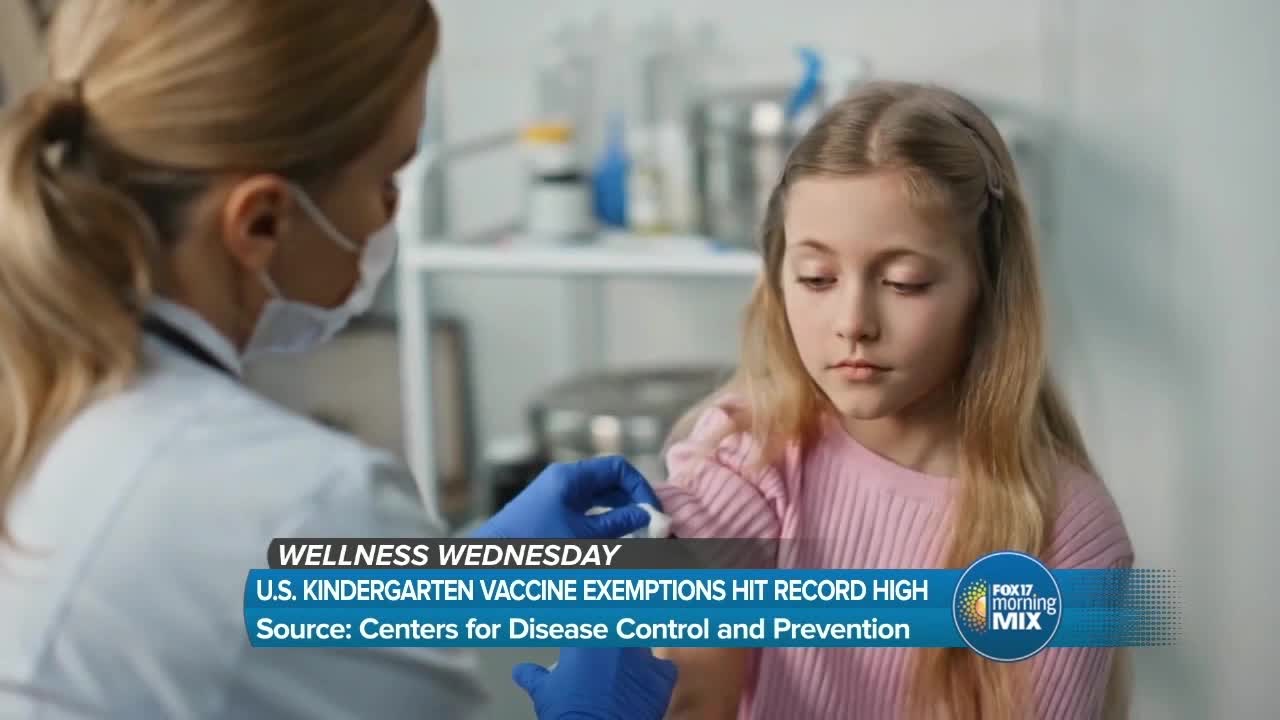
Vaccine exemptions in U.S. kindergartners reaches high
Vaccine exemptions among U.S. kindergartners just hit a new high, up 4.2% in the 2025-26 school year, which is up from 3.6% the year before. That's about 155,000 kids with an exemption from at least one required vaccine, according to new CDC data, and the rate went up in 41 states including Washington D.C.
At the same time, coverage slipped for every childhood vaccine tracked nationally, now sitting around 92%. That matters, because public health officials say you need to close 95% to keep measles from spreading, and nearly half of states are now above a 5% exemption rate.
The data also found roughly 280,000 kindergartners started school without paperwork showing they completed the MMR series.
Helper T cells may be linked to aging
Scientists may have found one reason some people make it past 100, and it comes down to a rare kind of immune cell. New research out of Japan found that around age 100, certain Helper T cells transform into killer cells that hunt down damaged and cancerous cells before they can do harm. In people in their 70's through 90's, those cells made up about 4% of the sample. In centenarians, nearly 10%, and in people past 110, more than 17%.
Immune aging may not be purely a story of decline, the body may keep adapting even in extreme old age. The study also looked at just 28 people all living in Japan, so there is much more work to do.
Follow the FOX 17 Morning Mix on: Facebook, Instagram, & TikTok
