



Rheumatoid Arthritis treatment available in Michigan through wireless implant
A new treatment for rheumatoid arthritis is now available in Michigan, and it's not a pill. It is a wireless implant about the size of a multivitamin placed on the vagus nerve in the neck. It delivers one minute of electrical stimulation a day, usually when the patient sleeps, to activate the body's natural response to inflammation.
A neurosurgeon at Henry Ford Health in Detroit performed the state's first commercial implant last month. The procedure is outpatient, takes about an hour, and patients go home the same day. In clinical studies, about half of patients reached low disease activity or remissiona fter one year.
It is approved for adults with moderate to severe RA who have not found relief with medications.
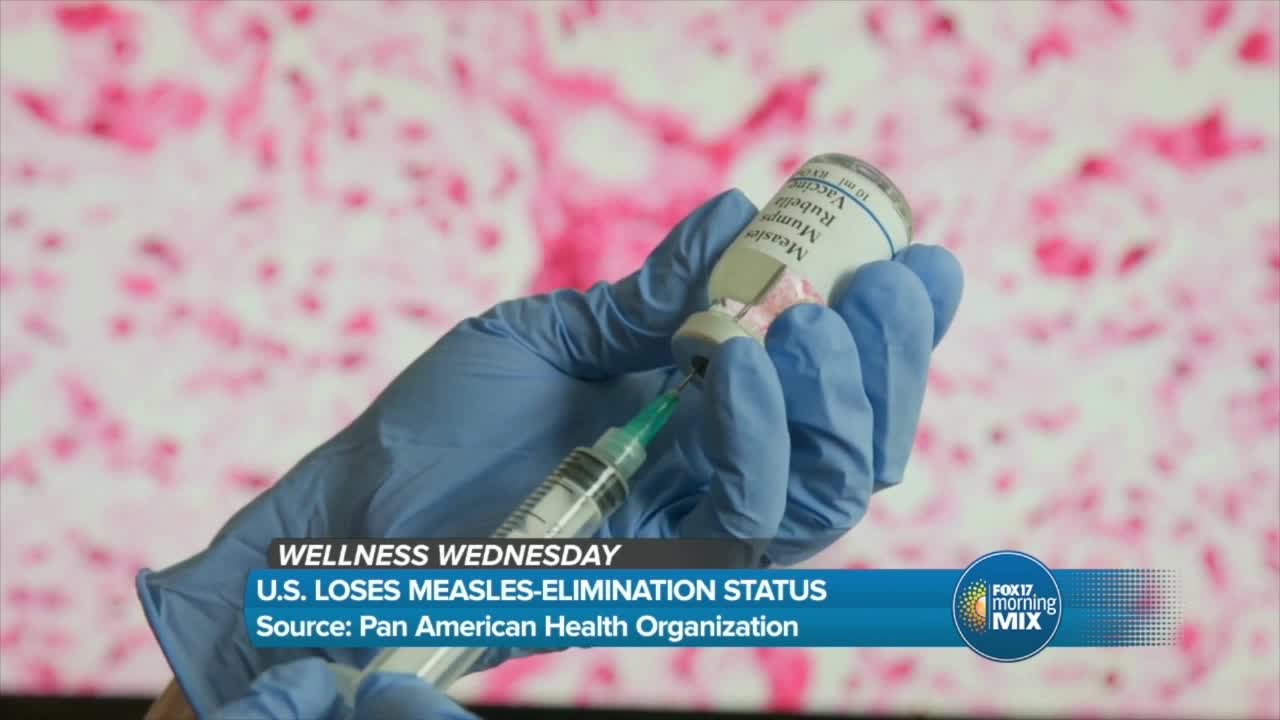
U.S. loses measles elimination status
The United States has lost its measles elimination status. An international health body revoked it after outbreaks exploded to levels not seen in decades, with over 5,400 cases this year alone. The country held that status since 2000.
Pennsylvania, New York, and Wisconsin have reported five measles deaths this month alone from separate outbreaks. Public health experts point to falling vaccination rates, with MMR coverage among Kindergartners sliding to 92%, below the 95% needed to keep the virus from spreading.
To get the status back, the U.S. would have to stop the spread entirely for a full year.
Brain wave cleanup slowing down in older adults during sleep
While we sleep, our brains do some housekeeping, and new MIT research finds that cleanup slows down as we age.
During deep sleep, waves of spinal fluid wash through the brain and carry out waste. Researchers scanned volunteers in two age groups and found those waves were significantly smaller in older adults, and not because they are sleeping less. It was tied to weaker, slow brain waves and blood vessels that don't respond as readily as they once did.
Some older participants, however, had brain waves in line with healthy young adults, and researchers want to know why.
Follow the FOX 17 Morning Mix on: Facebook, Instagram, & TikTok
