

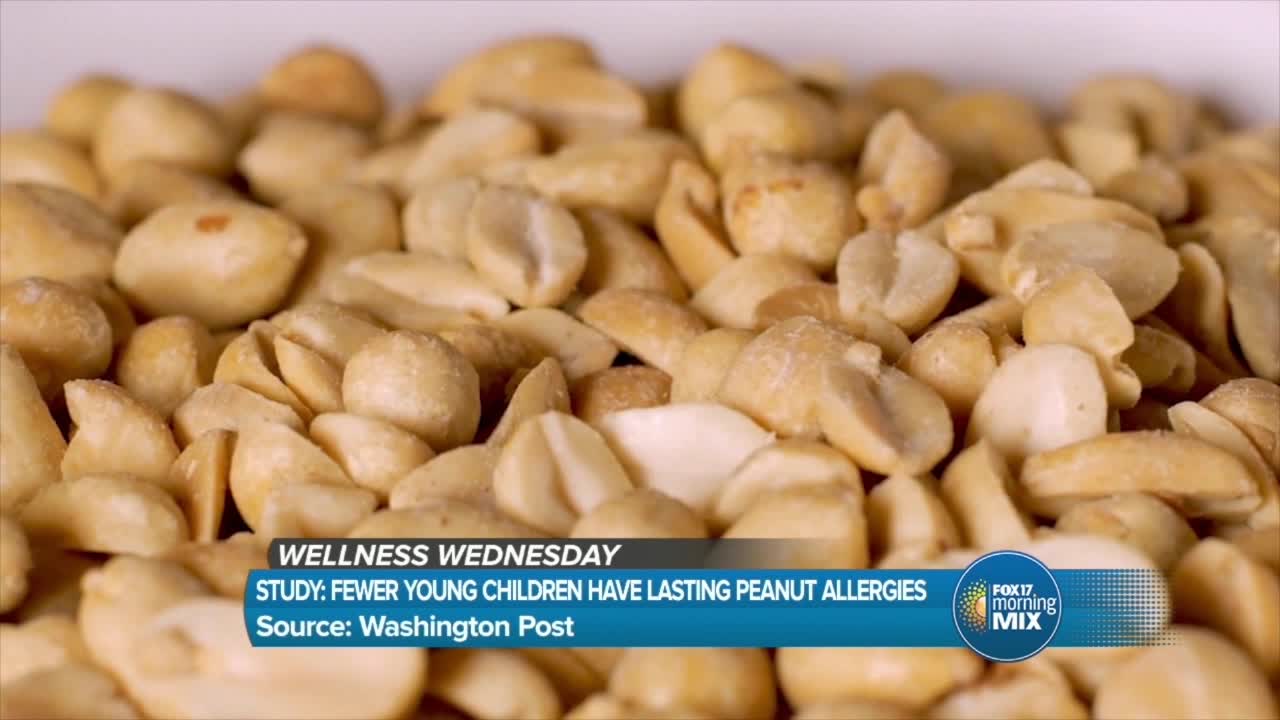


Fewer children may not have lasting peanut allergies
A new study suggest fewer young children have lasting peanut allergies than we thought. Researchers in Australia re-tested nearly 800 infants who had already been diagnosed, giving them gradually increasing doses of peanut butter under medical supervision. About 35% turned out to not be allergic at all.
12% of infants did have a severe reaction. Nobody was harmed, and doctors stress this is never a test to try at home. However, this all follows a big shift in thinking over the last decade. Doctors now encourage introducing peanuts early, and peanut allergy cases in the United States have already dropped sharply.
If you have questions about your own child's diagnosis, talk to your pediatrician or an allergist.
Cold showers may bring health benefits
A psychologist at the University of Basel in Switzerland asked over 700 people to shower as cold as their plumbing would allow for 12 weeks, and the results were surprising!
Participants said they felt more awake and better overall, both mentally and physically, and on average, they took 31% fewer sick days than the control group. There's a financial upside, too: people spend less time in the shower, and the water doesn't have to be heated, so utility bills drop. The researcher's advice is not all or nothing. Even turning down the dial a little helps, and it doesn't have to be the same every day.
Be sure to listen to your body, and if you have any health concerns, check with your doctor first.
Colon cancer tumors appear differently than in older patients
Researchers in Boston studied nearly 200 colon cancer tumors from patients of all ages, and found that tumors in younger patients look different under the microscope.
They contain more of the supporting tissue that surrounds cancer cells, something that makes chemotherapy less effective. They also showed signs that could help the cancer spread faster, which may explain why the disease is often more aggressive and common in young adults.
Researchers say there is still a lot to learn, but this gives them a starting point for better treatments. In the meantime, screening starts at age 45, or earlier if it runs in your family.
Follow the FOX 17 Morning Mix on: Facebook, Instagram, & TikTok
