


New study found CTE in 25% of deceased NFL players
A new study in the BMJ finds at least a quarter of former NFL players who died between 2016 and 2021 had CTE — the degenerative brain disease linked to repeated head impacts. Researchers examined the brains of 235 former players and found the disease in 215 of them. The lead author says 25 percent is the low end of the range — the true number could be much higher — and calls it a wake-up call, noting CTE shows up in less than one percent of the general population. The study also tied the disease to dementia: more than 60 percent of donors with CTE met the criteria, and among those with the most advanced stage, it was over 90 percent. The league says it continues working to make the game safer and reduce head impacts. The players association called the findings a sobering reminder — and a call to action for everyone in football.
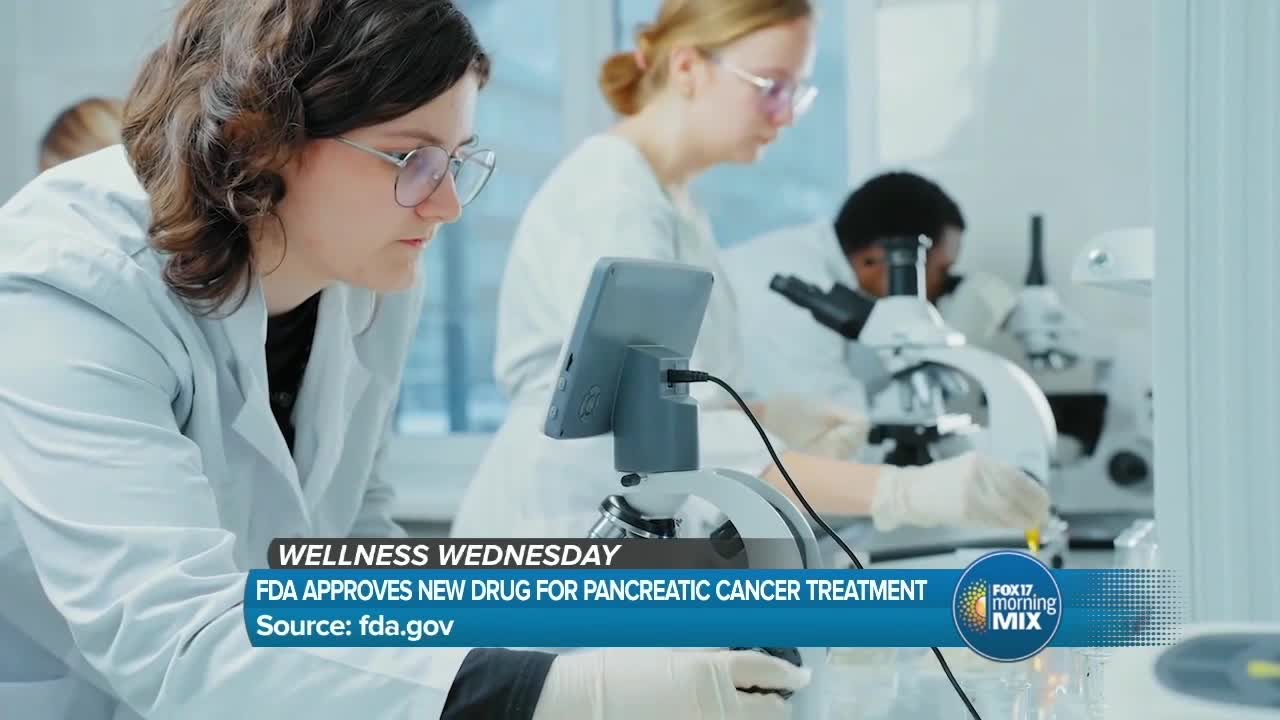
New pancreatic cancer drug approved by the FDA
The FDA has approved a new pancreatic cancer drug that hits a target scientists spent decades calling impossible. The drug — daraxonrasib, sold as Rasonque — is taken as two pills a day and goes after a mutated protein called K-RAS, which fuels nearly all pancreatic cancers and many lung and colon cancers too. For years, researchers couldn't find a way to grab hold of that protein — now that they have, the floodgates are open. There are at least 79 similar drugs in development across more than 230 clinical trials worldwide, with drugmakers like Pfizer, Eli Lilly and Amgen all in the race. One oncologist compared the moment to the arrival of immunotherapy 15 years ago. The challenge ahead — these drugs eventually stop working as tumors adapt, so researchers are already testing them in combination with other treatments.
Xylitol linked to higher risk for heart attack and stroke
An artificial sweetener found in everything from sugar-free snacks to chewing gum and toothpaste is drawing new scrutiny. Researchers tracked nearly 18,000 people and found those with the highest blood levels of xylitol had a higher risk of heart attack, stroke and death — 57 percent higher in one study group, 18 percent in another followed for 30 years. The risk appeared to climb right along with the levels in their blood, regardless of age, weight or blood pressure. Here's the important caveat — this is observational research, so it shows a connection, not proof that xylitol causes the problem. Nutritionists say nobody should overhaul their diet over a single study, especially people managing diabetes. But if you have heart risk factors, it's worth a conversation with your doctor — and the researchers say more study is clearly needed.
Follow the FOX 17 Morning Mix on: Facebook, Instagram, & TikTok
