

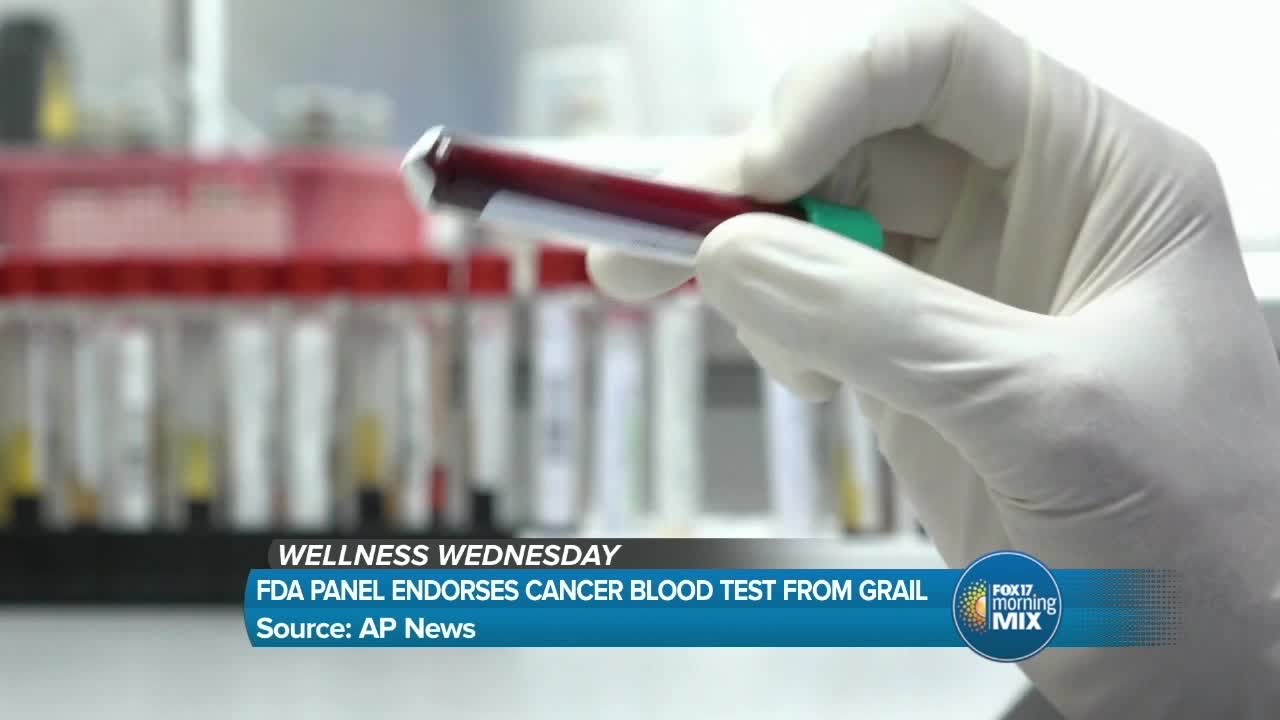


Blood test for cancer screening nearing FDA approval
An FDA panel has backed a blood test that screens for signs of over 50 different cancers, including many such as liver and ovarian that have no routine screening at all.
The vote was seven to two in favor for adults 50 and older, though advisers raised plenty of questions along the way. In the company's main study of 140,000 people, the test caught about a third of the cancers diagnosed over a year, meaning it also missed two out of three. Experts stress this would be an addition to routine screenings like mammograms and colonoscopies, not a replacement, and a negative result shouldn't mean you're in the clear.
The test is available out of pocket for about $700, while FDA approval would open the door to insurance coverage. A final decision is expected in a few months.
One in five older adults combining medications, leading to increased reaction risk
Over one in five older adults are taking a combination of medications that could put them at risk of a dangerous drug interaction. New research published in the Journal of the American Medical Association looked at nearly 5,000 older adults between 62 and 85 and found about 22% were on a high-risk regimen. It's an improvement from a few years ago, but the number of seniors taking five or more prescription drugs at once went up, and so did the number taking five or more supplements.
Antidepressants, statins, and blood thinners were the drugs most often involved in those risky combinations. The advice for families is to keep an up-to-date list of everything you take including supplements and review with your doctor or pharmacist.
New survey reveals U.S. women have negative experiences with healthcare providers
One-third of women in the United States say they've struggled to get doctors to take their symptoms seriously. A new Gallup survey of 5,200 adults found 51% of women had a negative experience with a healthcare provider in the past five years compared to 39% of men, with "dismissed" or "minimized" pain the most common complaint.
Women were also far more likely to say they've had to fight to be heard, and men received diagnoses faster, even with the same condition.
Doctors suggest going into every appointment with a written list of concerns, highest priority first. And if something doesn't sit right, get a second opinion.
Follow the FOX 17 Morning Mix on: Facebook, Instagram, & TikTok
