



Viruses may help treat bacterial infections
Scientists say they've used viruses designed by artificial intelligence to treat a human patient for the first time. The viruses are called phages, and they attack bacteria. They have been seen as a potential weapon against antibiotic-resistant infections.
A start-up called Radical Numerics says it used AI to tailor a phage to one patient with a deadly bacterial infection, and that the FDA authorized the trial. There is still a lot we don't know, and the report hasn't been peer reviewed or published in a scientific journal yet. The company says it intends to publish its finding down the road.
AI tool may estimate cancer patient's survival rate
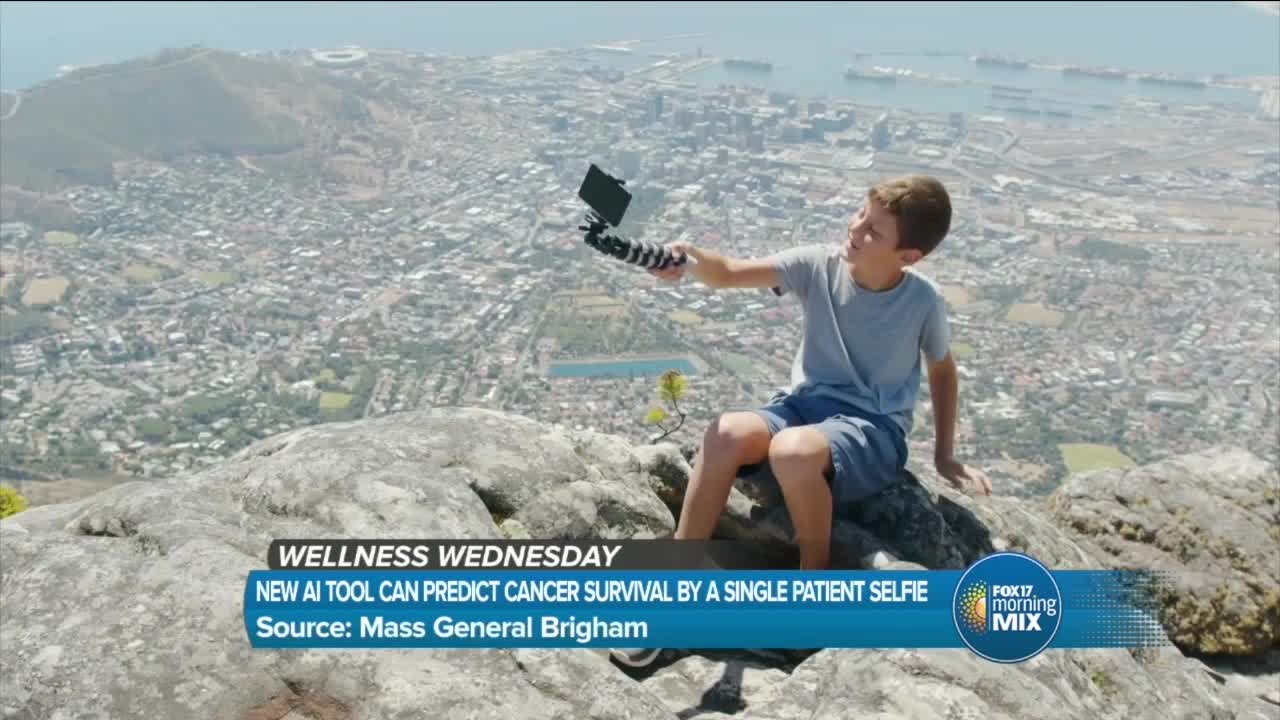
In more AI health news, researchers in Boston have built an artificial intelligence tool that can estimate a cancer patient's chances of survival from a single photo of their face. The team at Mass General Brigham trained the system on over 40 million facial images, and it works by gauging biological age.
In the study, patients who appeared five or more years older than their real age had a 21% higher risk of dying over about four years, while those who looked five years younger had a 17% lower risk. Researchers also found makeup, lighting, and even most cosmetic procedures didn't throw off the results.
The team is clear in that this is meant to support a doctor's judgment, not replace it, and more research is needed before its used widely.
Stress during pregnancy may harm infant brain development
New research suggests that chronic stress during pregnancy may also reach the developing baby's brain. A study published in Molecular Psychiatry found that stress changes how the placenta sends biological signals to the fetus, potentially influencing early brain development.
Stress in pregnancy has already been tied to preterm birth and other complications, but a maternal-fetal psychiatrist behind the research wants to be clear: this isn't about blaming moms for being stressed. Ways to mitigate stress is to help mothers feel validated in taking care of themselves.
Researchers say they're still early in understanding how signals travel and hope to find ways to buffer them down the road.
Follow the FOX 17 Morning Mix on: Facebook, Instagram, & TikTok
