

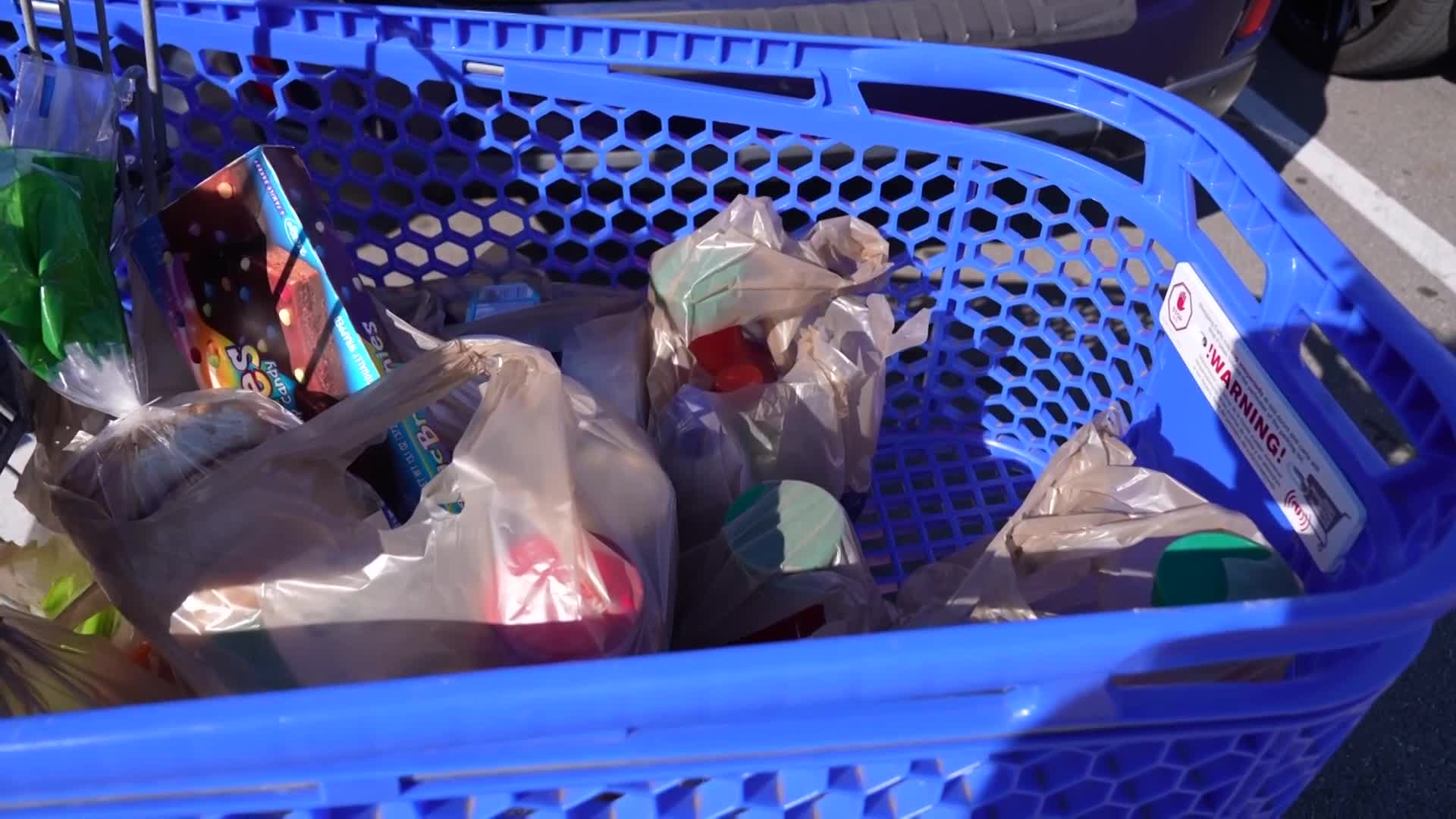


It's not always a higher price tag. Six tactics — from shrinking packages to subscription creep — are draining wallets across America without most shoppers ever noticing.
You scan the receipt. The price looks about the same as last time. But somewhere between the shelf and your cart, you got less — less product, less service, less value. Companies have gotten very good at raising what you pay without raising the number you see.
Consumer experts have identified six specific tactics businesses use to quietly increase profits. Knowing them is the first step to pushing back.
- 6 — Hidden Price-Hike Tactics
- $100 — Extra Per Year
- 336.9 — CPI Index Level
Most price increases don't announce themselves. They arrive in the form of a slightly lighter bag, a hotel room without daily housekeeping, or a streaming bill that crept up two dollars sometime last spring. Consumer experts call these tactics by specific names — shrinkflation, skimpflation, subscription creep — and understanding each one is what separates shoppers who get taken and shoppers who push back.
Kyle James of ConsumerAffairs recently catalogued six distinct methods companies use to quietly raise what consumers pay. The tactics span groceries, services, hotels, and digital subscriptions — meaning almost every American household is exposed to at least two or three of them on a regular basis.
The 6 Hidden Price-Hike Tactics, Explained
- Tactic 1 — Shrinkflation
- Tactic 2 — Skimpflation
- Tactic 3 — Hidden Repackaging
- Tactic 4 — Fake Sales
- Tactic 5 — Convenience Fees
- Tactic 6 — Subscription Creep
Most shoppers are not going to notice if they lower the amount you get in the bag. But they are going to notice if they raise the price even 50 cents or a dollar.Kyle James, ConsumerAffairs
That calculation — raise the price visibly and shoppers revolt; shrink the product quietly and they don't — is the core insight behind shrinkflation. Shopper Sean Noll put it plainly: soap, deodorants, and personal hygiene items are among the categories he sees getting smaller and more expensive at the same time.
But it's not just the grocery aisle. Retail expert Trae Bodge points to food delivery as the single largest hidden-fee category for most American households. The base price of a meal looks familiar. The delivery fee, service fee, and convenience surcharge waiting at checkout do not.
Can You Spot the Hidden Price Hike?
Five real scenarios. How sharp a shopper are you?
Your bag of coffee has a new logo and updated packaging. The price is identical to last month. What should you check first?
- Whether the new bag smells or tastes different — Sensory changes are hard to verify before purchase. The more reliable check is the net weight printed on the package — hidden repackaging often uses a design refresh to mask a reduction in ounces.
- The net weight or number of servings on the label — Exactly right. Consumer experts identify this as a core shrinkflation tactic: a refreshed look distracts shoppers from the fact that they're getting less product than before. Net weight is the number that matters.
- Whether it is on sale this week — Sales are actually another hidden tactic — some retailers advertise items as discounted even when the 'sale' price is close to the product's regular selling price. Sale tags don't tell you whether the package shrank.
- Nothing — same price means same value — Same price is precisely how shrinkflation works. Kyle James of ConsumerAffairs notes that most shoppers won't notice if a company lowers the amount in the bag — that's the entire point of the tactic.
You booked the same hotel chain you stayed at two years ago. The rate is unchanged. When you arrive, what is a sign of skimpflation?
- The lobby has been renovated — A renovation is an improvement, not a hidden cut. Skimpflation moves in the other direction — same price, reduced experience.
- Daily housekeeping is no longer automatic — Correct. Hotels are specifically cited as a skimpflation example — reduced housekeeping and other amenities while room rates stay largely unchanged. You're paying the same, getting less.
- Breakfast prices increased by $4 — A visible price increase is a standard price hike, not skimpflation. Skimpflation is defined by keeping the price the same while delivering a lower-quality experience.
- The hotel added a new gym — Adding amenities is the opposite of skimpflation. The tactic specifically involves cutting services or staff while maintaining the same price point.
A streaming service you pay for sends an email: 'We're updating our plan to bring you even more.' Your bill goes up $2 next month. How much could that cost you over a year if three services do the same?
- About $6 — barely noticeable — That's the monthly math, but the annual picture is different. Three services each raising $2 per month adds $72 per year — and Kyle James warns that across all your subscriptions, the total can easily reach $50, $60, or $100 extra annually.
- Up to $72 or more per year — Right. ConsumerAffairs' Kyle James describes subscription creep this way: 'Before you know it, you're paying another $50, $60, $100 a year' — specifically because each individual increase is small enough to ignore.
- Nothing — most services refund new fees — Subscription services are not required to refund price increases. The tactic works because the increases are small and infrequent enough that most subscribers don't cancel or even notice.
- It depends on the service's cancellation terms — Cancellation terms don't change how much you've already spent. The core issue is that dollar-or-two increases accumulate silently — the question you need to ask is whether you're still using the service enough to justify the new price.
A grocery item is tagged 'SALE — Was $4.99, Now $4.49.' Before you put it in your cart, what does Kyle James of ConsumerAffairs recommend you verify?
- Whether you have a loyalty card to unlock the discount — Loyalty pricing is a separate system. The hidden-price-hike concern James raises is simpler: some retailers advertise items as discounted even when the 'sale' price is close to or the same as the product's regular selling price.
- Whether $4.49 is actually close to the item's normal everyday price — Exactly what experts recommend. Some retailers use permanent or near-permanent 'sale' tags where the discount is minimal or manufactured. The question to ask yourself: would you still buy it at this price if the sale tag weren't there?
- Whether a competing brand is cheaper — Comparison shopping is always smart, but it doesn't directly address the fake-sale tactic. The specific warning from ConsumerAffairs is about the 'sale' price being close to or identical to the product's actual regular price at that same retailer.
- Whether the expiration date is soon — Expiration dates matter for perishables, but they're unrelated to the fake-sale tactic. The issue is that the 'was' price may have been artificially set high to make the 'now' price look like a bargain.
Which of the five questions consumer experts say you should ask before buying would catch the most hidden price hikes in a single check?
- Is this brand on my preferred list? — Brand preference doesn't protect you from shrinkflation, skimpflation, or hidden repackaging — in fact, brand loyalty is part of what makes those tactics effective.
- What is the final cost after all fees? — This is one of the five questions experts specifically recommend. It directly catches convenience fees — the hidden delivery charges and service surcharges that Trae Bodge identifies as the biggest hidden-fee category for American households.
- Did I buy this last month? — Purchase history alone won't surface a hidden price hike — the whole point of tactics like shrinkflation and skimpflation is that the product or service looks identical to what you bought before.
- Is there a coupon available? — Coupons can help with the final price but don't reveal whether a package shrank, a service was cut, or a 'sale' is real. Consumer experts recommend checking unit price, package size, service quality, total fees, and whether you'd buy without the sale tag.
Food is the biggest one with delivery fees and extra fees just for the convenience of takeout or pre-prepared meals. Try to get into the habit of doing these things less or rather than having something delivered, at the very least, go and pick it up.Trae Bodge, retail expert
The cumulative effect of these six tactics is what makes them powerful. Any one of them in isolation might cost a household a few dollars a year. All six operating simultaneously — across groceries, hotels, food delivery, and streaming — can quietly drain hundreds of dollars annually from a budget that looks unchanged on paper.
With the national unemployment rate at 4.2% and consumer prices at historic index levels, the gap between what people earn and what their money actually buys has become one of the defining financial pressures in American households right now.
Tactic vs. What to Check
| Tactic | How Companies Hide It | What to Check | |
|---|---|---|---|
| Shrinkflation | Smaller package, same price | Package looks unchanged | Net weight or serving count on label |
| Skimpflation | Same price, reduced service | Service cuts feel like policy, not price hike | Compare service level to what you got before |
| Hidden Repackaging | New look masks size cut | Refreshed design distracts from quantity loss | Unit price (price per ounce or serving) |
| Fake Sales | Perpetual 'discount' that isn't | Sale tag signals savings that may not exist | Would you buy it without the sale label? |
| Convenience Fees | Fees added at checkout | Base price looks normal; total does not | Final cost after all fees before confirming |
| Subscription Creep | $1–$2 increase per service | Small enough to miss, large enough to add up | Review all subscriptions quarterly |
Consumer experts point to five specific questions that can intercept most hidden price hikes before they reach your wallet: Did the package size change? What is the unit price? Is the quality or service still the same as before? What is the final cost after all fees? Would you still buy this product if it weren't advertised as a sale?
These aren't complicated checks — they take seconds. But they require the habit of actually asking them, which is exactly what companies designing these tactics count on most shoppers not doing.
5 Questions to Ask Before Every Purchase
- Did the package size change? — Compare the net weight or serving count on the current package to what you remember — or look it up. Chips, cereal, coffee, and pet food are among the most common shrinkflation categories.
- What is the unit price? — Most grocery store shelf tags show a price per ounce or per unit alongside the total price. This is your single most useful number for catching shrinkflation and hidden repackaging.
- Is the quality or service still the same? — If a hotel, restaurant, or service provider has cut staff, reduced amenities, or changed what's included, the price you're paying is effectively higher than it was — even if the number hasn't moved.
- What is the final cost after all fees? — Food delivery and grocery delivery services stack delivery fees, service fees, and convenience surcharges. Retail expert Trae Bodge recommends picking up orders in person when possible to avoid these charges entirely.
- Would you buy it without the sale tag? — Some retailers advertise near-permanent 'sales' where the discount is minimal or manufactured. If the answer is no, the sale is doing all the work — not the value.
Who's Behind This Research?
The six tactics in this story were catalogued by Kyle James of ConsumerAffairs, a consumer research and reviews organization. James compiled the list to help shoppers recognize price-increase methods that don't show up as a changed number on the shelf tag.
Retail expert Trae Bodge, who covers consumer spending trends, contributed the analysis of convenience fees and food delivery costs. Shopper Sean Noll's observations about personal hygiene products are drawn from street-level reporting. This story is part of the 'Don't Waste Your Money' franchise produced by John Matarese for Scripps News.
Your Hidden Price-Hike Survival Checklist
- Check net weight, not just shelf price: Shrinkflation hides in ounces and servings, not dollar amounts. The unit price label on the shelf is your fastest defense.
- Audit your subscriptions every quarter: Set a recurring reminder to review every subscription. Dollar-or-two increases across multiple services can add $50–$100 to your annual spending before you notice.
- Pick up instead of delivering when possible: Trae Bodge specifically recommends skipping delivery fees by picking up food orders in person. The base price of a meal and the checkout total after fees can be dramatically different.
- Question every 'sale' tag: Ask whether you would still buy the item at the posted 'sale' price if the sale label weren't there. If the answer is no, the discount may be more marketing than savings.
